
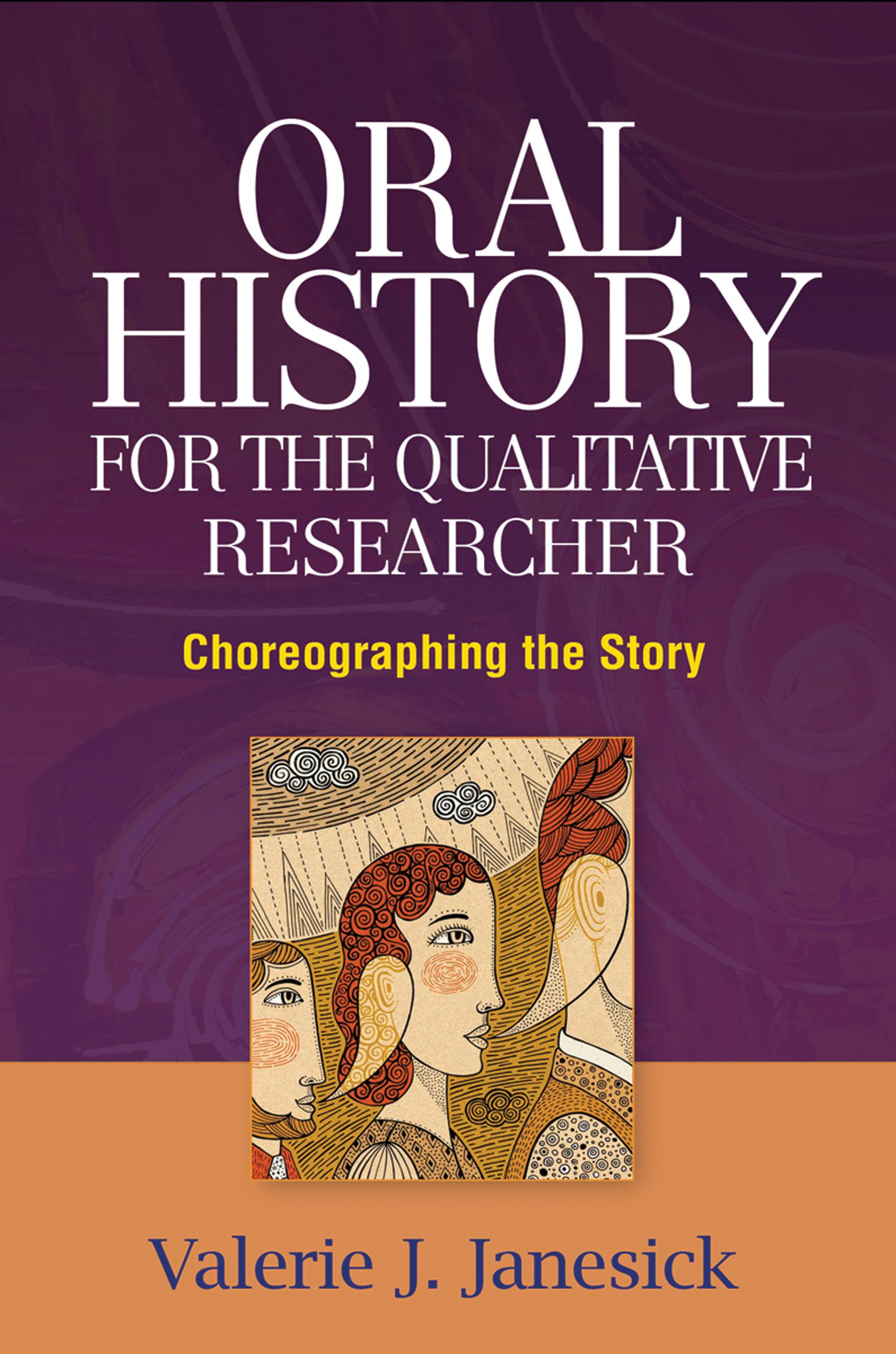
Oral history is a particularly useful way to capture ordinary people's lived experiences. This innovative book introduces the full array of oral history research methods and invites students and qualitative researchers to try them out in their own work. Using choreography as an organizing metaphor, the author presents creative strategies for collecting, representing, analyzing, and interpreting oral history data. Instructive exercises and activities help readers develop specific skills, such as nonparticipant observation, interviewing, and writing, with a special section on creating found data poems from interview transcripts. Also covered are uses of journals, court transcripts, and other documents; Internet resources, such as social networking sites; and photography and video. Emphasizing a social justice perspective, the book includes excerpts of oral histories from 9/11 and Hurricane Katrina, among other detailed case examples.
Betaal eenvoudig met kaart, Klarna, Apple Pay of Google Pay. Niet tevreden? Je hebt altijd 14 dagen bedenktijd. Lees meer in onze voorwaarden. Heb je vragen, mail ons dan via hello@memmo.org.
Memmo maakt studeren makkelijker – waar je ook bent ter wereld. Wij brengen je cursusboeken en slimme studietools samen op één plek: samenvattingen, quizzen, podcasts en flashcards. En Ted, je studievriend die antwoord geeft op alles wat je je afvraagt. Meer dan 50.000 studenten studeren hier al – gebouwd om je sneller te laten leren en minder stress te geven.