
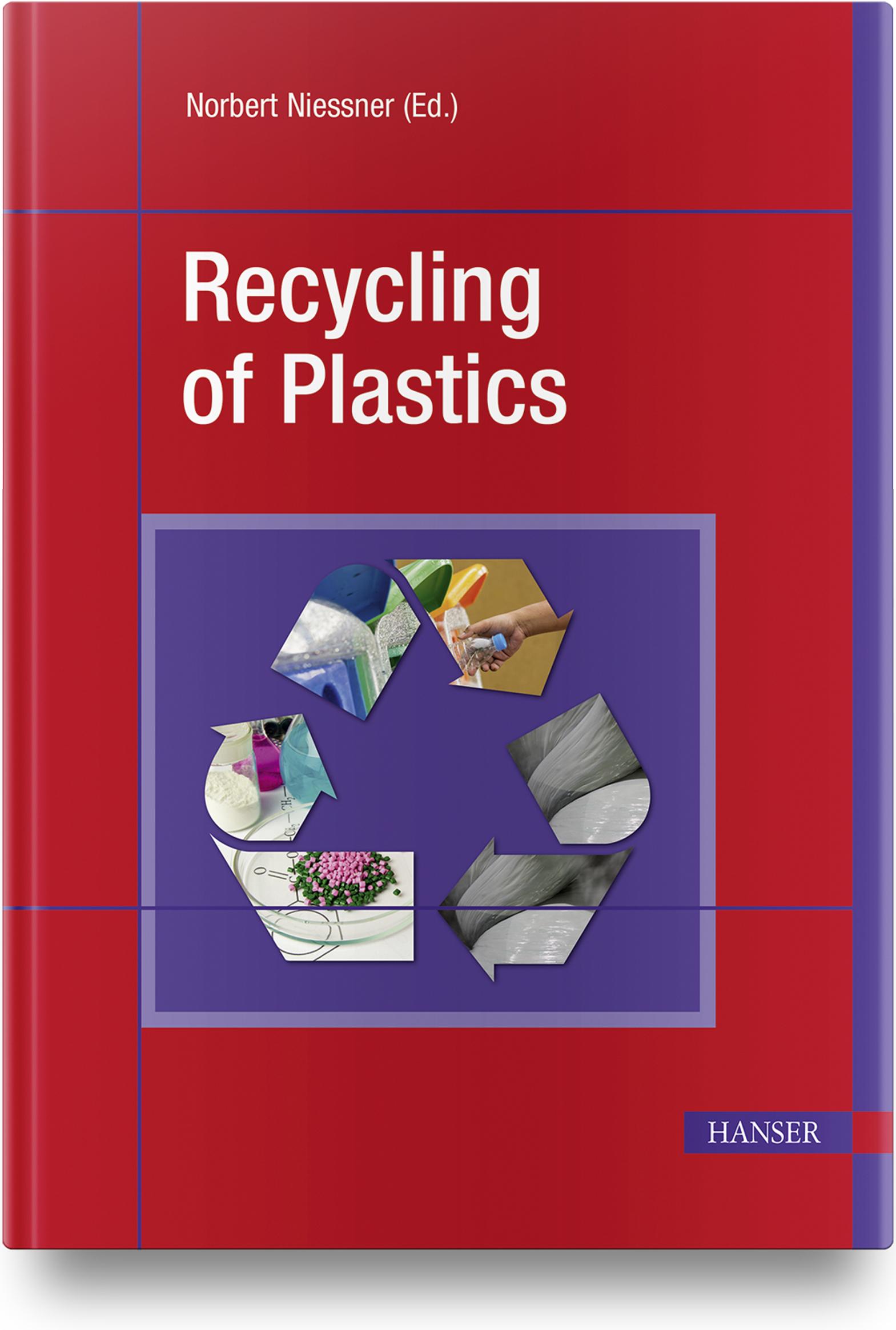
Plastics have a very important role to play in energy-efficient and low-carbon technologies of the present and future, but for them to be classified as sustainable materials, there is a great need for practical and economic recycling methods and infrastructure. This book fills the gap for a modern comprehensive technical guide to recycling of plastics, covering the whole value chain from raw materials to recycled materials.
All important recycling technologies (mechanical, chemical/feedstock, dissolution) are discussed and compared to each other and alternative disposal methods such as energy recovery and gasification. Collecting, sorting, and purification methods are also covered, as are economic, legal, and political aspects.
A strong emphasis is placed on data comparability, e.g. by standardized methods in measuring data. Although this is a challenge to implement, comparing data across technologies, regions, and stakeholders along the value chain yields important benefits. Key instruments for such a target are lifecycle assessments (LCAs), which are calculated in a standard way across the chapters to “calibrate“ the messages among the numerous expert co-authors.
Betaal eenvoudig met kaart, Klarna, Apple Pay of Google Pay. Niet tevreden? Je hebt altijd 14 dagen bedenktijd. Lees meer in onze voorwaarden. Heb je vragen, mail ons dan via hello@memmo.org.
Memmo maakt studeren makkelijker – waar je ook bent ter wereld. Wij brengen je cursusboeken en slimme studietools samen op één plek: samenvattingen, quizzen, podcasts en flashcards. En Ted, je studievriend die antwoord geeft op alles wat je je afvraagt. Meer dan 50.000 studenten studeren hier al – gebouwd om je sneller te laten leren en minder stress te geven.