
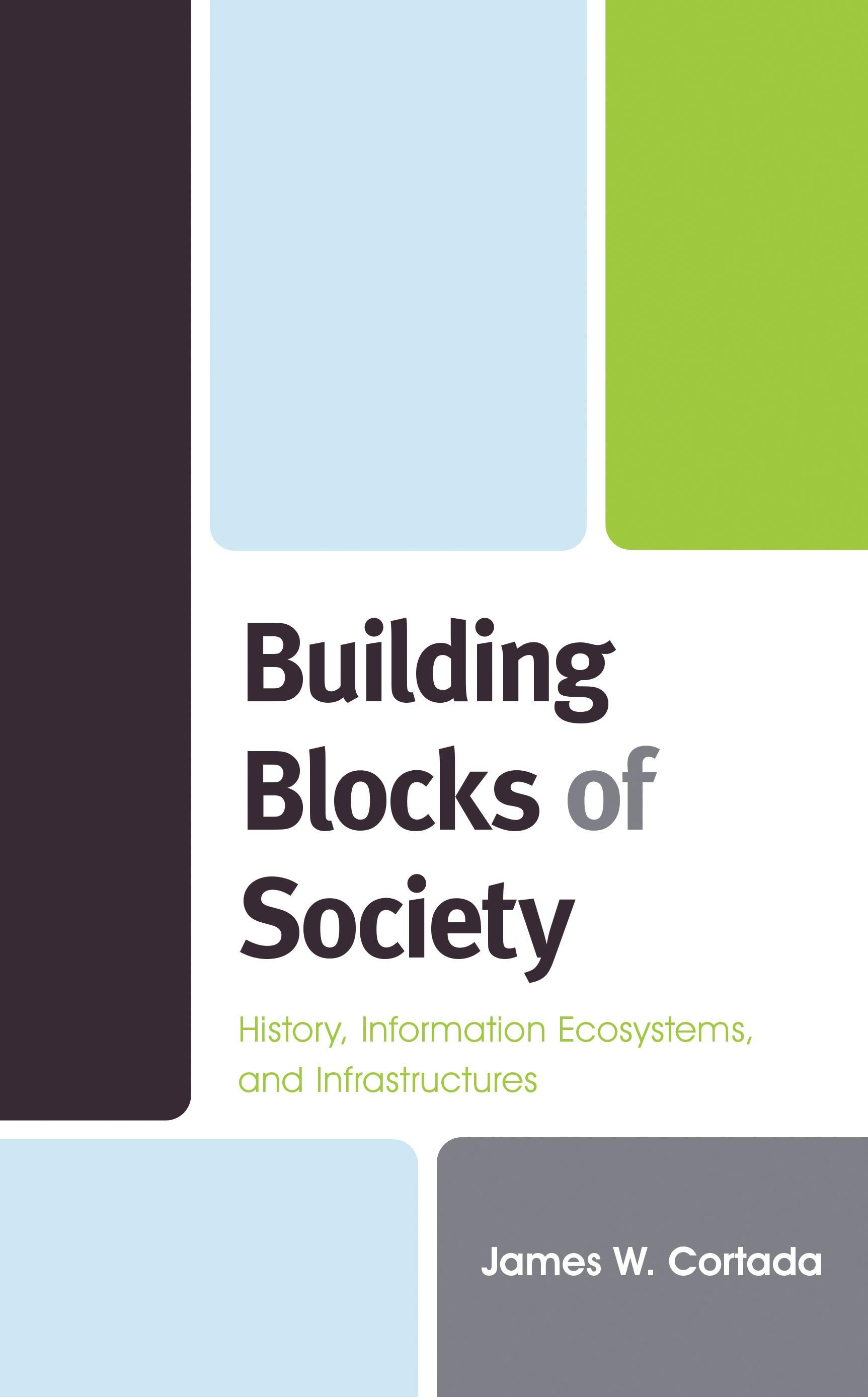
The history of information is a rapidly emerging new subfield of history. Historians are identifying the issues they need to examine, crafting novel research agendas, and locating research materials relevant to their work. Like the larger world around them, historians are discovering what it means to live and work in a world that increasingly sees itself as an information society. Long a discussion point among sociologists, economists, political leaders, and media experts, historians are integrating their methods and research into the larger conversation.
This book proposes a way to look at the history of information and to history as a whole that is simultaneously relevant to observers in other disciplines and familiar to historians of business, economics, sociology and technology. The author presents that advocacy in two ways: with theoretical and historiographical discussions of what information ecosystems and infrastructures are and their value for this kind of research, second, through a range of case studies applying those concepts. The wide range of case studies is purposeful in demonstrating the applicability of the ideas presented in the early methodological chapters. Themes mentioned in each of the early chapters are consistently applied in all subsequent chapters.
This book breaks from the more traditional historiography of book history, sociological and philosophical discussions about knowledge and society. The first two chapters focus on the craft of the historian in this new field, better known as historiography and methods. Subsequent chapters are case studies, showing what results when a historian writes about ecosystems and infrastructures, moving our discussion from theory to practice. The book is an important and substantive contribution to this new subfield, an essential primer, as well as a major statement for all historians on how next to evolve their craft.
This book proposes a way to look at the history of information and to history as a whole that is simultaneously relevant to observers in other disciplines and familiar to historians of business, economics, sociology and technology. The author presents that advocacy in two ways: with theoretical and historiographical discussions of what information ecosystems and infrastructures are and their value for this kind of research, second, through a range of case studies applying those concepts. The wide range of case studies is purposeful in demonstrating the applicability of the ideas presented in the early methodological chapters. Themes mentioned in each of the early chapters are consistently applied in all subsequent chapters.
This book breaks from the more traditional historiography of book history, sociological and philosophical discussions about knowledge and society. The first two chapters focus on the craft of the historian in this new field, better known as historiography and methods. Subsequent chapters are case studies, showing what results when a historian writes about ecosystems and infrastructures, moving our discussion from theory to practice. The book is an important and substantive contribution to this new subfield, an essential primer, as well as a major statement for all historians on how next to evolve their craft.
Pagina's: 332
Categorie: Sociologi
e-ISBN: 9781538148556
Verzendgewicht: 1.2 kg
Verzending binnen: 1-2 dagen
Betaal eenvoudig met kaart, Klarna, Apple Pay of Google Pay. Niet tevreden? Je hebt altijd 14 dagen bedenktijd. Lees meer in onze voorwaarden. Heb je vragen, mail ons dan via hello@memmo.org.
Memmo maakt studeren makkelijker – waar je ook bent ter wereld. Wij brengen je cursusboeken en slimme studietools samen op één plek: samenvattingen, quizzen, podcasts en flashcards. En Ted, je studievriend die antwoord geeft op alles wat je je afvraagt. Meer dan 50.000 studenten studeren hier al – gebouwd om je sneller te laten leren en minder stress te geven.