
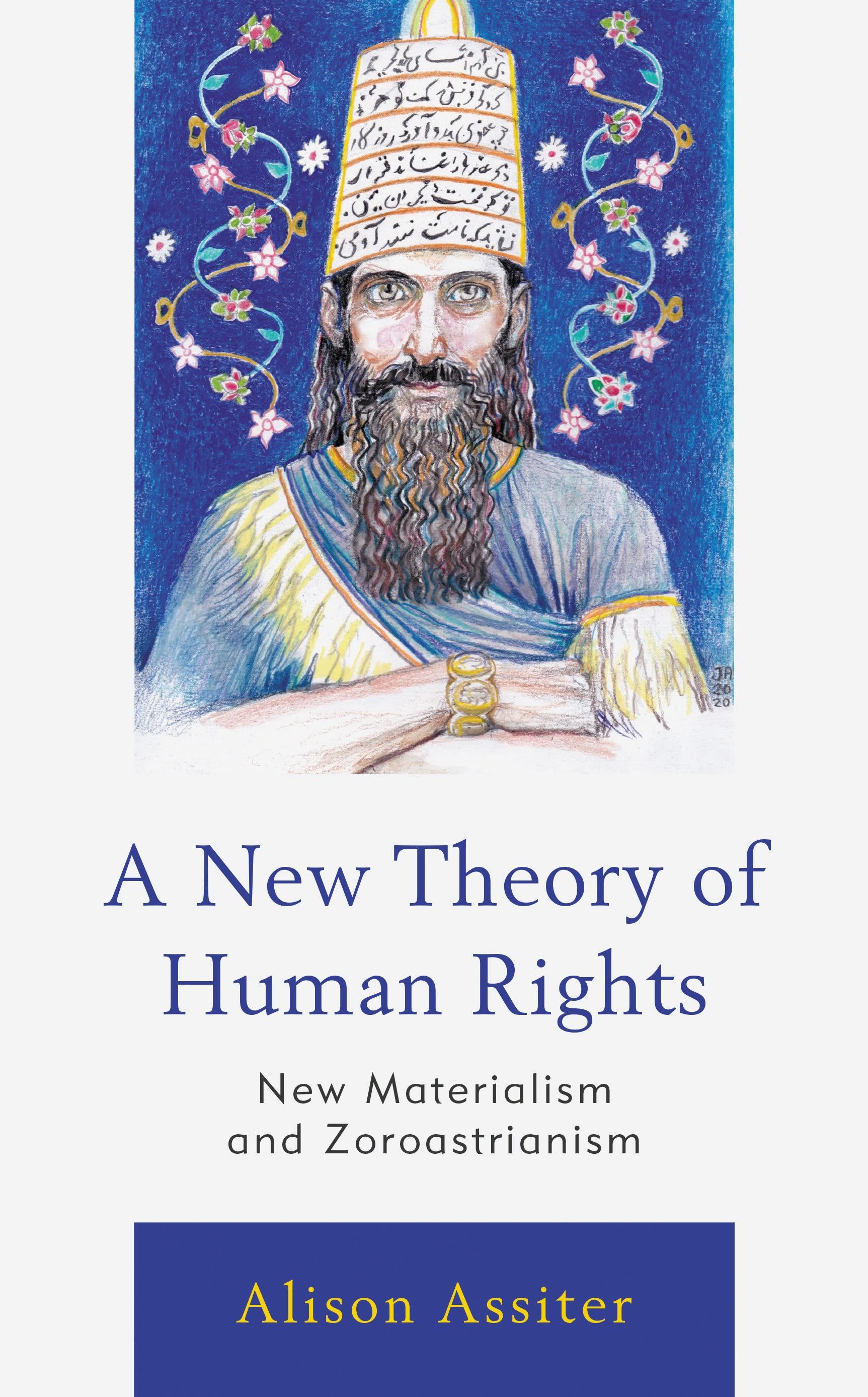
This book offers a new materialist thesis that focuses on the dynamic biological core of humans, shared with other animals and the rest of the natural world, to develop a radical theory of human rights. It therefore makes a unique contribution to literature and to academic and societal debates both on new materialisms and on human rights.
Many on the political far right deride the concept of a human right. This has occurred in tandem with a growing contempt for the rule of law and for obligations to protect land or the environment, to recognize the rights of minorities, or even to respect the various mechanisms of democracy. On the other hand, ccontemporary ‘left-wing’ inspired literature has also rejected the concept of a human right as Enlightenment inspired and 'western’. This has gone hand in hand with a contestation of ‘essentialism’ and ‘universalism'. These theoretical positions have been variously critiqued as racist, sexist as well as Eurocentric.
Drawing on metaphysics and ethics, with protagonists drawn from traditions across analytic and continental philosophy and feminist theory, Assiter challenges these critics to form a distinctive new materialist position. Most people – defenders and critics - take for granted that the concept of human rights and the universal view of humanity derive from the European Enlightenment. However, this bookdevelops a different story of its origin, from the earlier period of both Aristotle and the Zoroastrian Persian Empire, and locates the concept of a right partly in our biological core, yet challenges the assumption that this is constructed by language of any kind specifically including scientific discourse.
Many on the political far right deride the concept of a human right. This has occurred in tandem with a growing contempt for the rule of law and for obligations to protect land or the environment, to recognize the rights of minorities, or even to respect the various mechanisms of democracy. On the other hand, ccontemporary ‘left-wing’ inspired literature has also rejected the concept of a human right as Enlightenment inspired and 'western’. This has gone hand in hand with a contestation of ‘essentialism’ and ‘universalism'. These theoretical positions have been variously critiqued as racist, sexist as well as Eurocentric.
Drawing on metaphysics and ethics, with protagonists drawn from traditions across analytic and continental philosophy and feminist theory, Assiter challenges these critics to form a distinctive new materialist position. Most people – defenders and critics - take for granted that the concept of human rights and the universal view of humanity derive from the European Enlightenment. However, this bookdevelops a different story of its origin, from the earlier period of both Aristotle and the Zoroastrian Persian Empire, and locates the concept of a right partly in our biological core, yet challenges the assumption that this is constructed by language of any kind specifically including scientific discourse.
Pagina's: 192
Categorie: Filosofi
e-ISBN: 9781538146309
Verzendgewicht: 1.2 kg
Verzending binnen: 1-2 dagen
Betaal eenvoudig met kaart, Klarna, Apple Pay of Google Pay. Niet tevreden? Je hebt altijd 14 dagen bedenktijd. Lees meer in onze voorwaarden. Heb je vragen, mail ons dan via hello@memmo.org.
Memmo maakt studeren makkelijker – waar je ook bent ter wereld. Wij brengen je cursusboeken en slimme studietools samen op één plek: samenvattingen, quizzen, podcasts en flashcards. En Ted, je studievriend die antwoord geeft op alles wat je je afvraagt. Meer dan 50.000 studenten studeren hier al – gebouwd om je sneller te laten leren en minder stress te geven.