
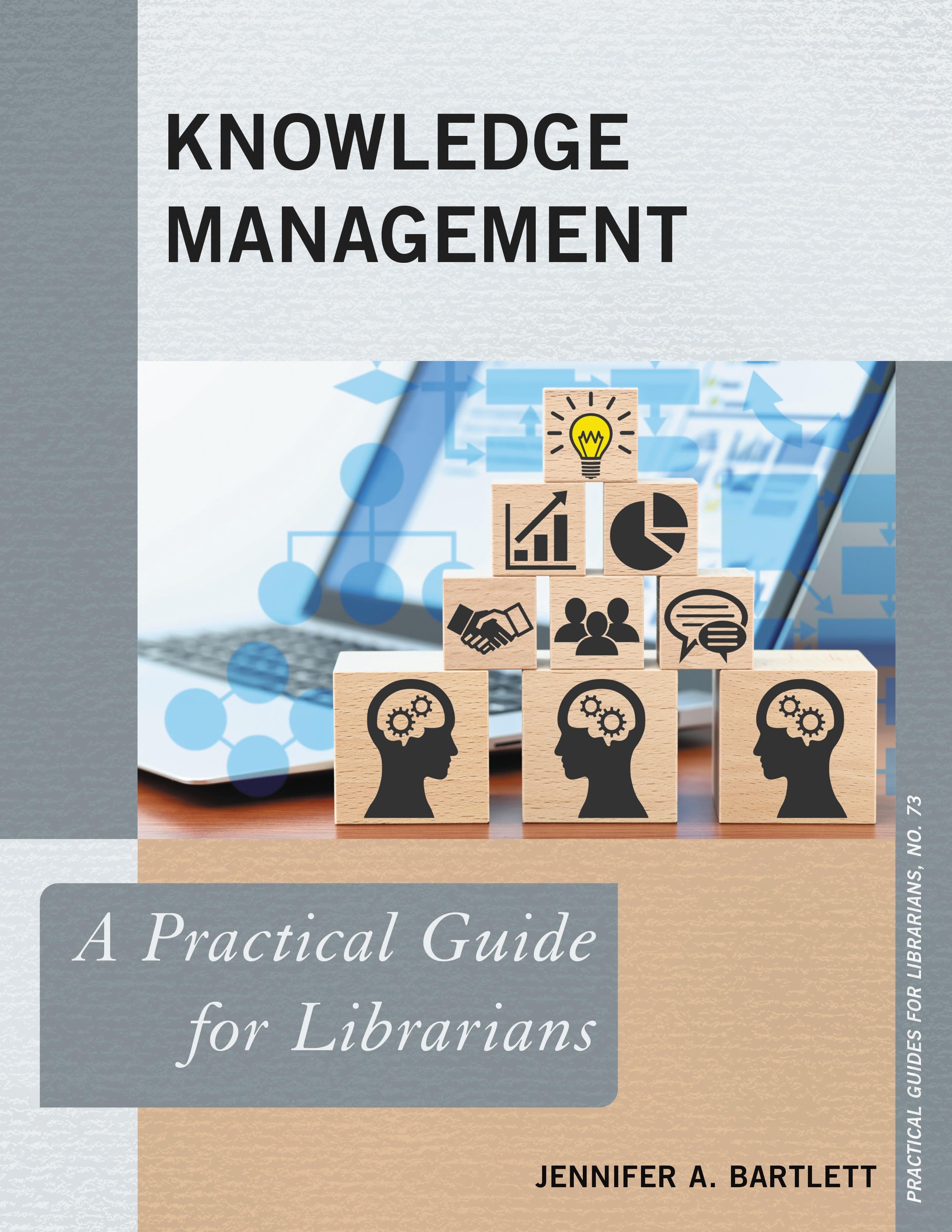
While librarians and information professionals are experts at providing resources to users, managing their own internal working knowledge and information can be a challenge. As information environments continue to become more complex, librarians and other information professionals must build on the existing expertise and skills within their organizations to keep them relevant to the information needs of their patrons and communities. Knowledge management (KM) is an intentional set of strategies intended to capture, preserve, and use human knowledge from employees to further the goals of an organization. Knowledge Management: A Practical Guide for Librarians will help librarians recognize, organize, communicate, and leverage both the tacit and explicit knowledge already in their organizations for the benefit of themselves and their users. Topics covered include:
Why knowledge management is important in libraries and information organizationsThe knowledge management lifecycle: capturing, organizing, storing, sharing, and updating knowledgeCapturing tacit and explicit knowledge and getting staff buy-inTools and methods for recording and developing organizational information flowFacilitating the transfer of organizational knowledge and expertisePromoting knowledge innovation and learning
Knowledge Management is intended to help individual librarians and library managers in all library settings (academic, public, school, special, etc.) to think critically about their existing knowledge management environments with an eye toward improving existing procedures or implementing a KM program. This guide will provide readers with basic background information and useful, targeted exercises and examples to help them develop knowledge management programs in their own organizations.
Why knowledge management is important in libraries and information organizationsThe knowledge management lifecycle: capturing, organizing, storing, sharing, and updating knowledgeCapturing tacit and explicit knowledge and getting staff buy-inTools and methods for recording and developing organizational information flowFacilitating the transfer of organizational knowledge and expertisePromoting knowledge innovation and learning
Knowledge Management is intended to help individual librarians and library managers in all library settings (academic, public, school, special, etc.) to think critically about their existing knowledge management environments with an eye toward improving existing procedures or implementing a KM program. This guide will provide readers with basic background information and useful, targeted exercises and examples to help them develop knowledge management programs in their own organizations.
Betaal eenvoudig met kaart, Klarna, Apple Pay of Google Pay. Niet tevreden? Je hebt altijd 14 dagen bedenktijd. Lees meer in onze voorwaarden. Heb je vragen, mail ons dan via hello@memmo.org.
Memmo maakt studeren makkelijker – waar je ook bent ter wereld. Wij brengen je cursusboeken en slimme studietools samen op één plek: samenvattingen, quizzen, podcasts en flashcards. En Ted, je studievriend die antwoord geeft op alles wat je je afvraagt. Meer dan 50.000 studenten studeren hier al – gebouwd om je sneller te laten leren en minder stress te geven.