
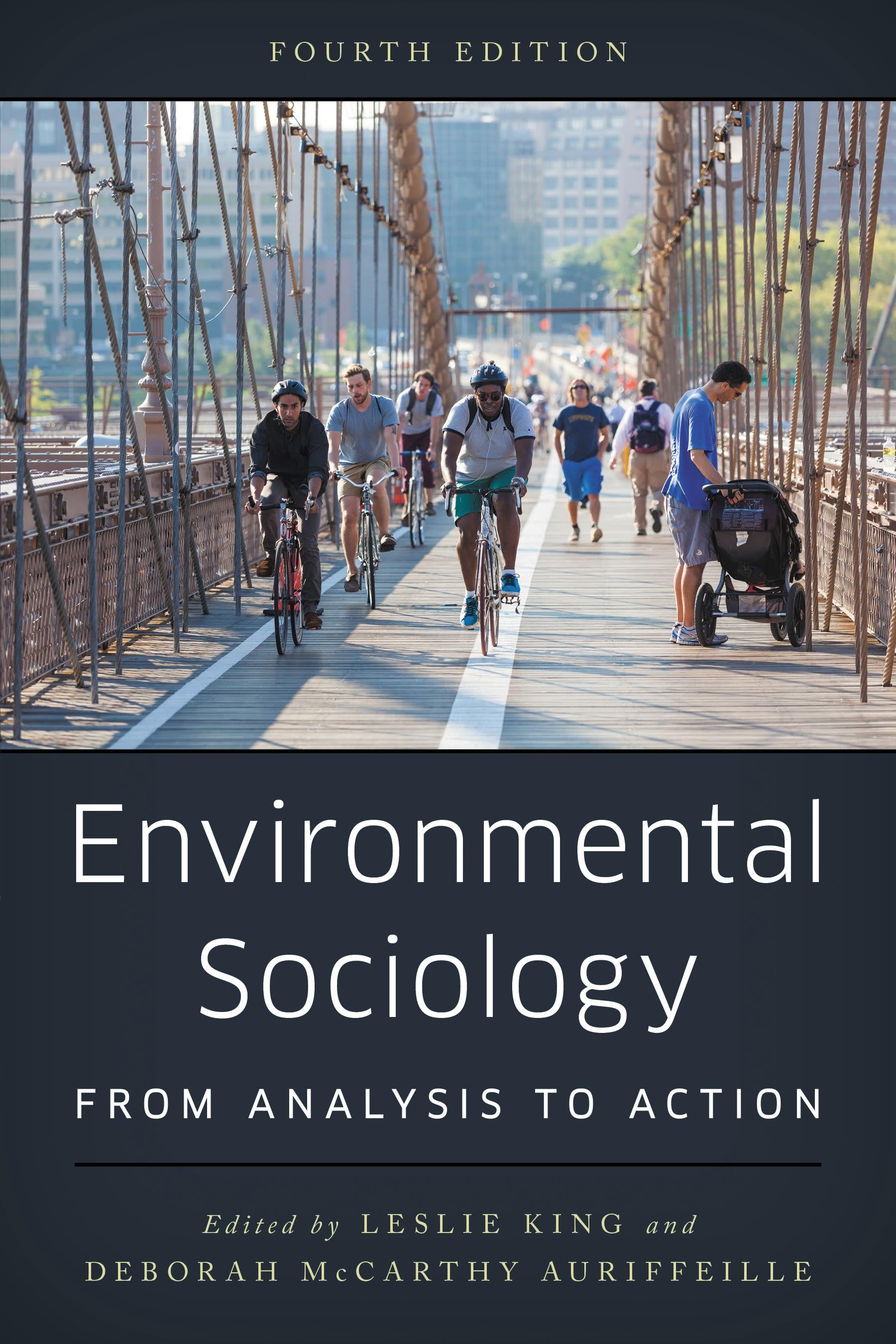
Environmental Sociology: From Analysis to Action illustrates how sociological perspectives can help us better understand the causes and consequences of environmental problems and provides examples of efforts to ameliorate these problems. The fourth edition of this environmental sociology reader includes 22 edited excerpts (10 of them new to this edition) that address, among other things, environmental inequalities, knowledge creation, media, and perspectives on disaster. The selected pieces use a variety of sociological perspectives, including environmental justice, power structure research, ecological modernization, ecological footprint, and more, to examine a wide range of environment-related topics.
New Readings Include:
Chapter 7. The Du Bois Nexus: Intersectionality, Political Economy, and Environmental Injustice in the Peruvian Guano Trade in the 1800s.
Brett Clark, Daniel Auerbach and Karen Xuan Zhang
Chapter 8. Ruin’s Progeny: Race, Environment, and Appalachia’s Coal Camp Blacks.
Karia L. Brown, Michael W. Murphy and Appollonya M. Porcelli
Chapter 9. Environmental Apartheid: Eco-health and Rural Marginalization in South Africa
Valerie Stull, Michael M. Bell and Mpumelelo Ncwadi
Chapter 12. Legitimating the Environmental Injustices of War: Toxic Exposures and Media Silence in Iraq and Afghanistan.
Eric Bonds
Chapter 15. Left to Chance: Hurricane Katrina and the Story of Two New Orleans Neighborhoods
Stever Kroll-Smith, Vern Baxter and Pam Jenkins
Chapter 17. Environmental Threats and Political Opportunities: Citizen Activism in the North Bohemian Coal Basin
Thomas E. Shriver, Alison E. Adams, and Stefano B. Longo
Chapter 19. Ontologies of Sustainability in Ecovillage Culture: Integrating Ecology, Economics, Community, and Consciousness
Karen Liftin
Chapter 20. Plans for pavement or for people? The Politics of Bike Lanes on the ‘Paseo Boricua’ in Chicago, Illinois
Amy Lubitow, Bryan Zinschlag, and Nathan Rochester
Chapter 21. Campus Alternative Food Projects and Food Service Realities: Alternative Strategies
Peggy F. Barlett
Chapter 22. From the New Ecological Paradigm to Total Liberation: The Emergence of a Social Movement Frame
David N. Pellow and Hollie Nyseth Brehm
New Readings Include:
Chapter 7. The Du Bois Nexus: Intersectionality, Political Economy, and Environmental Injustice in the Peruvian Guano Trade in the 1800s.
Brett Clark, Daniel Auerbach and Karen Xuan Zhang
Chapter 8. Ruin’s Progeny: Race, Environment, and Appalachia’s Coal Camp Blacks.
Karia L. Brown, Michael W. Murphy and Appollonya M. Porcelli
Chapter 9. Environmental Apartheid: Eco-health and Rural Marginalization in South Africa
Valerie Stull, Michael M. Bell and Mpumelelo Ncwadi
Chapter 12. Legitimating the Environmental Injustices of War: Toxic Exposures and Media Silence in Iraq and Afghanistan.
Eric Bonds
Chapter 15. Left to Chance: Hurricane Katrina and the Story of Two New Orleans Neighborhoods
Stever Kroll-Smith, Vern Baxter and Pam Jenkins
Chapter 17. Environmental Threats and Political Opportunities: Citizen Activism in the North Bohemian Coal Basin
Thomas E. Shriver, Alison E. Adams, and Stefano B. Longo
Chapter 19. Ontologies of Sustainability in Ecovillage Culture: Integrating Ecology, Economics, Community, and Consciousness
Karen Liftin
Chapter 20. Plans for pavement or for people? The Politics of Bike Lanes on the ‘Paseo Boricua’ in Chicago, Illinois
Amy Lubitow, Bryan Zinschlag, and Nathan Rochester
Chapter 21. Campus Alternative Food Projects and Food Service Realities: Alternative Strategies
Peggy F. Barlett
Chapter 22. From the New Ecological Paradigm to Total Liberation: The Emergence of a Social Movement Frame
David N. Pellow and Hollie Nyseth Brehm
Betaal eenvoudig met kaart, Klarna, Apple Pay of Google Pay. Niet tevreden? Je hebt altijd 14 dagen bedenktijd. Lees meer in onze voorwaarden. Heb je vragen, mail ons dan via hello@memmo.org.
Memmo maakt studeren makkelijker – waar je ook bent ter wereld. Wij brengen je cursusboeken en slimme studietools samen op één plek: samenvattingen, quizzen, podcasts en flashcards. En Ted, je studievriend die antwoord geeft op alles wat je je afvraagt. Meer dan 50.000 studenten studeren hier al – gebouwd om je sneller te laten leren en minder stress te geven.