
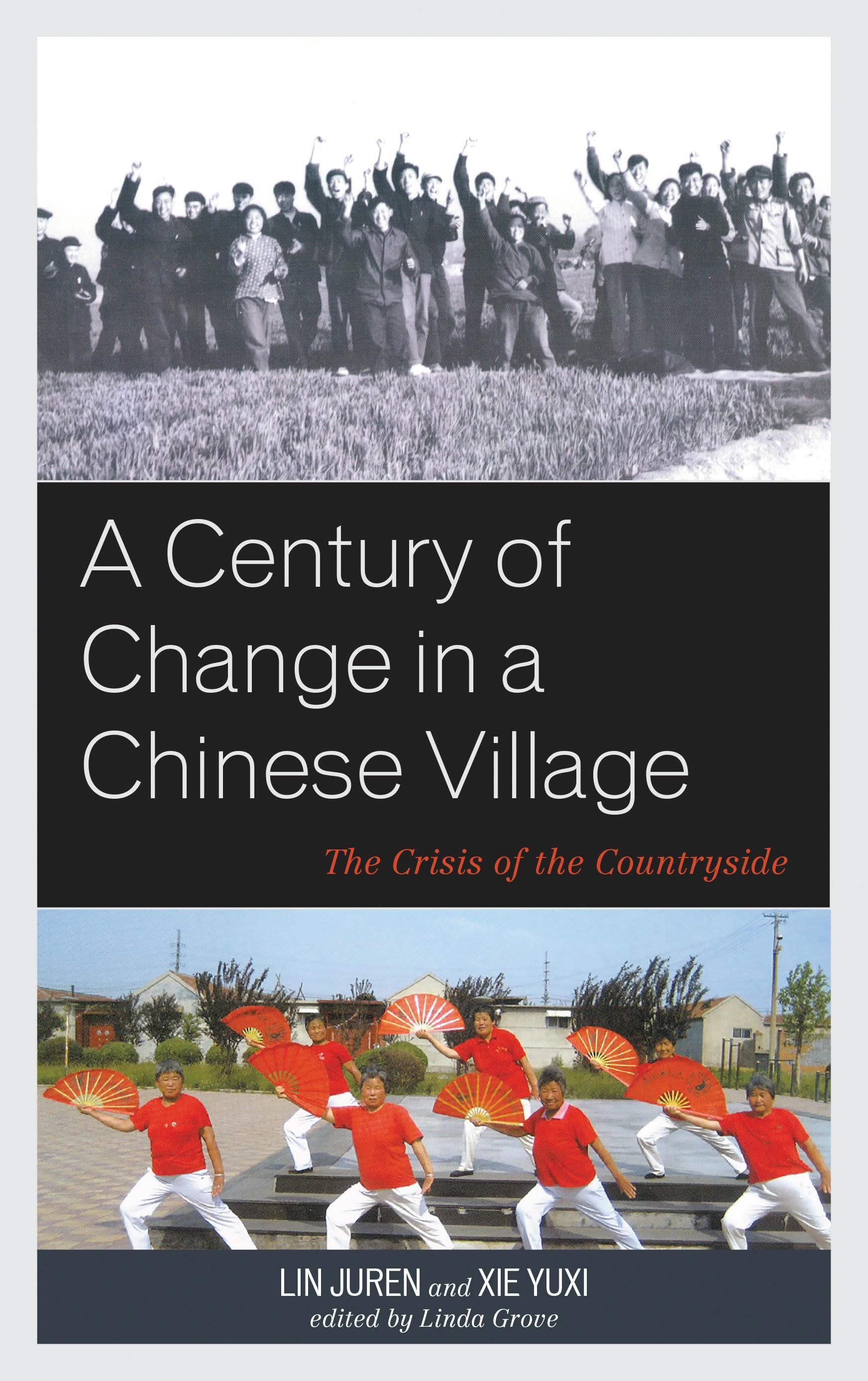
Over the last half century, China has evolved from a poor rural country to a geopolitical powerhouse. Rapid urbanization has been at the heart of that transformation, and as migrant laborers have left their villages, what has become of the rural communities that were once the center of economic, social, and cultural life? And how do contemporary Chinese scholars understand those changes? These are the questions that this compelling book answers. Lengshuigou village, located near the Shandong provincial capital of Jinan, was first studied by Japanese social scientists in the early 1940s and then again in the 1980s and 1990s. Building on these rich surveys, this book traces changes from the early twentieth century to the present day in family and lineage, social stratification, personal networks, annual and life cycle rituals, village politics, and elite formation. Drawing on their own large-scale survey of contemporary village households, the authors analyze the physical and institutional changes that have altered the community, as well as the shifts in interpersonal relations and attitudes that have upended centuries-old systems of patriarchy and generational order. This important book presents, for the first time in English, analysis by Chinese sociologists on the radical transformation of Chinese rural society.
Betaal eenvoudig met kaart, Klarna, Apple Pay of Google Pay. Niet tevreden? Je hebt altijd 14 dagen bedenktijd. Lees meer in onze voorwaarden. Heb je vragen, mail ons dan via hello@memmo.org.
Memmo maakt studeren makkelijker – waar je ook bent ter wereld. Wij brengen je cursusboeken en slimme studietools samen op één plek: samenvattingen, quizzen, podcasts en flashcards. En Ted, je studievriend die antwoord geeft op alles wat je je afvraagt. Meer dan 50.000 studenten studeren hier al – gebouwd om je sneller te laten leren en minder stress te geven.