
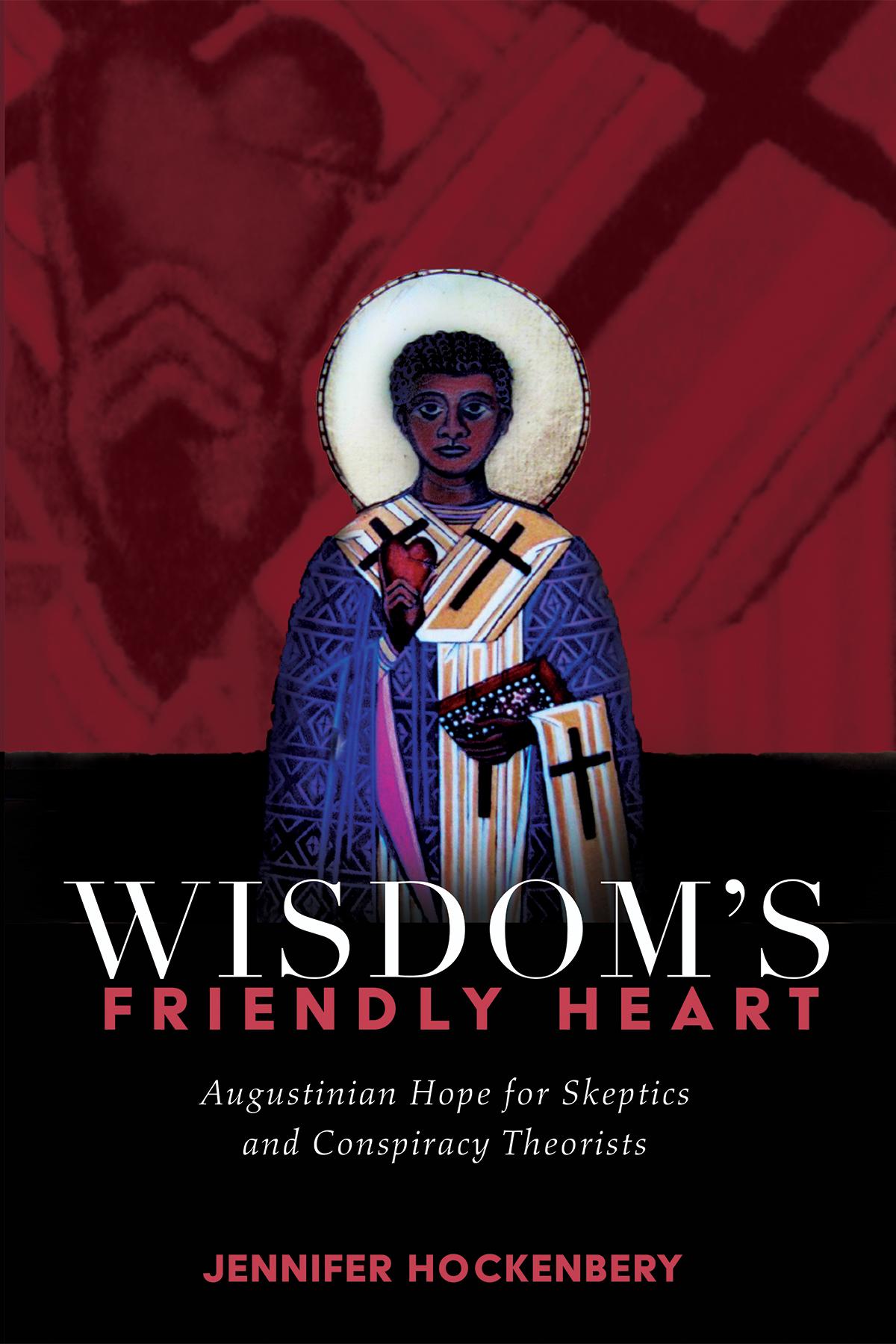
Sixteen-hundred years ago, Augustine begged his African congregants to think rationally, pay attention to evidence, and listen to their neighbors. He knew this would not be easy. He knew that human error is more common than human knowledge. He himself had been a member of an elitist cult for nearly ten years and then had spent several years as a skeptic resigned to seeking wealth and honors rather than hoping for truth or goodness. He would not be surprised by the rise of white supremacist cults or the nihilistic apathy that have arisen in the "post truth" era. He had seen nativism, elitism, fear, and doubt rise in response to a crisis of hope that truth could be found, a crisis that led to the use of physical force rather than educated disputation, a crisis that ended in the fall of both Rome and Carthage to Vandals and Visigoths.
Augustine's response was to preach publically the hope that encouraged him in his own personal quest for a happy life. This book examines that hope in Augustine's context until the current moment.
Betaal eenvoudig met kaart, Klarna, Apple Pay of Google Pay. Niet tevreden? Je hebt altijd 14 dagen bedenktijd. Lees meer in onze voorwaarden. Heb je vragen, mail ons dan via hello@memmo.org.
Memmo maakt studeren makkelijker – waar je ook bent ter wereld. Wij brengen je cursusboeken en slimme studietools samen op één plek: samenvattingen, quizzen, podcasts en flashcards. En Ted, je studievriend die antwoord geeft op alles wat je je afvraagt. Meer dan 50.000 studenten studeren hier al – gebouwd om je sneller te laten leren en minder stress te geven.
Misschien vind je dit ook leuk
Koop het boek0