
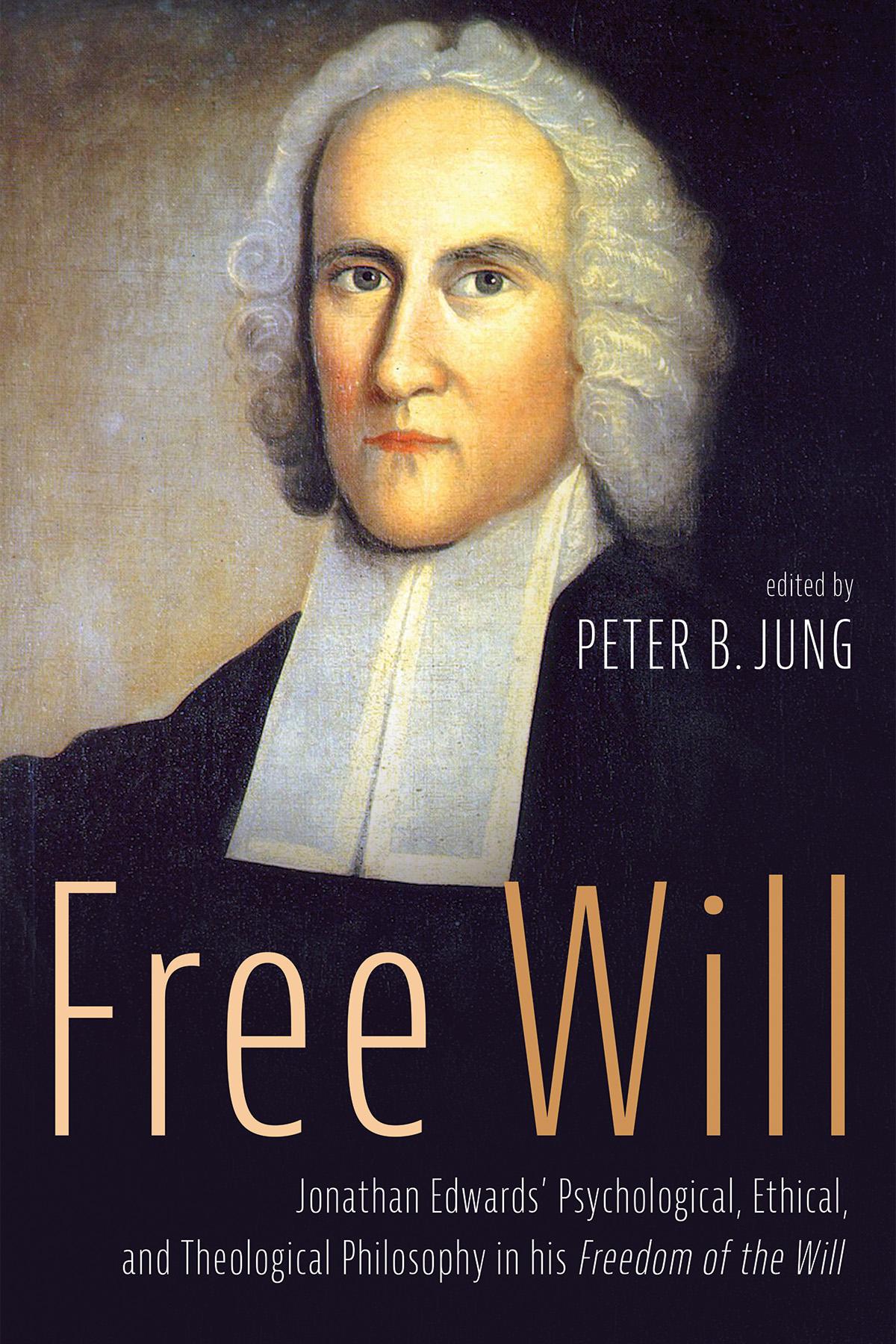
Free Will, also known as Freedom of the Will, is appraised as the one of the greatest works ever produced in America. The mid-eighteenth-century New England philosophical theologian Jonathan Edwards (1703-58) defines the will by importing terms from John Locke. Edwards states the Arminian nature of free will, suspects the need for such free will, and finally defends Calvinist free will and objects to the Arminian one.
In his argument, he chooses three British antagonists: Daniel Whitby, Thomas Chubb, and Isaac Watts. These antagonists insist that the self-determining will is necessary for us to be morally accountable. Edwards disputes their objections that God's determination is contradictory to the liberty of the human will. He then goes to argue what kind of freedom of the will is necessary for the former and latter to be compatible. Edwards's psychological, moral, and theological philosophy is displayed. In addition, readers can learn how our will chooses something pleasant by following the dictate of understanding, while the author demonstrates the natures of New England Arminianism and Calvinism.
Betaal eenvoudig met kaart, Klarna, Apple Pay of Google Pay. Niet tevreden? Je hebt altijd 14 dagen bedenktijd. Lees meer in onze voorwaarden. Heb je vragen, mail ons dan via hello@memmo.org.
Memmo maakt studeren makkelijker – waar je ook bent ter wereld. Wij brengen je cursusboeken en slimme studietools samen op één plek: samenvattingen, quizzen, podcasts en flashcards. En Ted, je studievriend die antwoord geeft op alles wat je je afvraagt. Meer dan 50.000 studenten studeren hier al – gebouwd om je sneller te laten leren en minder stress te geven.
Misschien vind je dit ook leuk
Koop het boek0