
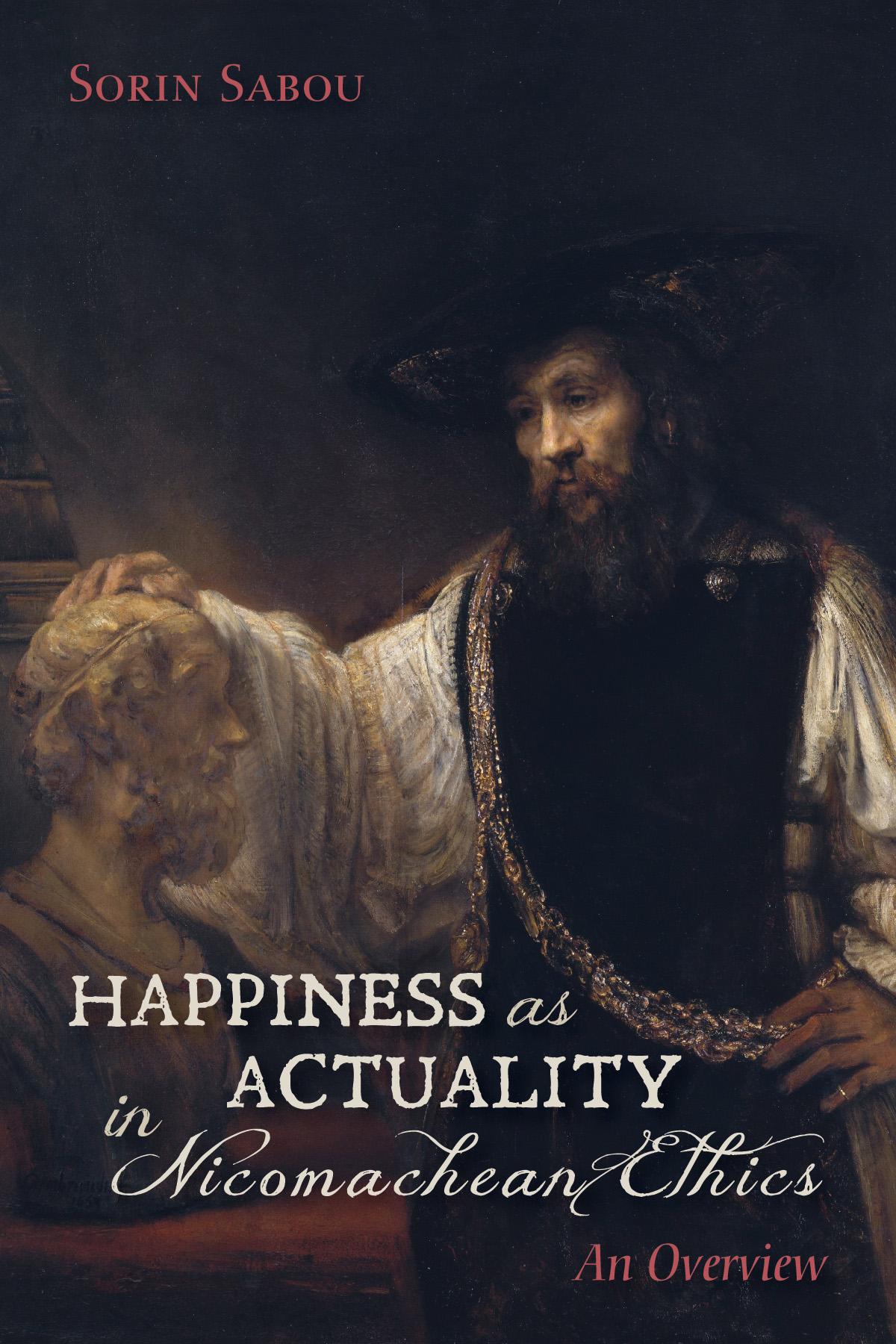
This is a study about the meaning of happiness (εὐδαιμονία) in Aristotle's Nicomachean Ethics (EN). It is argued that εὐδαιμονία in EN means actuality, and it has to be interpreted through the lenses of two metaphors used by Aristotle in EN 1.7 1098a21 and 10.6 1176a30: the "perimeter of good" and the "imprint of happiness." To explain the meaning of happiness Aristotle first has to delineate the "perimeter of good" of human beings, and he does that with the help of two criteria: the final end [τέλος] and the function of humanity [ἔργον ἀνθρώπου]. These two criteria are metaphysical concepts which describe the "good" as the final metaphysical aim of every person, and the best every person can be. This metaphysical teleological aim is the "actuality of the soul" according with excellence. This is the "perimeter" within which Aristotle enquires about εὐδαιμονία--the good of humans.
Betaal eenvoudig met kaart, Klarna, Apple Pay of Google Pay. Niet tevreden? Je hebt altijd 14 dagen bedenktijd. Lees meer in onze voorwaarden. Heb je vragen, mail ons dan via hello@memmo.org.
Memmo maakt studeren makkelijker – waar je ook bent ter wereld. Wij brengen je cursusboeken en slimme studietools samen op één plek: samenvattingen, quizzen, podcasts en flashcards. En Ted, je studievriend die antwoord geeft op alles wat je je afvraagt. Meer dan 50.000 studenten studeren hier al – gebouwd om je sneller te laten leren en minder stress te geven.
Misschien vind je dit ook leuk
Koop het boek0