
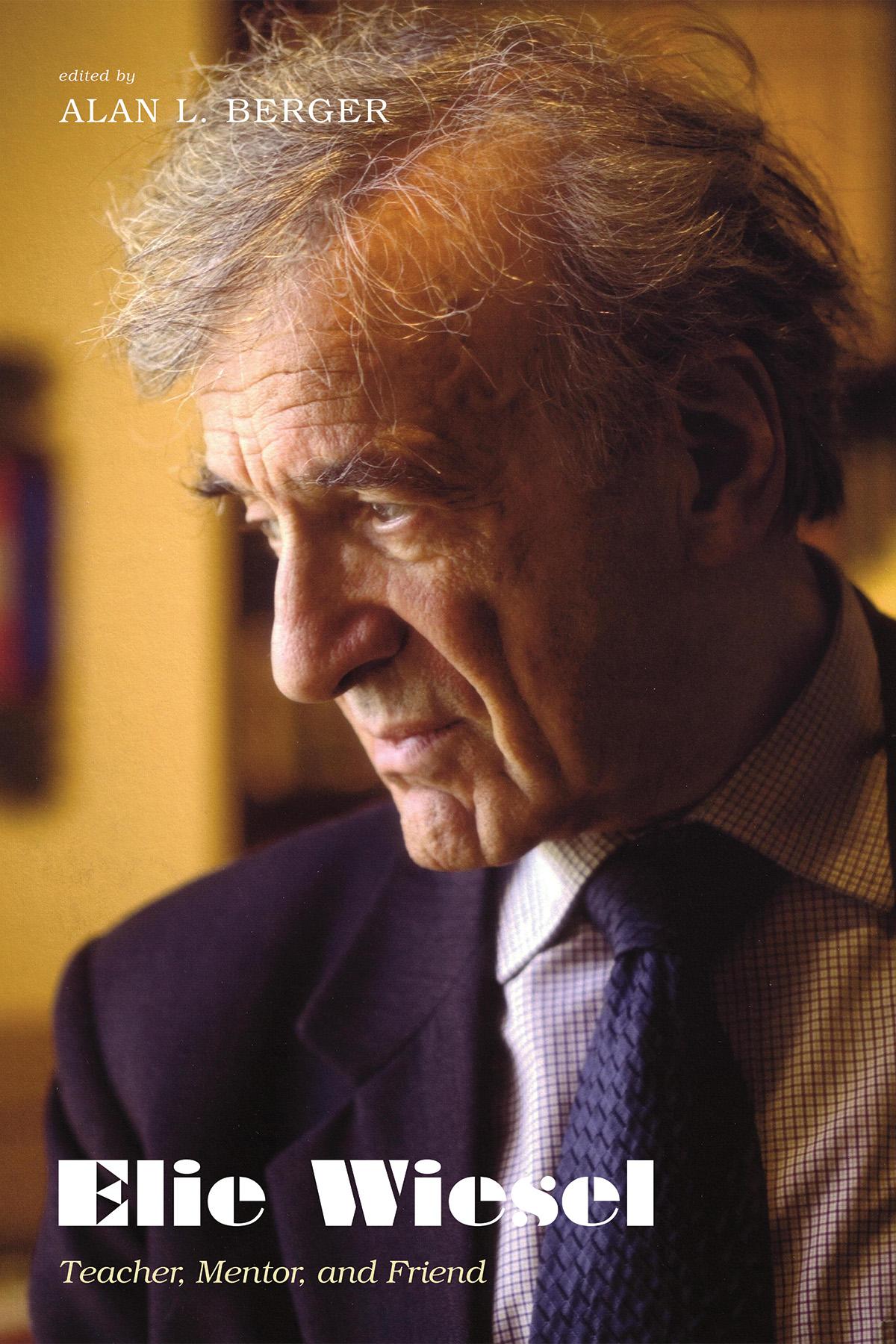
Elie Wiesel, plucked from the ashes of the Holocaust, became a Nobel Peace laureate, an activist on behalf of the oppressed, a teacher, an award-winning novelist, and a renowned humanist. He moved easily among world leaders but was equally at home among the disenfranchised. Following his Nobel Prize, Wiesel established the Elie Wiesel Foundation for Humanity; one of their early initiatives was the founding of the Elie Wiesel Ethics Essay Contest.
The reflections in this volume come from judges of the contest. They share their personal and professional experiences working with and learning from Wiesel, providing a glimpse of the person behind the public figure. At a time when the future seems ominous and chaotic at best, these reflections hold on to the promise of an ethically and morally robust possibility. The students whose essays prompt this sense of hope are remarkable for their insight and dedication.
The messages embedded in the judges' reflections mirror Wiesel's convictions about the importance of friendship, the need to interrogate (without abandoning) God, and the power of remembrance in order to fight indifference.
Betaal eenvoudig met kaart, Klarna, Apple Pay of Google Pay. Niet tevreden? Je hebt altijd 14 dagen bedenktijd. Lees meer in onze voorwaarden. Heb je vragen, mail ons dan via hello@memmo.org.
Memmo maakt studeren makkelijker – waar je ook bent ter wereld. Wij brengen je cursusboeken en slimme studietools samen op één plek: samenvattingen, quizzen, podcasts en flashcards. En Ted, je studievriend die antwoord geeft op alles wat je je afvraagt. Meer dan 50.000 studenten studeren hier al – gebouwd om je sneller te laten leren en minder stress te geven.
Misschien vind je dit ook leuk
Koop het boek0