
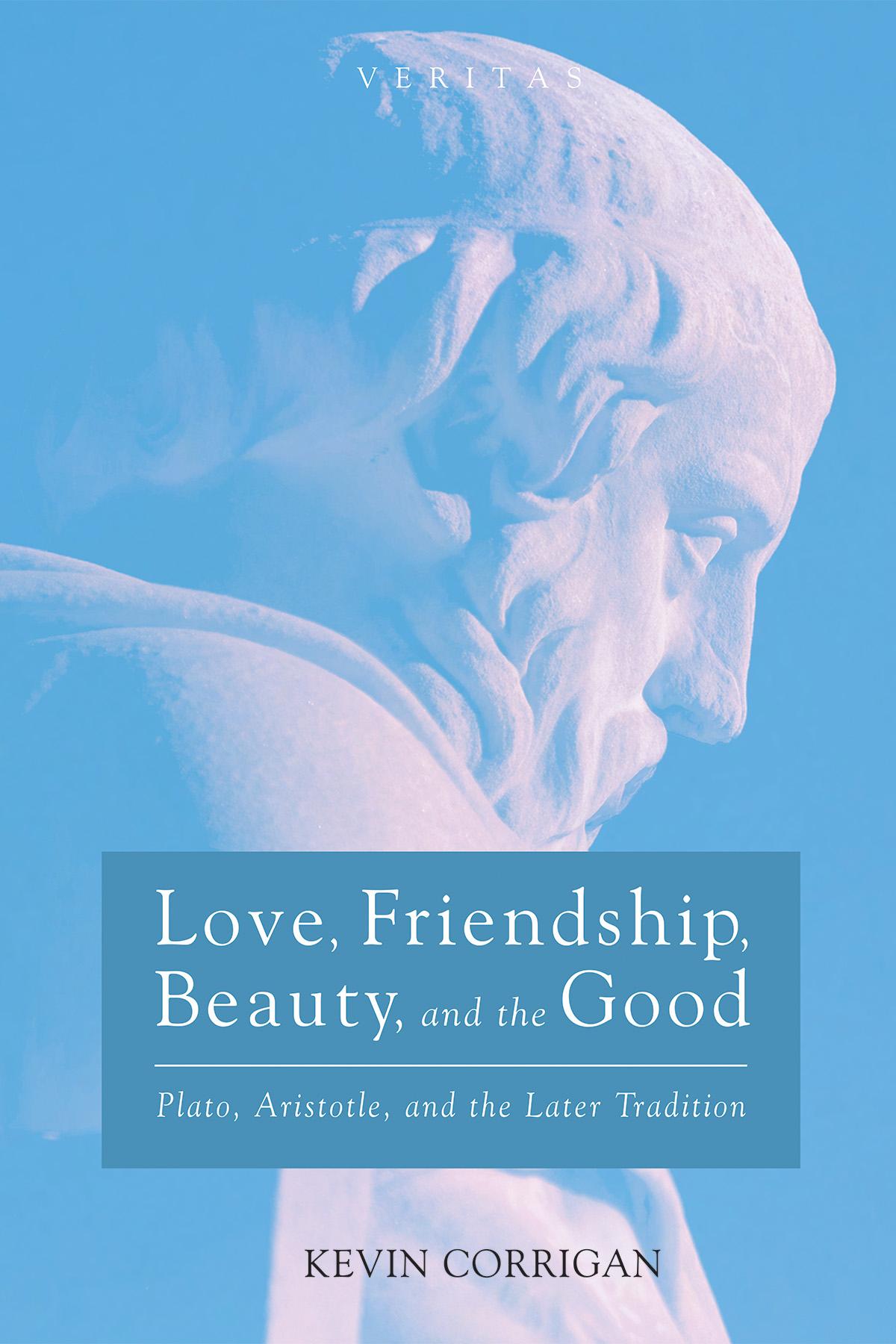
This book tells a compelling story about love, friendship, and the Divine that took over a thousand years to unfold. It argues that mind and feeling are intrinsically connected in the thought of Plato, Aristotle, and Plotinus; that Aristotle developed his theology and physics primarily from Plato's Symposium (from the "Greater" and "Lesser Mysteries" of Diotima-Socrates' speech); and that the Beautiful and the Good are not coincident classes, but irreducible Forms, and the loving ascent of the Symposium must be interpreted in the light of the Republic, as the later tradition up to Ficino saw. Against the view that Platonism is an escape from the ambiguities of ordinary experience or opposed to loving individuals for their own sakes, this book argues that Plato dramatizes the ambiguities of ordinary experience, confronts the possibility of failure, and bequeaths erotic models for the loving of individuals to later thought. Finally, it examines the Platonic-Aristotelian heritage on the Divine to discover whether God can love us back, and situates the dramatic development of this legacy in Plotinus, Iamblichus, Proclus, and Dionysius the Areopagite.
Betaal eenvoudig met kaart, Klarna, Apple Pay of Google Pay. Niet tevreden? Je hebt altijd 14 dagen bedenktijd. Lees meer in onze voorwaarden. Heb je vragen, mail ons dan via hello@memmo.org.
Memmo maakt studeren makkelijker – waar je ook bent ter wereld. Wij brengen je cursusboeken en slimme studietools samen op één plek: samenvattingen, quizzen, podcasts en flashcards. En Ted, je studievriend die antwoord geeft op alles wat je je afvraagt. Meer dan 50.000 studenten studeren hier al – gebouwd om je sneller te laten leren en minder stress te geven.
Misschien vind je dit ook leuk
Koop het boek0