
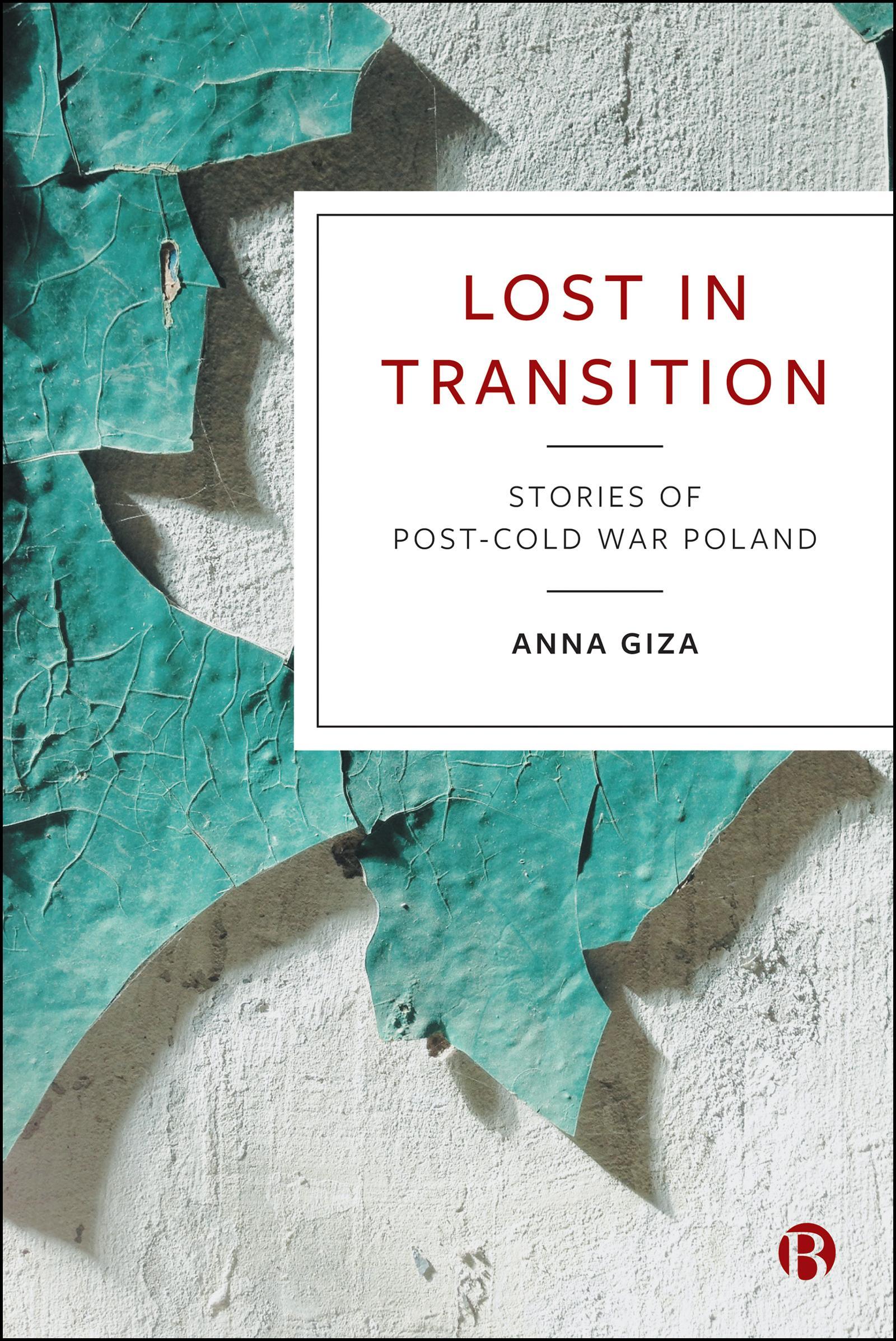
This book examines the contradictions in the narratives surrounding the post-socialist transition in Eastern Europe. While countries such as Poland and Hungary are hailed as successful transitions to liberal democracies, they are also seen as semi-authoritarian regimes undermining democracy.
The book questions what the transition was truly about, challenging the dominant narrative and highlighting the overlooked aspects of society, such as the agency of people and organizations, the ethical resources upon which society and economy are based, and ideas about who we are as human beings. Focusing on organizations and the world of paid work, it uses Poland as a case study to explore the hidden consequences of the transition and its broader relevance for both Eastern Europe and the West.
Betaal eenvoudig met kaart, Klarna, Apple Pay of Google Pay. Niet tevreden? Je hebt altijd 14 dagen bedenktijd. Lees meer in onze voorwaarden. Heb je vragen, mail ons dan via hello@memmo.org.
Memmo maakt studeren makkelijker – waar je ook bent ter wereld. Wij brengen je cursusboeken en slimme studietools samen op één plek: samenvattingen, quizzen, podcasts en flashcards. En Ted, je studievriend die antwoord geeft op alles wat je je afvraagt. Meer dan 50.000 studenten studeren hier al – gebouwd om je sneller te laten leren en minder stress te geven.