
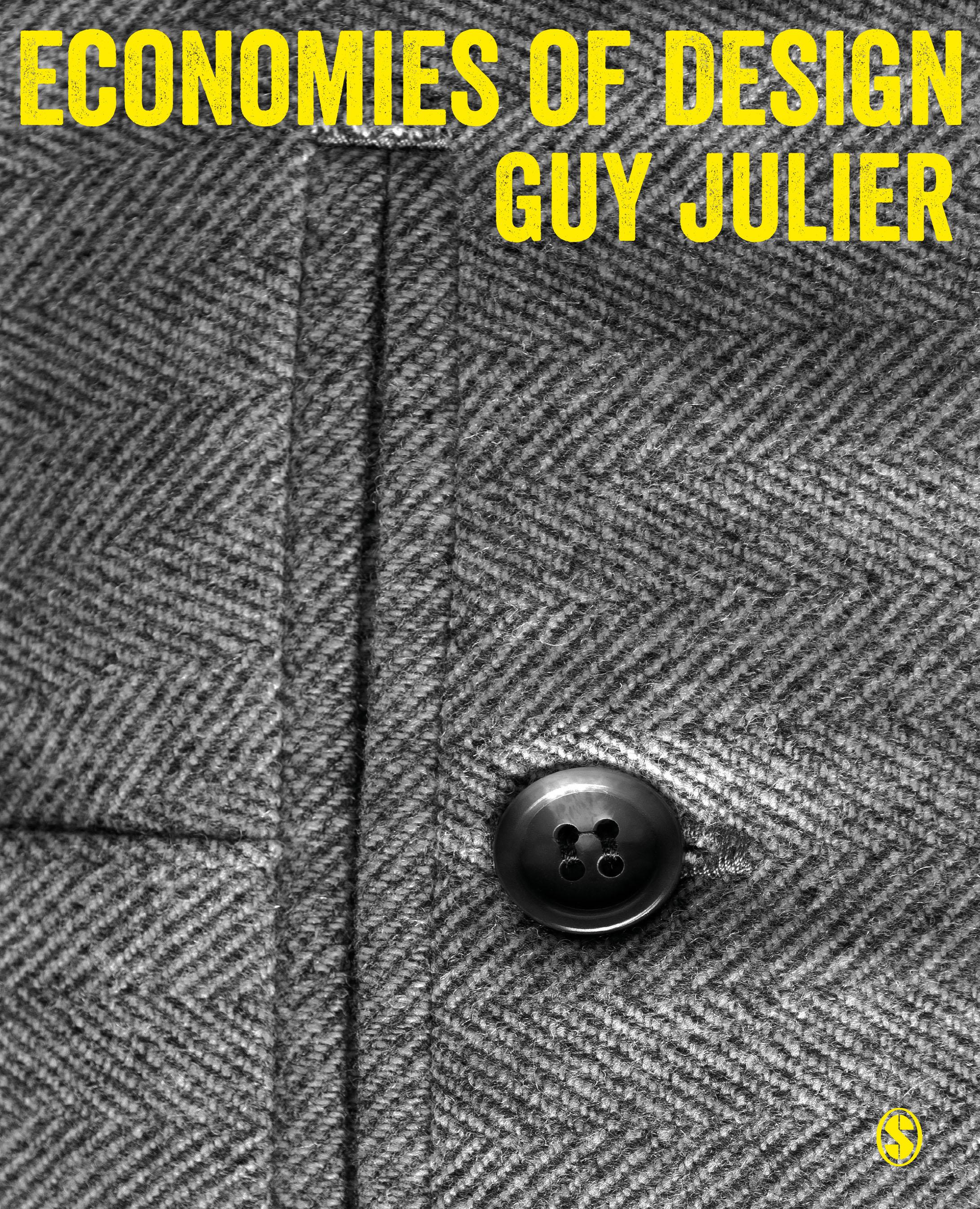
How are the rise of design and neoliberalism connected? How does design change the way we operate as economic beings? What is the economic significance of design?
Historically, design has been promoted for its for its capacity to add value to products and services. In contemporary capitalism, however, it assumes a more central and more complex role. Design today is both influenced by, and actively shapes, our economic systems.
This ground-breaking book shines a spotlight on how design has become embedded in political economies. It reveals the multiple ways in which design has emerged as a vital feature of neoliberal economic systems, from urban strategies to commercial processes to government policy-making. Drawing on a range of global examples, Guy Julier:
- explains the economic processes of design
- explores the relationship between design and intellectual property
- discusses the role of design in the public sector
- highlights the impact of design in informal and alternative economies
- brings theory to life with case studies on home improvements, fast fashion, shopping centres and more.
Economies of Design provides a thought-provoking new way of understanding and talking about the meanings of design in contemporary capitalism. It is an essential companion for students of design and the creative industries across the arts, humanities and social sciences.
Betaal eenvoudig met kaart, Klarna, Apple Pay of Google Pay. Niet tevreden? Je hebt altijd 14 dagen bedenktijd. Lees meer in onze voorwaarden. Heb je vragen, mail ons dan via hello@memmo.org.
Memmo maakt studeren makkelijker – waar je ook bent ter wereld. Wij brengen je cursusboeken en slimme studietools samen op één plek: samenvattingen, quizzen, podcasts en flashcards. En Ted, je studievriend die antwoord geeft op alles wat je je afvraagt. Meer dan 50.000 studenten studeren hier al – gebouwd om je sneller te laten leren en minder stress te geven.