
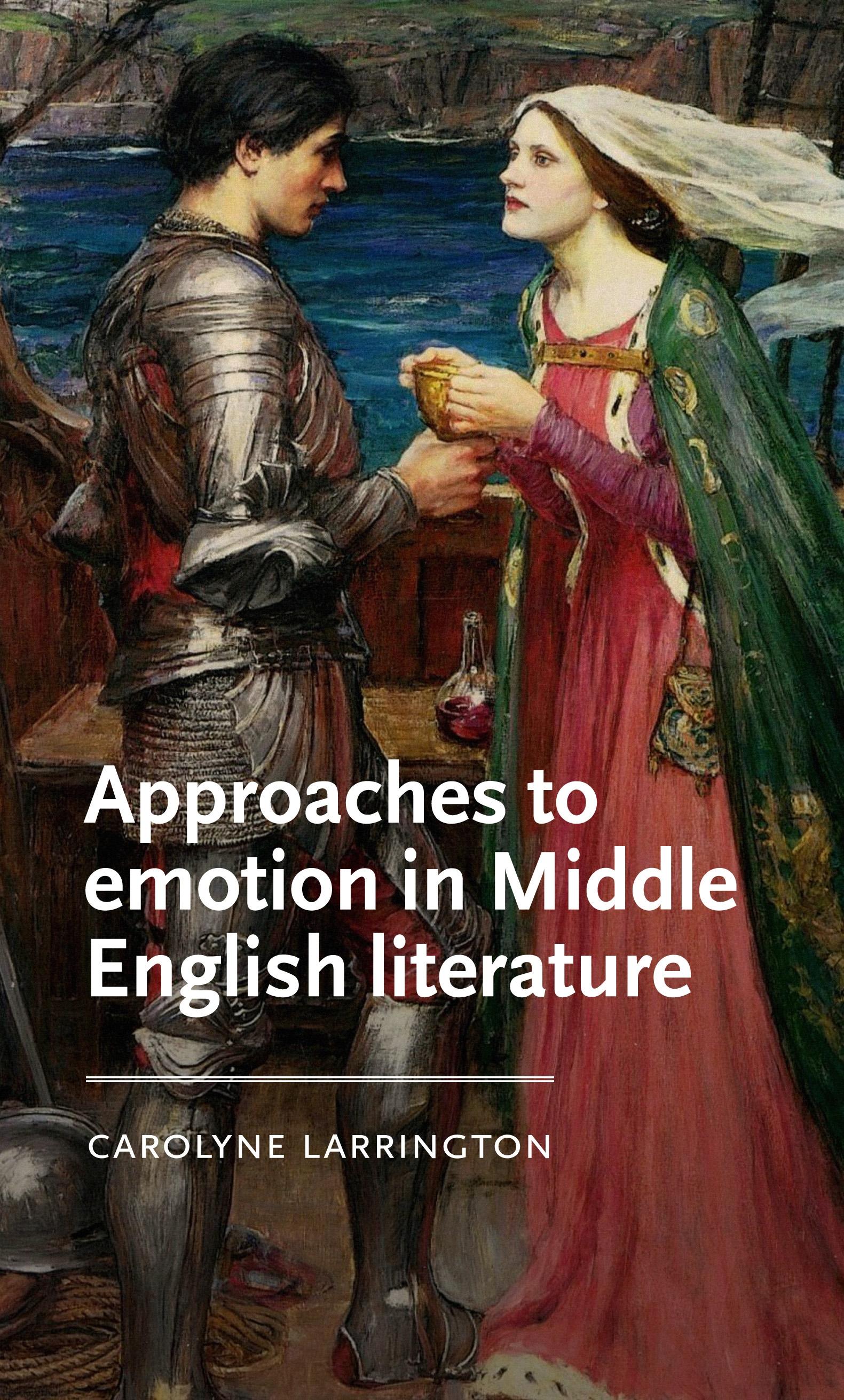
Over the last twenty-five years, the ‘history of emotion’ field has become one of the most dynamic and productive areas for humanities research. This designation, and the marked leadership of historians in the field, has had the unlooked-for consequence of sidelining literature — in particular secular literature — as evidence-source and object of emotion study. Secular literature, whether fable, novel, fantasy or romance, has been understood as prone to exaggeration, hyperbole, and thus as an unreliable indicator of the emotions of the past.
The aim of this book is to decentre history of emotion research and asks new questions, ones that can be answered by literary scholars, using literary texts as sources: how do literary texts understand and depict emotion and, crucially, how do they generate emotion in their audiences — those who read them or hear them read or performed?
Betaal eenvoudig met kaart, Klarna, Apple Pay of Google Pay. Niet tevreden? Je hebt altijd 14 dagen bedenktijd. Lees meer in onze voorwaarden. Heb je vragen, mail ons dan via hello@memmo.org.
Memmo maakt studeren makkelijker – waar je ook bent ter wereld. Wij brengen je cursusboeken en slimme studietools samen op één plek: samenvattingen, quizzen, podcasts en flashcards. En Ted, je studievriend die antwoord geeft op alles wat je je afvraagt. Meer dan 50.000 studenten studeren hier al – gebouwd om je sneller te laten leren en minder stress te geven.