
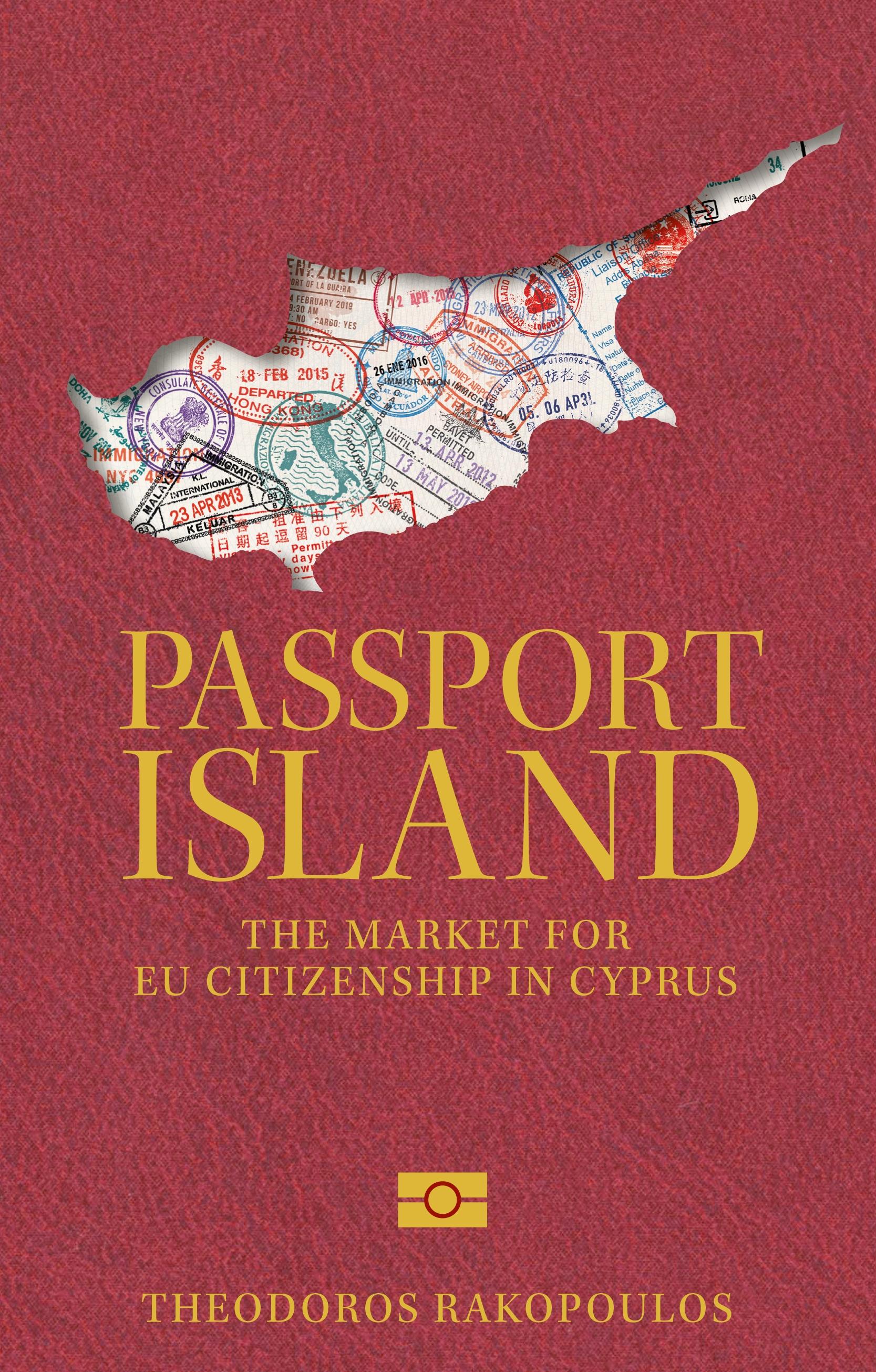
For the decade up to 2020, the Republic of Cyprus opened a route to naturalisation and citizenship by investment for non-nationals who wanted access to the EU – many of them wealthy Russians who had profited from the post-Soviet era. The magnitude of the phenomenon is staggering. Thousands of Russian, Chinese, and other investors became Cypriots by buying properties – and therefore passports – on the island. The ‘EU passport’ became the country’s major export, and the city of Limassol changed dramatically to accommodate the skyscrapers (‘passport towers’) built on the seafront.
This book shows how a national passport becomes a global commodity, and unpacks the complex implications on the ground and in the EU. It interrogates the golden passports’ right of money (jus pecuniae), which complicates existing citizenship structures associated with ancestry and territory. Examining the mobility of international elites, the ethnography contributes an original angle to migration studies, as golden passports suggest that citizenship has become a tool for the mobility of the rich. Through close engagement with the situation in Cyprus, Passport island shows how the global market for passports is tied up with economic crises, migration, property, inequality, and European politics. The book argues that the commodification of citizenship represents a new form of offshoring by other means.
Betaal eenvoudig met kaart, Klarna, Apple Pay of Google Pay. Niet tevreden? Je hebt altijd 14 dagen bedenktijd. Lees meer in onze voorwaarden. Heb je vragen, mail ons dan via hello@memmo.org.
Memmo maakt studeren makkelijker – waar je ook bent ter wereld. Wij brengen je cursusboeken en slimme studietools samen op één plek: samenvattingen, quizzen, podcasts en flashcards. En Ted, je studievriend die antwoord geeft op alles wat je je afvraagt. Meer dan 50.000 studenten studeren hier al – gebouwd om je sneller te laten leren en minder stress te geven.