
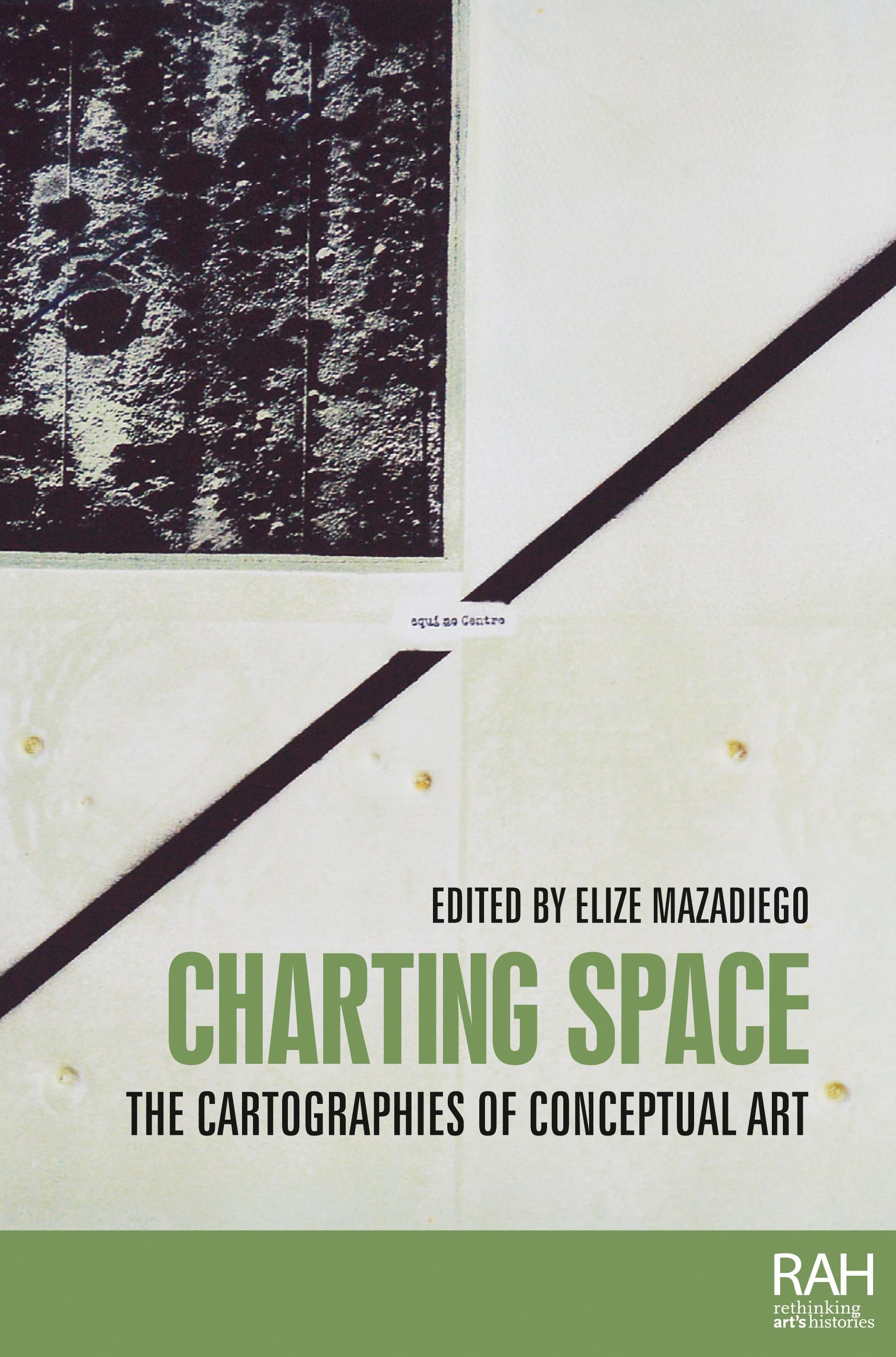
By the late 1960s cartographic formats and spatial information had become a regular feature in many conceptual artworks. This volume offers a rich study of conceptualisms’ mapping practices that includes more expanded forms of spatial representation.
The book presents twelve in-depth case studies that address artists’ engagement with matters of space at a time when space was garnering new significance in art, theory and culture. The chapters shed fresh light on an evident ‘spatial turn’ that took place from the postwar to the contemporary period, revealing how it was influenced by larger historical, social and cultural contexts.
In addition to raising questions about conceptualism’s relationship to the world, the contributors illustrate how artists’ cartographies served as critical sites for formulating their politics, upsetting prevailing systems and graphing new, heterogenous spaces.
Betaal eenvoudig met kaart, Klarna, Apple Pay of Google Pay. Niet tevreden? Je hebt altijd 14 dagen bedenktijd. Lees meer in onze voorwaarden. Heb je vragen, mail ons dan via hello@memmo.org.
Memmo maakt studeren makkelijker – waar je ook bent ter wereld. Wij brengen je cursusboeken en slimme studietools samen op één plek: samenvattingen, quizzen, podcasts en flashcards. En Ted, je studievriend die antwoord geeft op alles wat je je afvraagt. Meer dan 50.000 studenten studeren hier al – gebouwd om je sneller te laten leren en minder stress te geven.