
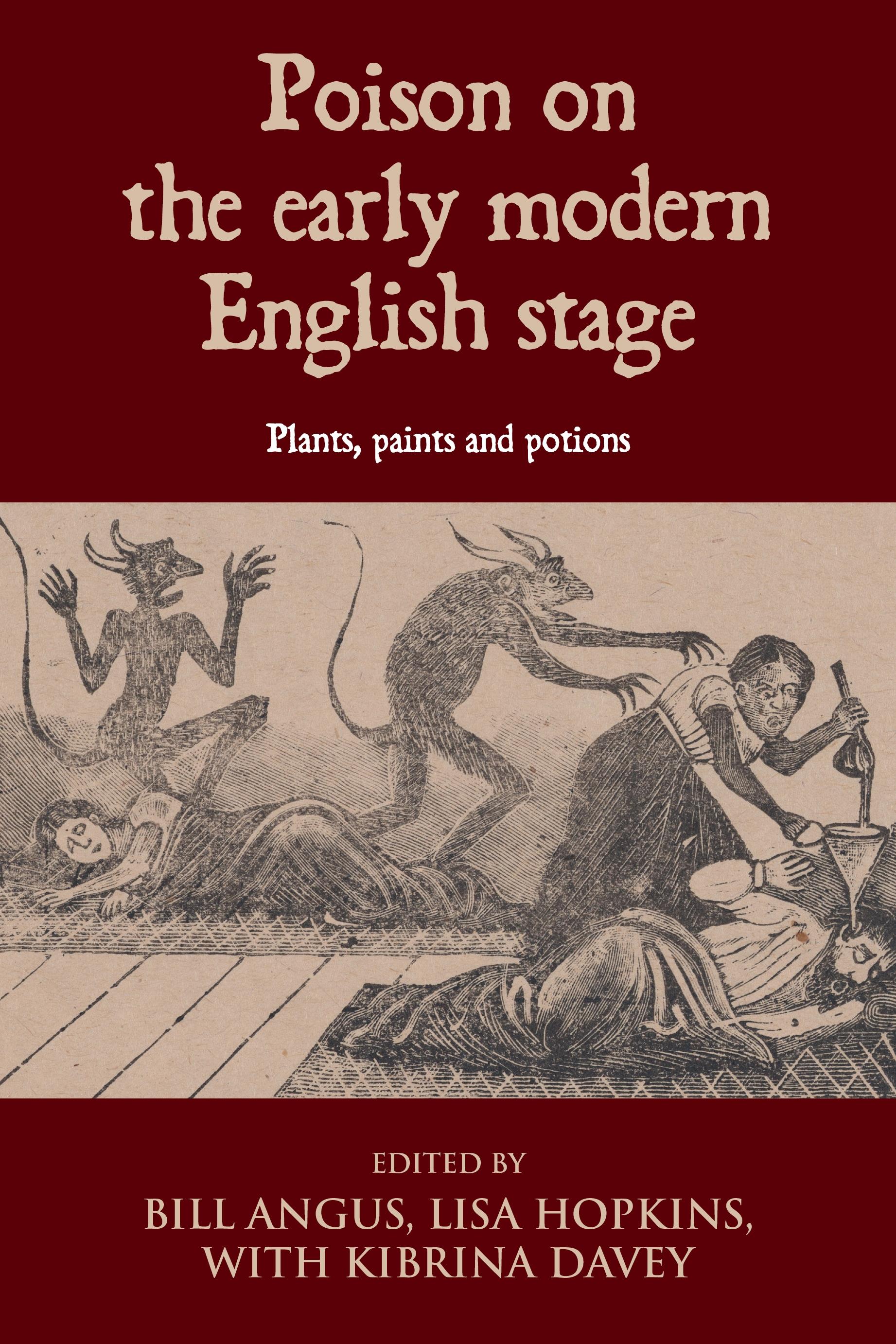
Many early modern plays use poison, most famously Hamlet, where the murder of Old Hamlet showcases the range of issues poison mobilises. Its orchard setting is one of a number of sinister uses of plants which comment on both the loss of horticultural knowledge resulting from the Dissolution of the Monasteries and also the many new arrivals in English gardens through travel, trade, and attempts at colonisation. The fact that Old Hamlet was asleep reflects unease about soporifics troubling the distinction between sleep and death; pouring poison into the ear smuggles in the contemporary fear of informers; and it is difficult to prove. This book explores poisoning in early modern plays, the legal and epistemological issues it raises, and the cultural work it performs, which includes questions related to race, religion, nationality, gender, and humans’ relationship to the environment.
Betaal eenvoudig met kaart, Klarna, Apple Pay of Google Pay. Niet tevreden? Je hebt altijd 14 dagen bedenktijd. Lees meer in onze voorwaarden. Heb je vragen, mail ons dan via hello@memmo.org.
Memmo maakt studeren makkelijker – waar je ook bent ter wereld. Wij brengen je cursusboeken en slimme studietools samen op één plek: samenvattingen, quizzen, podcasts en flashcards. En Ted, je studievriend die antwoord geeft op alles wat je je afvraagt. Meer dan 50.000 studenten studeren hier al – gebouwd om je sneller te laten leren en minder stress te geven.
Misschien vind je dit ook leuk
Koop het boek0