
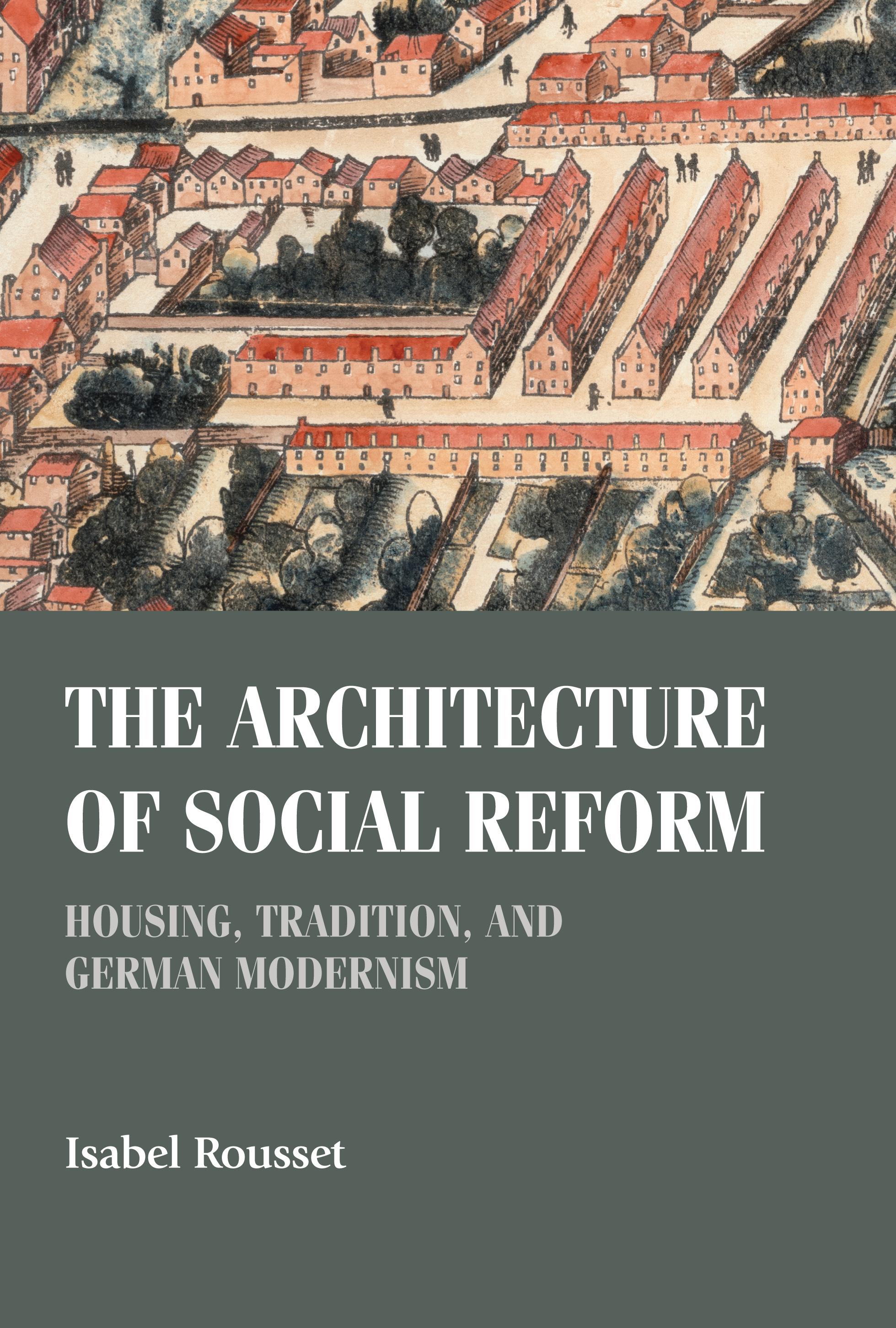
The architecture of social reform explores the fascinating intellectual origins of modern architecture’s obsession with domesticity. Copiously illustrated, Rousset’s revealing analysis demonstrates how questions over aesthetics, style, urbanization, and technology that gripped the modernist imagination were deeply ingrained in a larger concern to reform society through housing. The increasing demand for new housing in Germany’s rapidly growing cities fostered critical exchanges between a heterogeneous group of actors, including architects, urban theorists, planners, and social scientists, who called for society to be freed from class antagonism through the provision of good, modest, traditionally-minded domestic design. Offering a compelling account of architecture’s ability to act socially, the book provocatively argues that architectural theory underwent its most critical epistemological transformation in relation to the dynamics of modern class politics long before the arrival of the avant-garde.
Betaal eenvoudig met kaart, Klarna, Apple Pay of Google Pay. Niet tevreden? Je hebt altijd 14 dagen bedenktijd. Lees meer in onze voorwaarden. Heb je vragen, mail ons dan via hello@memmo.org.
Memmo maakt studeren makkelijker – waar je ook bent ter wereld. Wij brengen je cursusboeken en slimme studietools samen op één plek: samenvattingen, quizzen, podcasts en flashcards. En Ted, je studievriend die antwoord geeft op alles wat je je afvraagt. Meer dan 50.000 studenten studeren hier al – gebouwd om je sneller te laten leren en minder stress te geven.
Misschien vind je dit ook leuk
Koop het boek0