
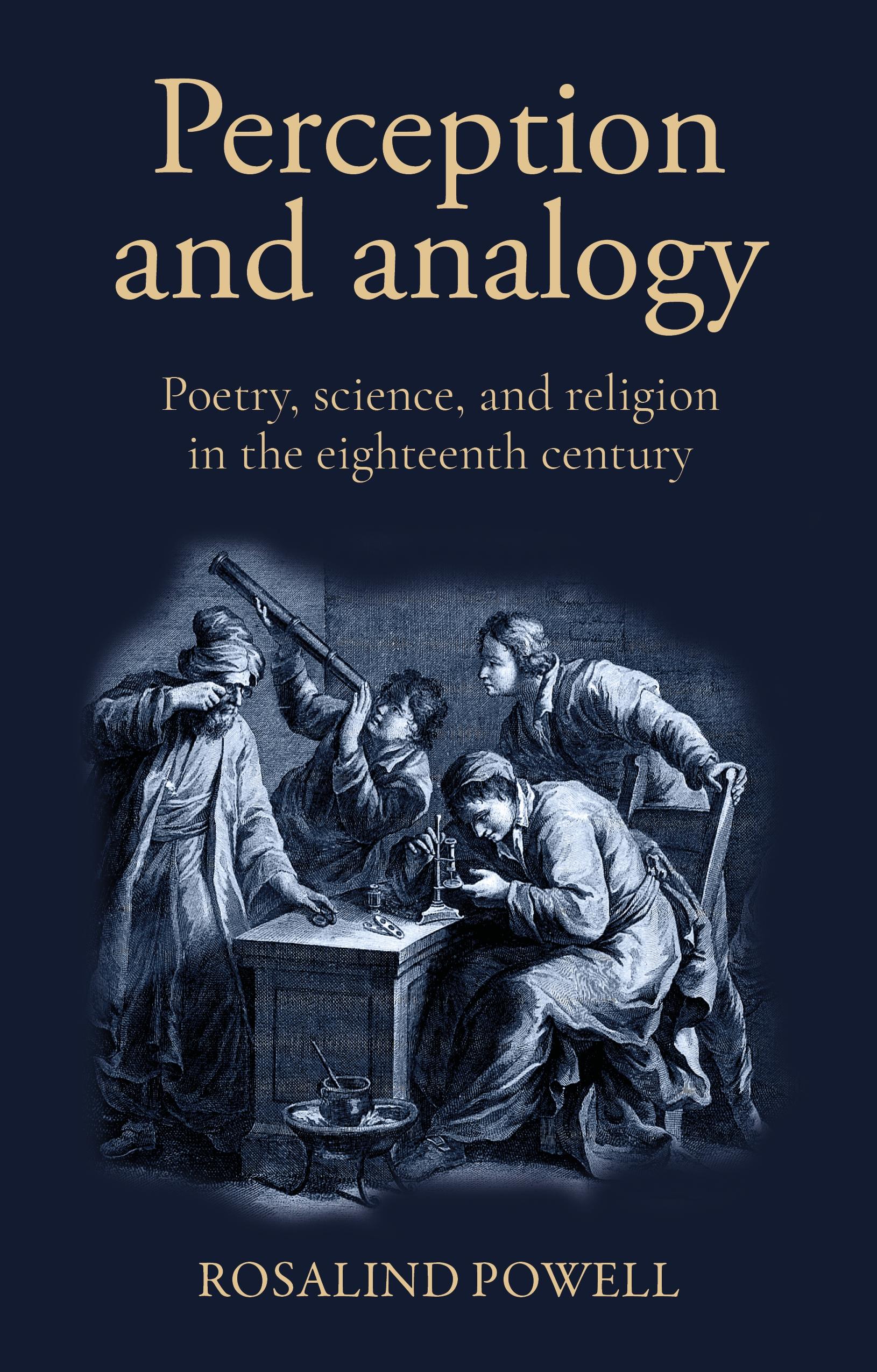
Perception and analogy explores ways of seeing scientifically in the eighteenth century. The book examines how sensory experience is conceptualised during the period, drawing novel connections between treatments of perception as an embodied phenomenon and the creative methods employed by natural philosophers. Covering a wealth of literary, theological, and pedagogical texts that engage with astronomy, optics, ophthalmology, and the body, it argues for the significance of analogies for conceptualising and explaining new scientific ideas. As well as identifying their use in religious and topographical poetry, the book addresses how analogies are visible in material culture through objects such as orreries, camera obscuras, and aeolian harps. It makes the vital claim that scientific concepts become intertwined with Christian discourse through reinterpretations of origins and signs, the scope of the created universe, and the limits of embodied knowledge.
Betaal eenvoudig met kaart, Klarna, Apple Pay of Google Pay. Niet tevreden? Je hebt altijd 14 dagen bedenktijd. Lees meer in onze voorwaarden. Heb je vragen, mail ons dan via hello@memmo.org.
Memmo maakt studeren makkelijker – waar je ook bent ter wereld. Wij brengen je cursusboeken en slimme studietools samen op één plek: samenvattingen, quizzen, podcasts en flashcards. En Ted, je studievriend die antwoord geeft op alles wat je je afvraagt. Meer dan 50.000 studenten studeren hier al – gebouwd om je sneller te laten leren en minder stress te geven.
Misschien vind je dit ook leuk
Koop het boek0