
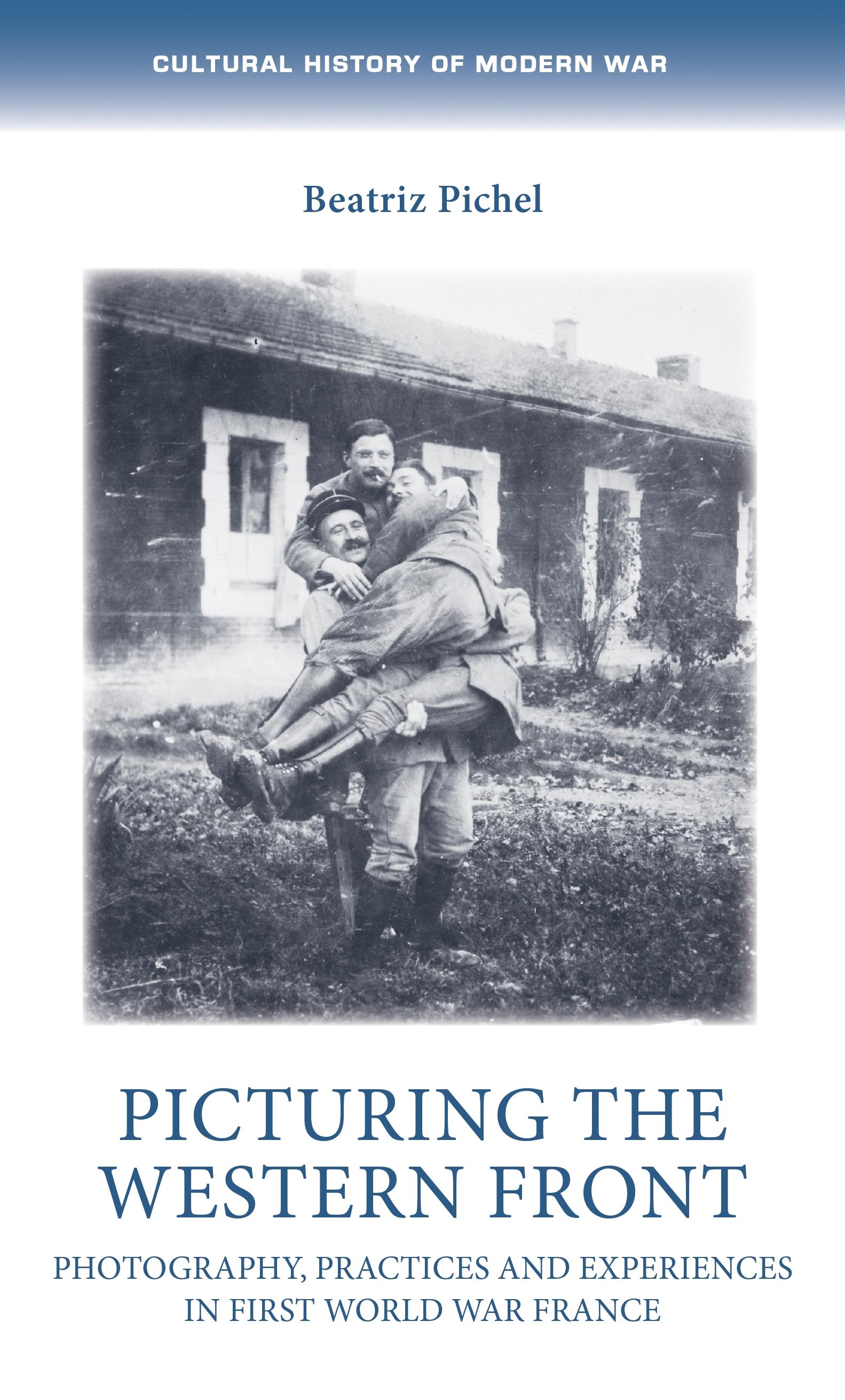
Between 1914 and 1918, military, press and amateur photographers produced thousands of pictures. Either classified in military archives specially created with this purpose in 1915, collected in personal albums or circulated in illustrated magazines, photographs were supposed to tell the story of the war. Picturing the Western Front argues that photographic practices also shaped combatants and civilians’ war experiences. Doing photography (taking pictures, posing for them, exhibiting, cataloguing and looking at them) allowed combatants and civilians to make sense of what they were living through. Photography mattered because it enabled combatants and civilians to record events, establish or reinforce bonds with one another, represent bodies, place people and events in imaginative geographies and making things visible, while making others, such as suicide, invisible. Photographic practices became, thus, frames of experience.
Betaal eenvoudig met kaart, Klarna, Apple Pay of Google Pay. Niet tevreden? Je hebt altijd 14 dagen bedenktijd. Lees meer in onze voorwaarden. Heb je vragen, mail ons dan via hello@memmo.org.
Memmo maakt studeren makkelijker – waar je ook bent ter wereld. Wij brengen je cursusboeken en slimme studietools samen op één plek: samenvattingen, quizzen, podcasts en flashcards. En Ted, je studievriend die antwoord geeft op alles wat je je afvraagt. Meer dan 50.000 studenten studeren hier al – gebouwd om je sneller te laten leren en minder stress te geven.
Misschien vind je dit ook leuk
Koop het boek0