
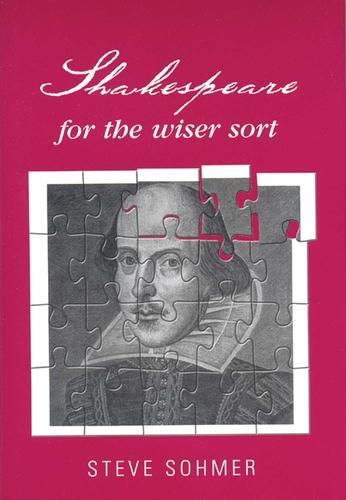
William Shakespeare’s plays are riddled with passages, scenes and sudden plot twists which baffle and confound the most devoted playgoer and the most attentive commentator. Why, for example, didn’t Hamlet succeed to the throne of Denmark at the instant of his father’s death? (It’s not because the Danish throne was elective.) Why does Chorus in Romeo and Juliet promise his audience ‘two houres trafficke of our stage’ when the play obviously runs almost three hours? How is it that Old Hamlet sent his son to school in (Protestant) Wittenberg but his Ghost was sent to (Catholic) Purgatory? and is there cause-and-effect here? How can Lancelot Gobbo be correct (and he is) when he claims Black Monday (the day after Easter) and Ash Wednesday (the 41st day before Easter) once fell on the same day? And what is a ‘dram of eale’? This engaging and lucid book solves these tantalizing riddles and many others.
Betaal eenvoudig met kaart, Klarna, Apple Pay of Google Pay. Niet tevreden? Je hebt altijd 14 dagen bedenktijd. Lees meer in onze voorwaarden. Heb je vragen, mail ons dan via hello@memmo.org.
Memmo maakt studeren makkelijker – waar je ook bent ter wereld. Wij brengen je cursusboeken en slimme studietools samen op één plek: samenvattingen, quizzen, podcasts en flashcards. En Ted, je studievriend die antwoord geeft op alles wat je je afvraagt. Meer dan 50.000 studenten studeren hier al – gebouwd om je sneller te laten leren en minder stress te geven.
Misschien vind je dit ook leuk
Koop het boek0