
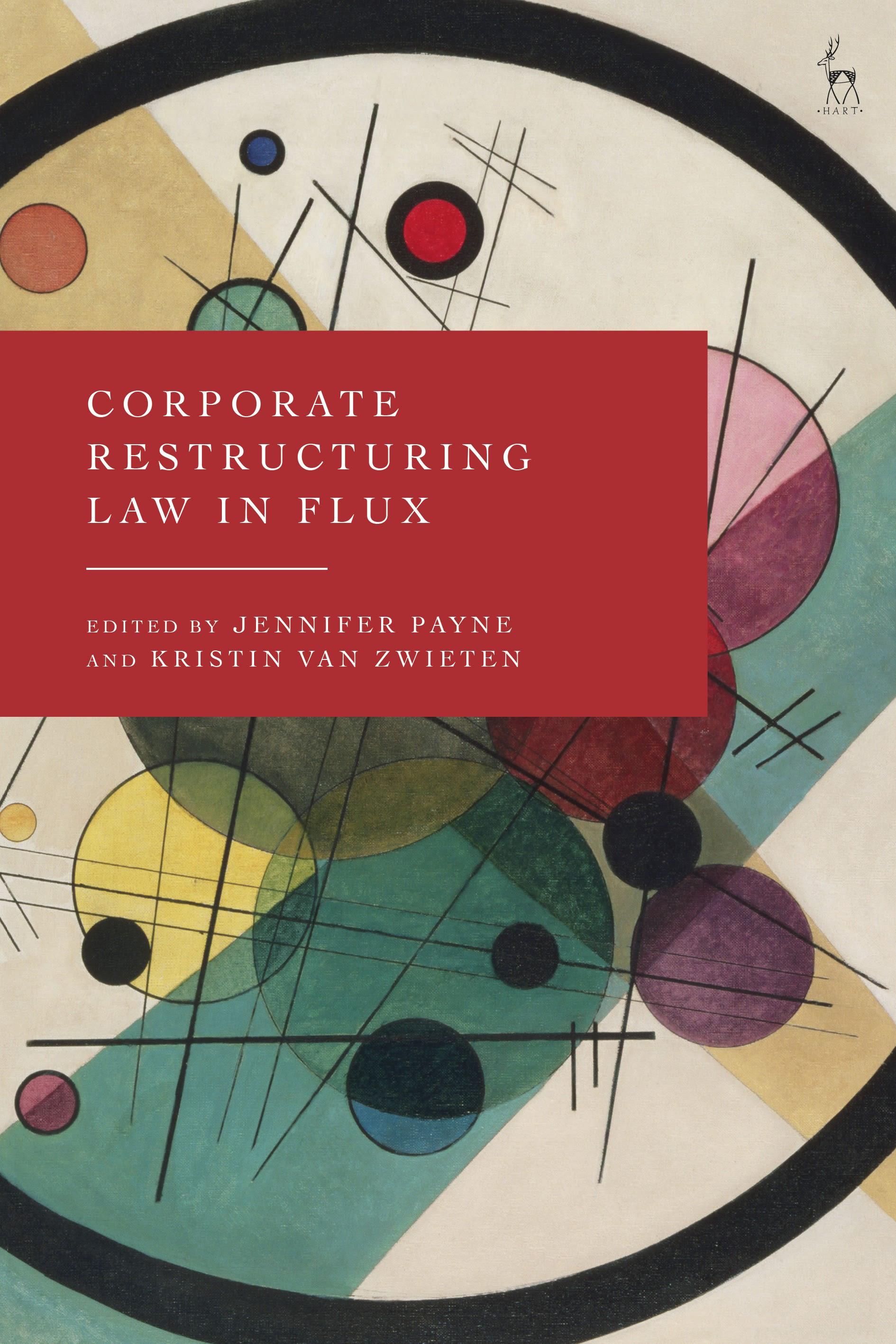
This book analyses recent developments in English corporate restructuring law from a range of comparative and theoretical perspectives, exploring some of the most difficult aspects of the design of domestic restructuring laws and their application in cross-border cases.
Recent reforms to English law took place against the backdrop of corporate restructuring law reform initiatives in Europe and in many other regions of the world. These reforms reflect an emerging consensus as to the importance of such laws, both as a complement to macroeconomic stabilisation tools in times of extraordinary crisis, and as a determinant of investment conditions in more ordinary times. But it is one thing to recognise the importance of such laws in the abstract, and quite another to work out precisely how corporate restructuring rules should be designed.
This book explores some of the most complex aspects of designing such rules. It does so through the close analysis of the changes made by the enactment of the Corporate Insolvency and Governance Act 2020 (UK), and the interpretation of the new statutory provisions by the courts. Authors also draw on examples from other jurisdictions to analyse choices made in the UK, and in some cases offer separate evaluation of restructuring law reform processes outside the UK, including in select jurisdictions in the EU and in Africa, and in the US.
By drawing on experiences in other jurisdictions, the book casts new light on recent developments in English law, suggesting many avenues for further research and a range of implications for policymakers. An introductory chapter by the editors introducing the landmark 2020 reforms provides a detailed synopsis of each chapter of the book, drawing out connections between them, and articulates some themes that run through the chapters that are salient for policymakers.
Recent reforms to English law took place against the backdrop of corporate restructuring law reform initiatives in Europe and in many other regions of the world. These reforms reflect an emerging consensus as to the importance of such laws, both as a complement to macroeconomic stabilisation tools in times of extraordinary crisis, and as a determinant of investment conditions in more ordinary times. But it is one thing to recognise the importance of such laws in the abstract, and quite another to work out precisely how corporate restructuring rules should be designed.
This book explores some of the most complex aspects of designing such rules. It does so through the close analysis of the changes made by the enactment of the Corporate Insolvency and Governance Act 2020 (UK), and the interpretation of the new statutory provisions by the courts. Authors also draw on examples from other jurisdictions to analyse choices made in the UK, and in some cases offer separate evaluation of restructuring law reform processes outside the UK, including in select jurisdictions in the EU and in Africa, and in the US.
By drawing on experiences in other jurisdictions, the book casts new light on recent developments in English law, suggesting many avenues for further research and a range of implications for policymakers. An introductory chapter by the editors introducing the landmark 2020 reforms provides a detailed synopsis of each chapter of the book, drawing out connections between them, and articulates some themes that run through the chapters that are salient for policymakers.
Pagina's: 368
Categorie: Juridik
e-ISBN: 9781509978397
Verzendgewicht: 1.2 kg
Verzending binnen: 1-2 dagen
Betaal eenvoudig met kaart, Klarna, Apple Pay of Google Pay. Niet tevreden? Je hebt altijd 14 dagen bedenktijd. Lees meer in onze voorwaarden. Heb je vragen, mail ons dan via hello@memmo.org.
Memmo maakt studeren makkelijker – waar je ook bent ter wereld. Wij brengen je cursusboeken en slimme studietools samen op één plek: samenvattingen, quizzen, podcasts en flashcards. En Ted, je studievriend die antwoord geeft op alles wat je je afvraagt. Meer dan 50.000 studenten studeren hier al – gebouwd om je sneller te laten leren en minder stress te geven.