
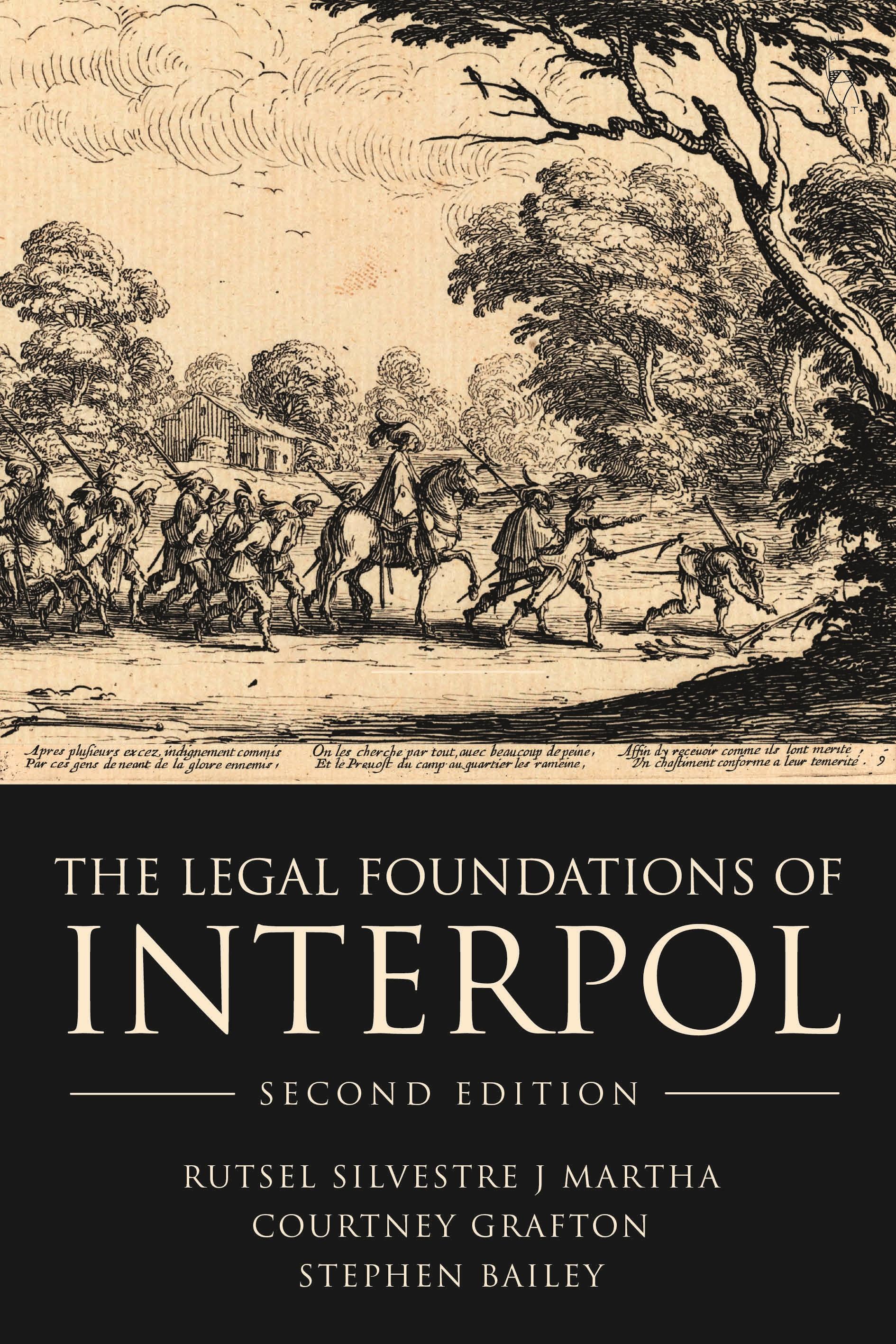
Since the publication of the extremely well regarded first edition of this title, the legal regime which forms the basis for INTERPOL has changed significantly due to increasing criticism and calls for reform. This timely new edition provides a complete update to reflect the significant developments within the Organization since 2010.
This new edition also examines INTERPOL's internal and external law and situates INTERPOL's assistance to its members in the legal regime of responsibility. It is the first text to undertake this task. It draws on the jurisprudence of the Commission for the Control of INTERPOL's Files and the authors' extensive experience before this body to discuss in great detail how an individual can challenge INTERPOL's interventions (including the issuance of notices) on the basis of the Organization's internal rules. It also meticulously describes the procedures under which INTERPOL members might challenge INTERPOL's interventions and how an individual can hold INTERPOL responsible for breaches of its external law.
Retaining the clarity of expression and expert analysis that were hallmarks of the first edition, this book is required reading for practitioners and academics alike. It provides academics with a valuable case study on the creation of an international organisation and the responsibility of international organisations, and it offers practitioners a forensic analysis of how to challenge INTERPOL and its actions.
This new edition also examines INTERPOL's internal and external law and situates INTERPOL's assistance to its members in the legal regime of responsibility. It is the first text to undertake this task. It draws on the jurisprudence of the Commission for the Control of INTERPOL's Files and the authors' extensive experience before this body to discuss in great detail how an individual can challenge INTERPOL's interventions (including the issuance of notices) on the basis of the Organization's internal rules. It also meticulously describes the procedures under which INTERPOL members might challenge INTERPOL's interventions and how an individual can hold INTERPOL responsible for breaches of its external law.
Retaining the clarity of expression and expert analysis that were hallmarks of the first edition, this book is required reading for practitioners and academics alike. It provides academics with a valuable case study on the creation of an international organisation and the responsibility of international organisations, and it offers practitioners a forensic analysis of how to challenge INTERPOL and its actions.
Betaal eenvoudig met kaart, Klarna, Apple Pay of Google Pay. Niet tevreden? Je hebt altijd 14 dagen bedenktijd. Lees meer in onze voorwaarden. Heb je vragen, mail ons dan via hello@memmo.org.
Memmo maakt studeren makkelijker – waar je ook bent ter wereld. Wij brengen je cursusboeken en slimme studietools samen op één plek: samenvattingen, quizzen, podcasts en flashcards. En Ted, je studievriend die antwoord geeft op alles wat je je afvraagt. Meer dan 50.000 studenten studeren hier al – gebouwd om je sneller te laten leren en minder stress te geven.