
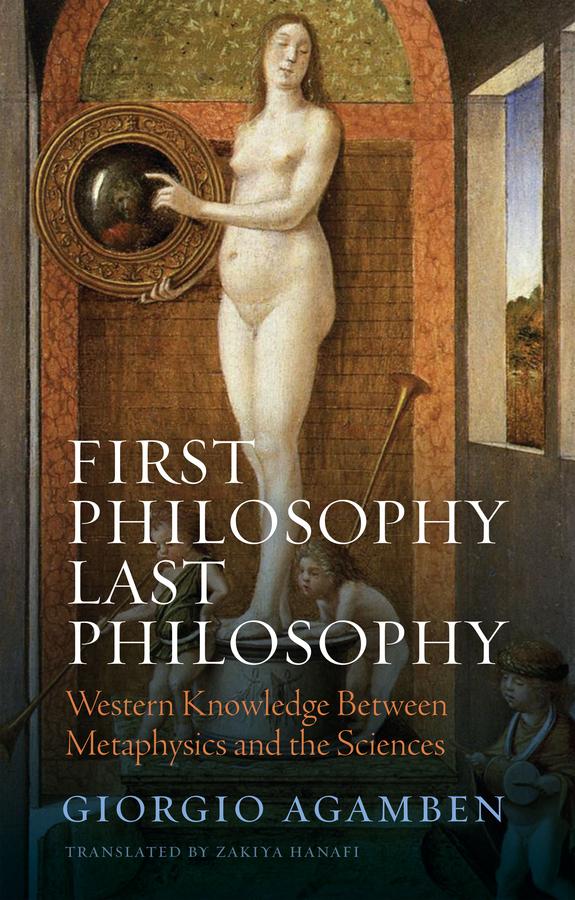
What is at stake in that form of inquiry that the western philosophical tradition has called “first philosophy” or “metaphysics”? Is it an abstract, now outmoded branch of philosophy, or does it address a problem that is still of great interest – namely the unity of western knowledge?
In fact, metaphysics is “first” only in relation to the other two sciences that Aristotle called “theoretical”: the study of nature (phusikē) and mathematics. It is the strategic sense of this “primacy” that needs to be examined, because what is at issue here is nothing less than the relationship – of domination or subservience, conflict or harmony – between philosophy and science. The hypothesis of this book is that philosophy’s attempt to use metaphysics as a way of securing primacy among the sciences has resulted instead in its subservience: philosophy, once handmaiden to theology (ancilla theologiae), has now become more or less consciously handmaiden to the sciences (ancilla scientiarum). So it is all the more urgent to explore the nature and limits of this primacy and subservience, which is what the present book does through an archaeological investigation of metaphysics.
This important rereading of the western philosophical tradition by a leading thinker will be of interest to students and scholars in philosophy, critical theory and the humanities more generally, and to anyone interested in contemporary philosophy and European thought.
Betaal eenvoudig met kaart, Klarna, Apple Pay of Google Pay. Niet tevreden? Je hebt altijd 14 dagen bedenktijd. Lees meer in onze voorwaarden. Heb je vragen, mail ons dan via hello@memmo.org.
Memmo maakt studeren makkelijker – waar je ook bent ter wereld. Wij brengen je cursusboeken en slimme studietools samen op één plek: samenvattingen, quizzen, podcasts en flashcards. En Ted, je studievriend die antwoord geeft op alles wat je je afvraagt. Meer dan 50.000 studenten studeren hier al – gebouwd om je sneller te laten leren en minder stress te geven.