
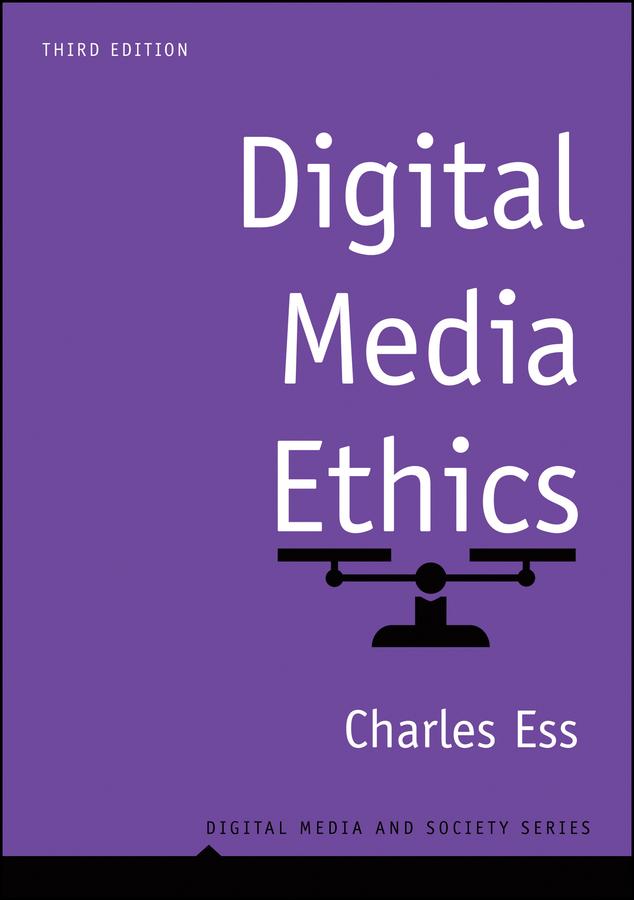
The original edition of this accessible and interdisciplinary textbook was the first to consider the ethical issues of digital media from a global, cross-cultural perspective.
This third edition has been thoroughly updated to incorporate the latest research and developments, including the rise of Big Data, AI, and the Internet of Things. The book’s case studies and pedagogical material have also been extensively revised and updated to include such watershed events as the Snowden revelations, #Gamergate, the Cambridge Analytica scandal, privacy policy developments, and the emerging Chinese Social Credit System.
New sections include “Death Online,” “Slow/Fair Technology”, and material on sexbots. The “ethical toolkit” that introduces prevailing ethical theories and their applications to the central issues of privacy, copyright, pornography and violence, and the ethics of cross-cultural communication online, has likewise been revised and expanded. Each topic and theory are interwoven throughout the volume with detailed sets of questions, additional resources, and suggestions for further research and writing. Together, these enable readers to foster careful reflection upon, writing about, and discussion of these issues and their possible resolutions.
Retaining its student- and classroom-friendly approach, Digital Media Ethics will continue to be the go-to textbook for anyone getting to grips with this important topic.
This third edition has been thoroughly updated to incorporate the latest research and developments, including the rise of Big Data, AI, and the Internet of Things. The book’s case studies and pedagogical material have also been extensively revised and updated to include such watershed events as the Snowden revelations, #Gamergate, the Cambridge Analytica scandal, privacy policy developments, and the emerging Chinese Social Credit System.
New sections include “Death Online,” “Slow/Fair Technology”, and material on sexbots. The “ethical toolkit” that introduces prevailing ethical theories and their applications to the central issues of privacy, copyright, pornography and violence, and the ethics of cross-cultural communication online, has likewise been revised and expanded. Each topic and theory are interwoven throughout the volume with detailed sets of questions, additional resources, and suggestions for further research and writing. Together, these enable readers to foster careful reflection upon, writing about, and discussion of these issues and their possible resolutions.
Retaining its student- and classroom-friendly approach, Digital Media Ethics will continue to be the go-to textbook for anyone getting to grips with this important topic.
Betaal eenvoudig met kaart, Klarna, Apple Pay of Google Pay. Niet tevreden? Je hebt altijd 14 dagen bedenktijd. Lees meer in onze voorwaarden. Heb je vragen, mail ons dan via hello@memmo.org.
Memmo maakt studeren makkelijker – waar je ook bent ter wereld. Wij brengen je cursusboeken en slimme studietools samen op één plek: samenvattingen, quizzen, podcasts en flashcards. En Ted, je studievriend die antwoord geeft op alles wat je je afvraagt. Meer dan 50.000 studenten studeren hier al – gebouwd om je sneller te laten leren en minder stress te geven.
Misschien vind je dit ook leuk
Koop het boek0