
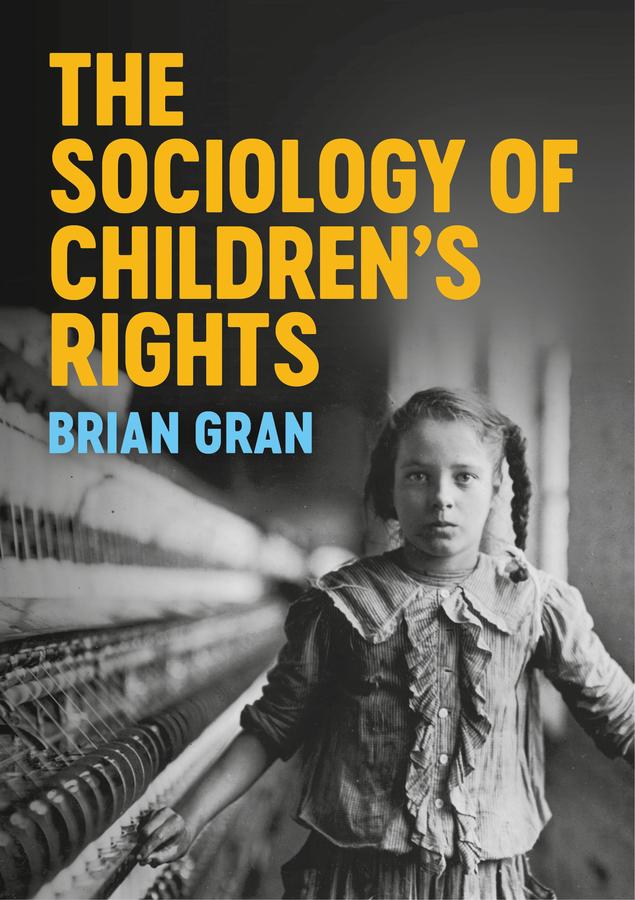
Children’s rights appear universal, inalienable, and indivisible, intended to advance young people’s interests. Yet, in practice, evidence suggests the contrary: the international framework of treaties, procedures, and national policies contains fundamental contradictions that weaken commitments to children’s real-world protections.
Brian Gran helps us understand what is at stake when children’s rights are compromised. This insightful text grounds readers in core theories and key data about children’s legal entitlements. The chapters tackle central questions about what rights accrue to young people, whether they advance equality, and how they influence children’s identities, freedoms, and societal participation. Ultimately, this book shows how current frameworks hinder young people from possessing and benefiting from human rights, arguing that they function as cynical invitations to question whether we truly believe children are endowed with human rights.
The Sociology of Children’s Rights offers a critical and accessible introduction to understanding a complex issue in the contemporary world, and is a compelling read for students and researchers concerned with human rights in sociology, political science, law, social work, and childhood studies.
Betaal eenvoudig met kaart, Klarna, Apple Pay of Google Pay. Niet tevreden? Je hebt altijd 14 dagen bedenktijd. Lees meer in onze voorwaarden. Heb je vragen, mail ons dan via hello@memmo.org.
Memmo maakt studeren makkelijker – waar je ook bent ter wereld. Wij brengen je cursusboeken en slimme studietools samen op één plek: samenvattingen, quizzen, podcasts en flashcards. En Ted, je studievriend die antwoord geeft op alles wat je je afvraagt. Meer dan 50.000 studenten studeren hier al – gebouwd om je sneller te laten leren en minder stress te geven.