
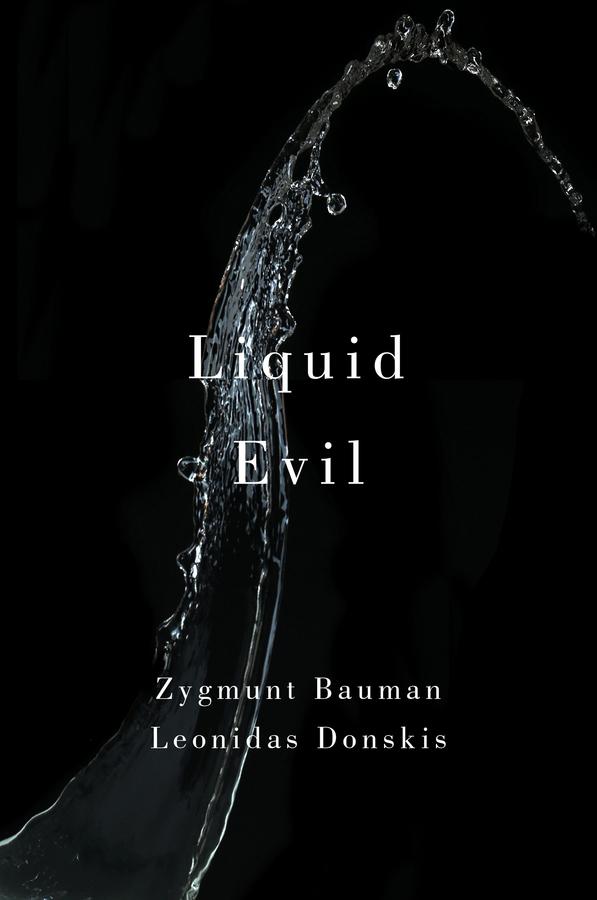
There is nothing new about evil; it has been with us since time immemorial. But there is something new about the kind of evil that characterizes our contemporary liquid-modern world. The evil that characterized earlier forms of solid modernity was concentrated in the hands of states claiming monopolies on the means of coercion and using the means at their disposal to pursue their ends ends that were at times horrifically brutal and barbaric. In our contemporary liquid-modern societies, by contrast, evil has become altogether more pervasive and at the same time less visible. Liquid evil hides in the seams of the canvass woven daily by the liquid-modern mode of human interaction and commerce, conceals itself in the very tissue of human cohabitation and in the course of its routine and day-to-day reproduction. Evil lurks in the countless black holes of a thoroughly deregulated and privatized social space in which cutthroat competition and mutual estrangement have replaced cooperation and solidarity, while forceful individualization erodes the adhesive power of inter-human bonds. In its present form evil is hard to spot, unmask and resist. It seduces us by its ordinariness and then jumps out without warning, striking seemingly at random. The result is a social world that is comparable to a minefield: we know it is full of explosives and that explosions will happen sooner or later but we have no idea when and where they will occur.
In this new book, the sequel to their acclaimed work Moral Blindness Zygmunt Bauman and Leonidas Donskis guide the reader through this new terrain in which evil has become both more ordinary and more insidious, threatening to strip humanity of its dreams, alternative projects and powers of dissent at the very time when they are needed most.
In this new book, the sequel to their acclaimed work Moral Blindness Zygmunt Bauman and Leonidas Donskis guide the reader through this new terrain in which evil has become both more ordinary and more insidious, threatening to strip humanity of its dreams, alternative projects and powers of dissent at the very time when they are needed most.
Betaal eenvoudig met kaart, Klarna, Apple Pay of Google Pay. Niet tevreden? Je hebt altijd 14 dagen bedenktijd. Lees meer in onze voorwaarden. Heb je vragen, mail ons dan via hello@memmo.org.
Memmo maakt studeren makkelijker – waar je ook bent ter wereld. Wij brengen je cursusboeken en slimme studietools samen op één plek: samenvattingen, quizzen, podcasts en flashcards. En Ted, je studievriend die antwoord geeft op alles wat je je afvraagt. Meer dan 50.000 studenten studeren hier al – gebouwd om je sneller te laten leren en minder stress te geven.
Misschien vind je dit ook leuk
Koop het boek0