
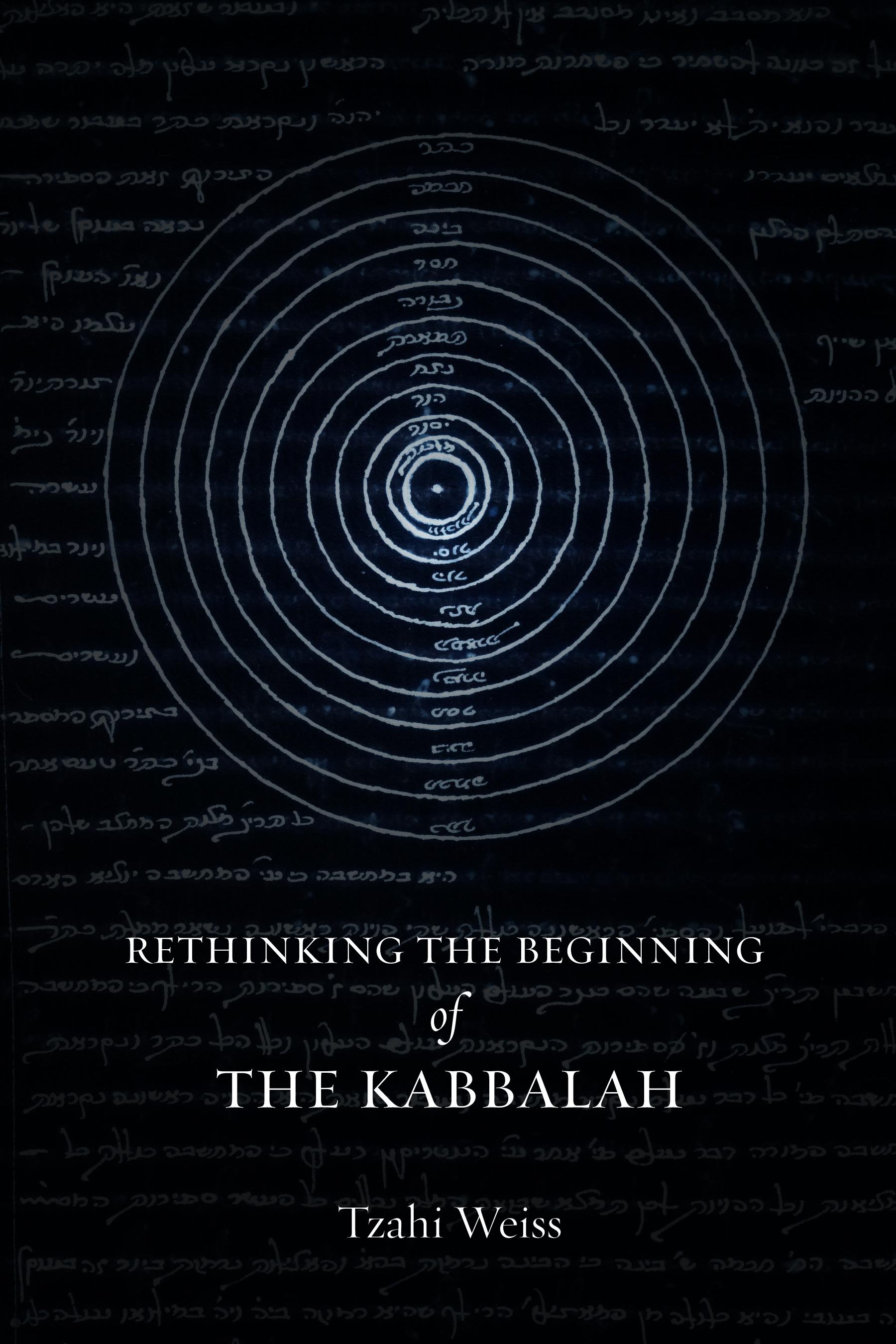
The Kabbalistic literature, with its enigmatic secrets, vivid mythical depictions, and profound mystical content, along with its exhortations and admonitions to study its contents with great caution, is acknowledged as a cornerstone of the medieval Jewish intellectual tradition. The sudden appearance of this unique body of literature at the outset of the thirteenth century captivated scholars as early as the nineteenth century, establishing itself as a central inquiry within the historiography of the Kabbalah. With this book, Tzahi Weiss reassesses the legitimacy of 'Kabbalah' as a term altogether.
In his seminal work Origins of the Kabbalah, Gershom Scholem articulated the sudden appearance of this literature as a fundamental question in the history of the Jewish religion. Weiss returns to Scholem's question, offering a comprehensive historiographic account of the beginning of the Kabbalah for the first time since Scholem. To correct the ahistorical use of the term 'Kabbalah' to describe this important body of Jewish thought, Weiss proposes that scholars of this literature focus on the more definitive and concrete phenomenon of the systems of the Sefirot. Along the way, he sheds light on the intricate tapestry of early 13th-century Jewish religious thought, unveiling a nuanced spectrum beyond the conventional dichotomy of 'Kabbalah' and 'philosophy.'
Betaal eenvoudig met kaart, Klarna, Apple Pay of Google Pay. Niet tevreden? Je hebt altijd 14 dagen bedenktijd. Lees meer in onze voorwaarden. Heb je vragen, mail ons dan via hello@memmo.org.
Memmo maakt studeren makkelijker – waar je ook bent ter wereld. Wij brengen je cursusboeken en slimme studietools samen op één plek: samenvattingen, quizzen, podcasts en flashcards. En Ted, je studievriend die antwoord geeft op alles wat je je afvraagt. Meer dan 50.000 studenten studeren hier al – gebouwd om je sneller te laten leren en minder stress te geven.