
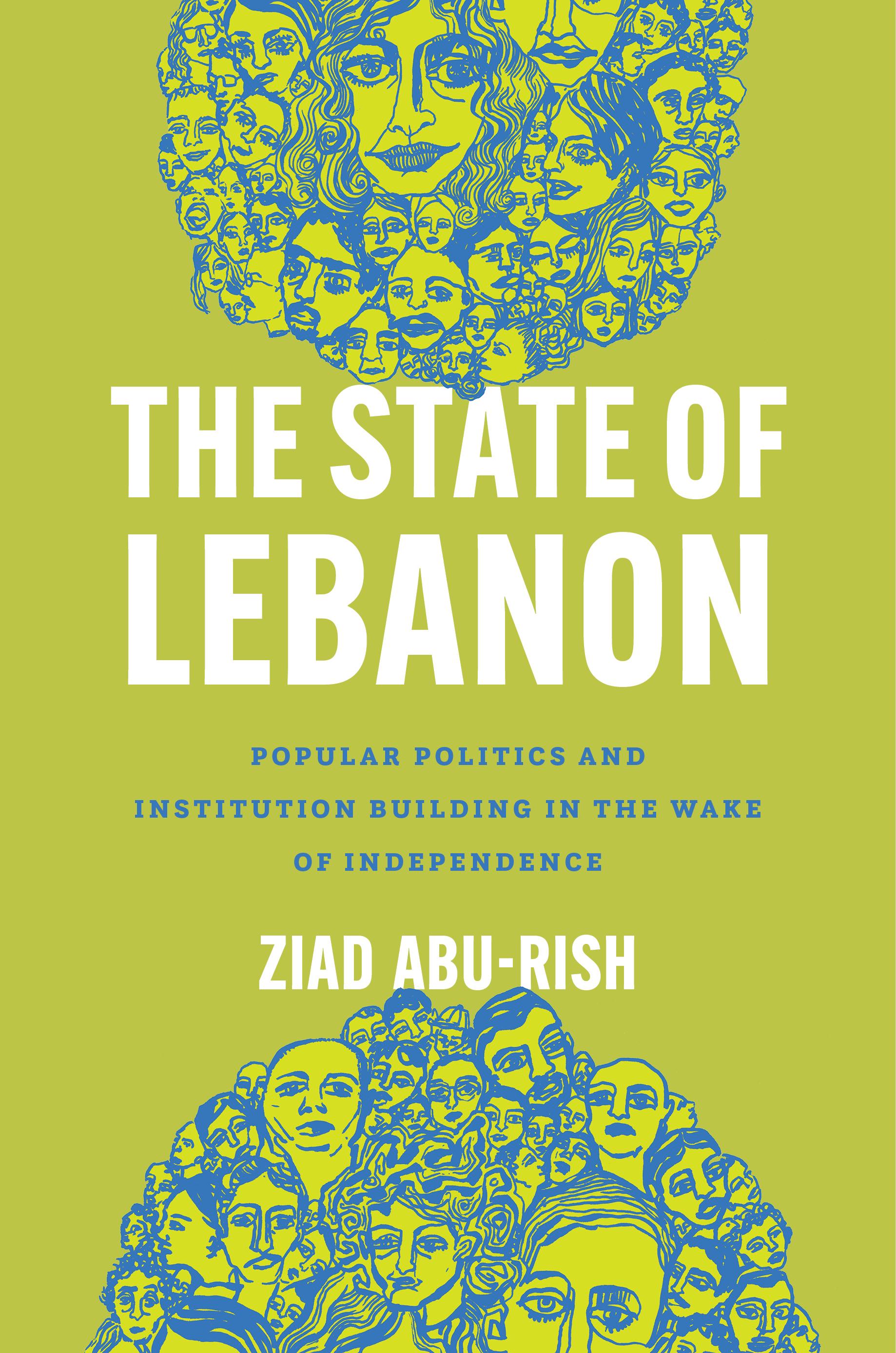
Lebanon gained its formal political independence in 1943. During the dozen years that followed, women and men across class, sectarian, geographic, and ideological divides built, challenged, and reformed the institutional arrangements that would shape the country. With this book, Ziad Abu-Rish traces shifting patterns of alliances and conflict that shaped the material and representational production of the Lebanese nation-state. Exploring labor regimes, women's suffrage, the provision of electricity in Beirut, public education, and the armed forces—and the meetings, lectures, pamphlets, delegations, and protests they produced—Abu-Rish demonstrates how elite and popular groups mobilized normative ideas about independence and state power.
The State of Lebanon offers a new social and institutional history of post-colonial Lebanon. Abu-Rish challenges common narratives of an absent, weak, or failed state. Instead, state institutional arrangements emerge as objects and subjects of political mobilization by politicians, bureaucrats, party activists, students, and workers. Rather than read history backward from the present, he approaches the past on its own terms. In so doing, Abu-Rish offers significant insights into politics, social life, and the state in Lebanon—grounded in the early post-independence period yet critical to how we understand Lebanon today.
Betaal eenvoudig met kaart, Klarna, Apple Pay of Google Pay. Niet tevreden? Je hebt altijd 14 dagen bedenktijd. Lees meer in onze voorwaarden. Heb je vragen, mail ons dan via hello@memmo.org.
Memmo maakt studeren makkelijker – waar je ook bent ter wereld. Wij brengen je cursusboeken en slimme studietools samen op één plek: samenvattingen, quizzen, podcasts en flashcards. En Ted, je studievriend die antwoord geeft op alles wat je je afvraagt. Meer dan 50.000 studenten studeren hier al – gebouwd om je sneller te laten leren en minder stress te geven.