
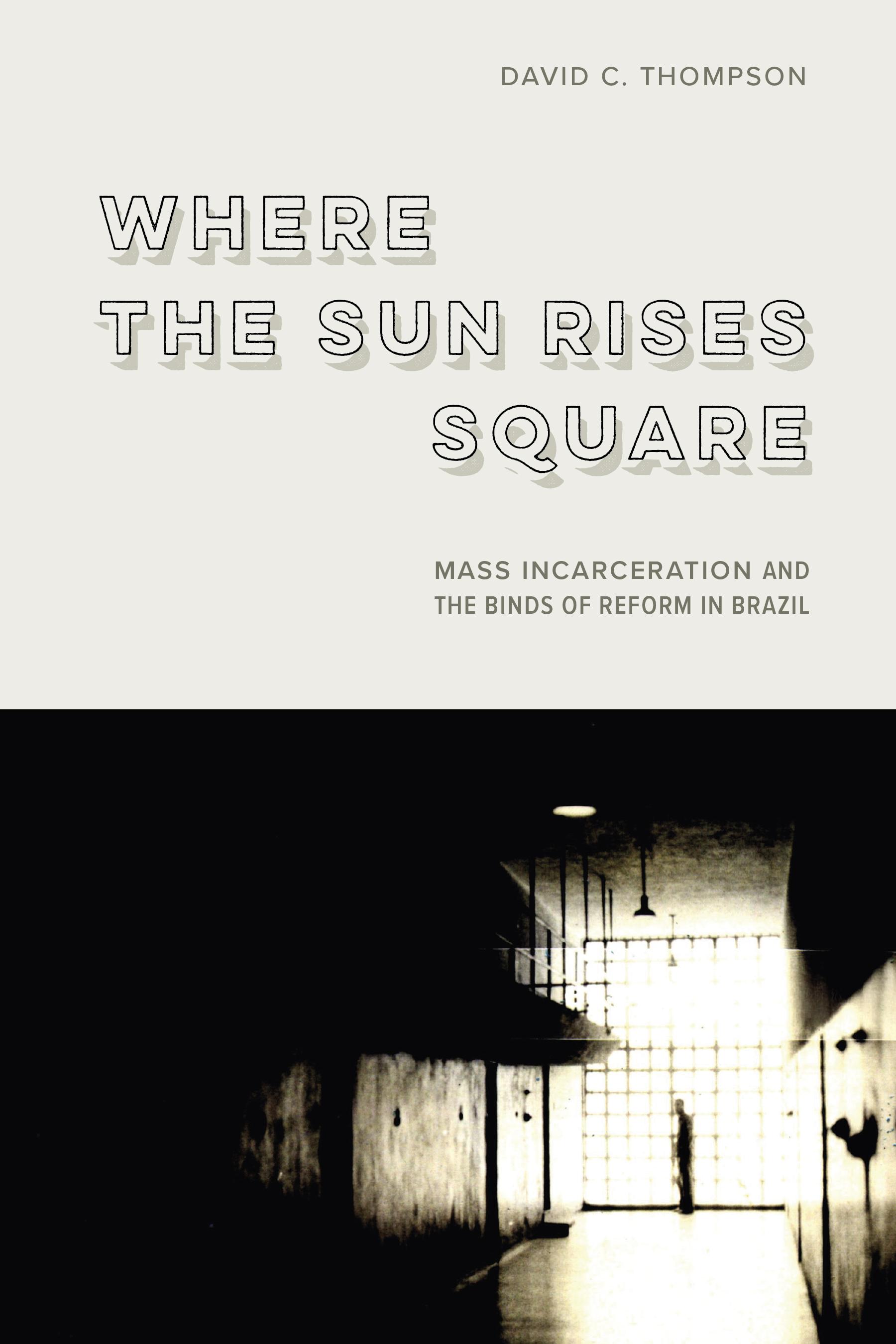
Brazil's prison population, estimated at 90,000 in 1990, has exploded to over 650,000, the third highest in the world behind the US and China. Systematically targeting poor, Black communities, Brazil's prisons have become infamous for their overcrowding and mismanagement. And yet, this landscape of punishment is built on top of a set of progressive laws that center reform as the primary aim and concern of incarceration. Every morning, when black, windowless vans carry the newly incarcerated to their destinations, they pass through prison gates emblazoned with the words, "Resocialize to Conquer the Future."
Through long-term fieldwork within the prisons of Rio de Janeiro, David Thompson investigates the legal and moral impulse to "resocialize" as it animates the prison system of Brazil. Following incarcerated people, psychologists, attorneys, and missionaries, he draws attention to the forms of prison life and governance that reform and resocialization bring forth, from parole applications and psycho-social evaluations to prison escapes. He argues these institutions are driven by a set of unfulfilled promises: the image of a reformed, future self; the insistence that a more "humane" prison is possible; the promise of Brazilian democracy itself; and the stalled project of Black emancipation. Across these domains, Thompson charts how imprisonment forces its captives to constantly navigate between the hope of reform and the weaponization of this hope against them.
Betaal eenvoudig met kaart, Klarna, Apple Pay of Google Pay. Niet tevreden? Je hebt altijd 14 dagen bedenktijd. Lees meer in onze voorwaarden. Heb je vragen, mail ons dan via hello@memmo.org.
Memmo maakt studeren makkelijker – waar je ook bent ter wereld. Wij brengen je cursusboeken en slimme studietools samen op één plek: samenvattingen, quizzen, podcasts en flashcards. En Ted, je studievriend die antwoord geeft op alles wat je je afvraagt. Meer dan 50.000 studenten studeren hier al – gebouwd om je sneller te laten leren en minder stress te geven.