
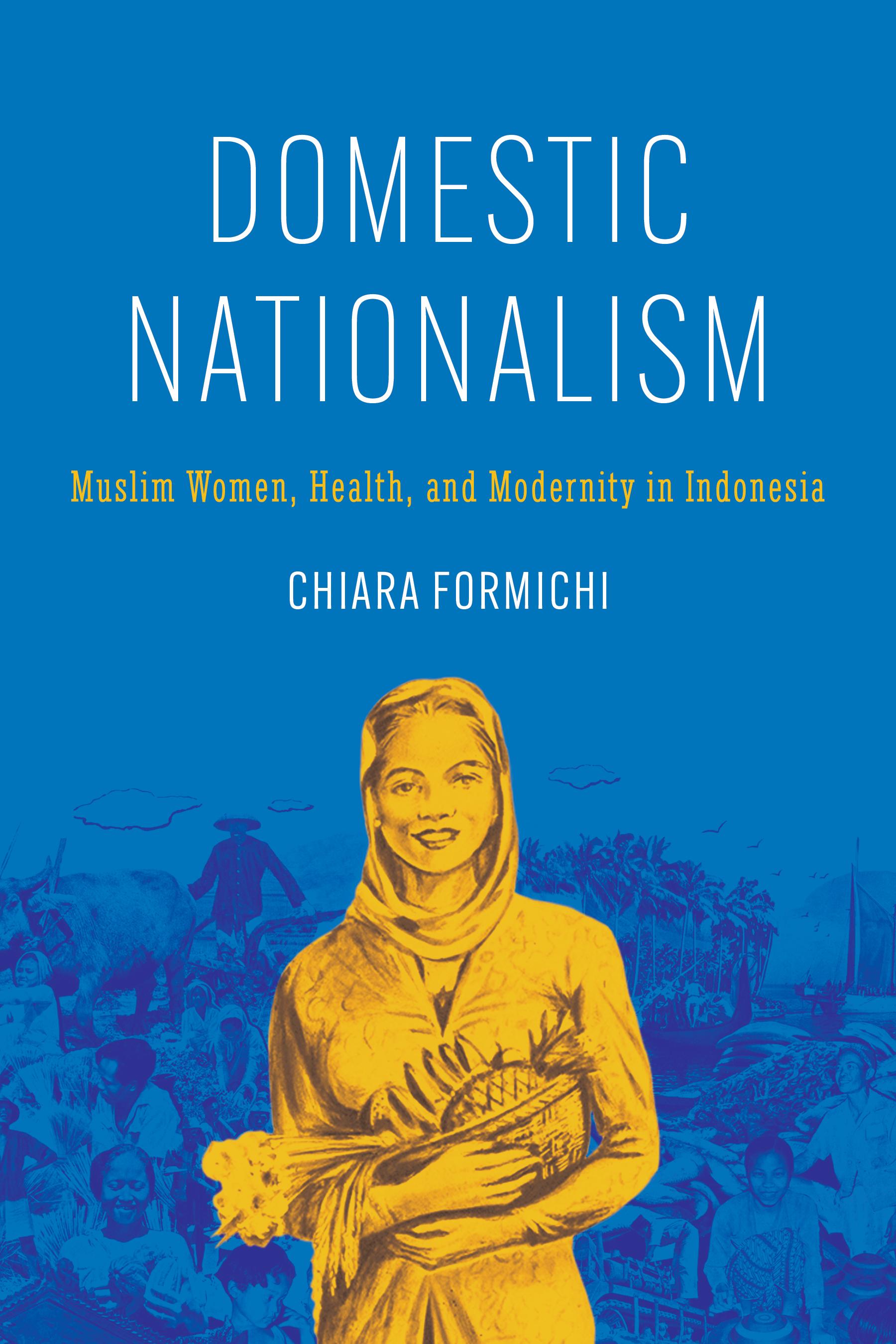
Chiara Formichi argues that Muslim women in Java and Sumatra, from the late 1910s to the 1950s, were central to Indonesia's progress as guardians and promoters of health and piety through gendered activities of care work. While sidelined in the Dutch colonial project of hygienic modernity, women's labor of social reproduction became increasingly visible. Women from all walks of life were called upon to fulfill domestic and motherly roles for the production and socialization of laborers, soldiers, and citizens. The medicalization of cleanliness, intersecting with multiple patriarchal orders, marginalized women's traditional influence and knowledge. However, leveraging the critical importance of infant care, cleanliness, and nutrition, women pushed against the boundaries imposed on them by the colonial and postcolonial state.
Largely absent from government archives, their words and acts are evident in vernacular magazines and visual sources drawn from official outreach, news and lifestyle media, and advertisements. Women writers rearticulated scientific mothering, nationalist maternalism, and Islamic ideals of motherhood to create a public voice through gendered care work. Domestic Nationalism proposes that as the modern Indonesian nation-state took shape capitalizing on the public function of mothering, so did homemaking become a crossroads of national and international approaches to development, blurring nonaligned self-reliance and global capitalist interests.
Betaal eenvoudig met kaart, Klarna, Apple Pay of Google Pay. Niet tevreden? Je hebt altijd 14 dagen bedenktijd. Lees meer in onze voorwaarden. Heb je vragen, mail ons dan via hello@memmo.org.
Memmo maakt studeren makkelijker – waar je ook bent ter wereld. Wij brengen je cursusboeken en slimme studietools samen op één plek: samenvattingen, quizzen, podcasts en flashcards. En Ted, je studievriend die antwoord geeft op alles wat je je afvraagt. Meer dan 50.000 studenten studeren hier al – gebouwd om je sneller te laten leren en minder stress te geven.