
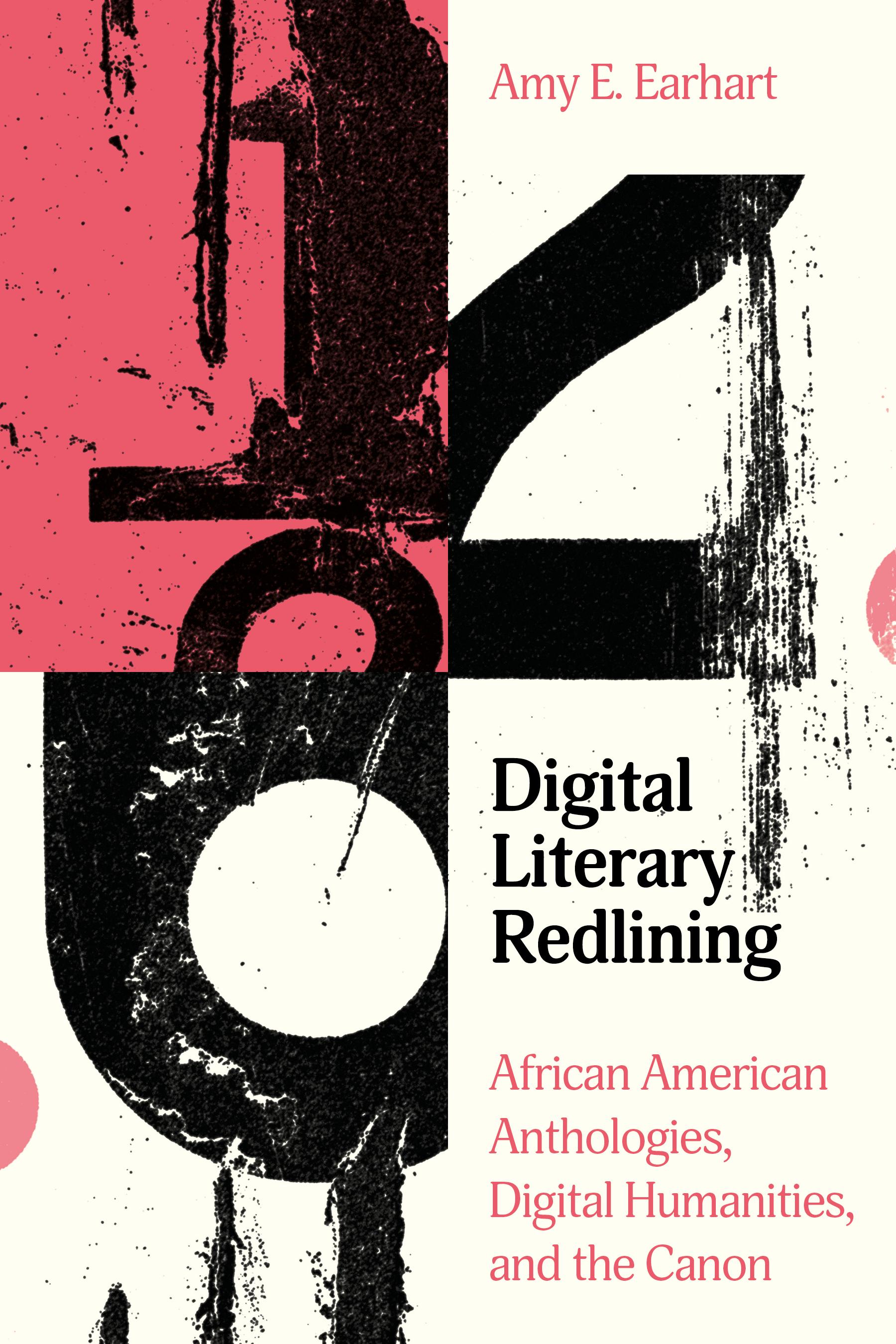
Though canon concerns seem to be a relic of 1990s academia, we are, once again, at a historical moment when there is resistance to teaching texts by writers of color and texts that deal with race, ethnicity and gender. At the same time, algorithmic bias scholars are locating systemic bias encoded into systems from policing software to housing software. Bringing these divergent areas together, Amy E. Earhart examines how technological and institutional infrastructures construct and deconstruct race, ethnicity and gender identities.
Focusing on two central infrastructures, the database, a commonly used technological infrastructure in the digital humanities, and the anthology, a scholarly and pedagogical infrastructure, Earhart considers how such seemingly naturalized infrastructures impact the representation and modeling of identity. The book draws upon the building and use of DALA, a collection of almost 100 years of generalist American and African American literature anthologies, constructed to investigate questions of identity and representation in literary anthologies and, by extension, the larger literary canon. The resulting examination, and its rigorous discussion of how identities are created and recreated within Black literary histories, has important implications for contemporary cultural and political debates about canon formation, literary scholarship, and the bias embedded in technological infrastructures.
Betaal eenvoudig met kaart, Klarna, Apple Pay of Google Pay. Niet tevreden? Je hebt altijd 14 dagen bedenktijd. Lees meer in onze voorwaarden. Heb je vragen, mail ons dan via hello@memmo.org.
Memmo maakt studeren makkelijker – waar je ook bent ter wereld. Wij brengen je cursusboeken en slimme studietools samen op één plek: samenvattingen, quizzen, podcasts en flashcards. En Ted, je studievriend die antwoord geeft op alles wat je je afvraagt. Meer dan 50.000 studenten studeren hier al – gebouwd om je sneller te laten leren en minder stress te geven.