
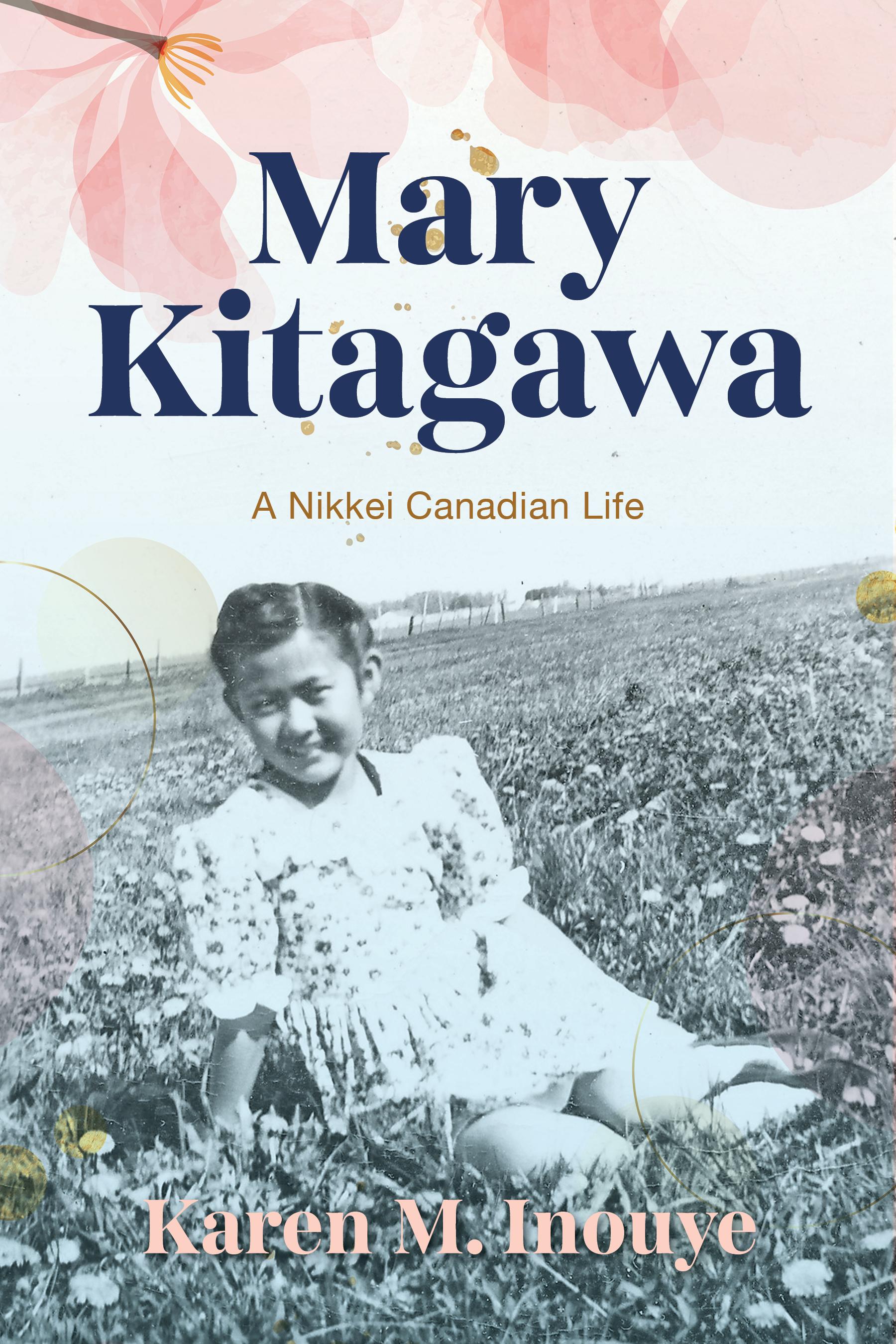
This book tells the story of Japanese Canadian activist Mary Kitagawa. In the aftermath of the Pearl Harbor bombing, Mary was one of roughly 22,000 Nikkei uprooted from their homes on the Pacific coast and forbidden to return to western British Columbia until long after World War II had officially ended. In the decades that followed, Mary and her family navigated financial precarity and ostracism, but also found ways to pursue both economic stability and political engagement. Beginning with Mary's grandparents, who were among the earliest immigrants to Canada from Japan, this book tracks the family's experiences—and those of the larger Nikkei Canadian community—from the late 1800s to the present.
Concentrating on the interpersonal and intergenerational bonds that shaped Kitagawa, Karen M. Inouye describes the increasingly activist sensibilities that arose from transformative relationships—with family members, other members of the Nikkei Canadian community, Doukhobors, First Nations peoples, and white allies—as well as in response to the anti-Asian racism that Kitagawa encountered in many forms throughout her life. Inouye presents the Nikkei Canadian experience not as a linear triumph over a single adversity, but as a continual process of identity formation in relation to obstacles and opportunities, suffering and joy, isolation and connection.
Betaal eenvoudig met kaart, Klarna, Apple Pay of Google Pay. Niet tevreden? Je hebt altijd 14 dagen bedenktijd. Lees meer in onze voorwaarden. Heb je vragen, mail ons dan via hello@memmo.org.
Memmo maakt studeren makkelijker – waar je ook bent ter wereld. Wij brengen je cursusboeken en slimme studietools samen op één plek: samenvattingen, quizzen, podcasts en flashcards. En Ted, je studievriend die antwoord geeft op alles wat je je afvraagt. Meer dan 50.000 studenten studeren hier al – gebouwd om je sneller te laten leren en minder stress te geven.