
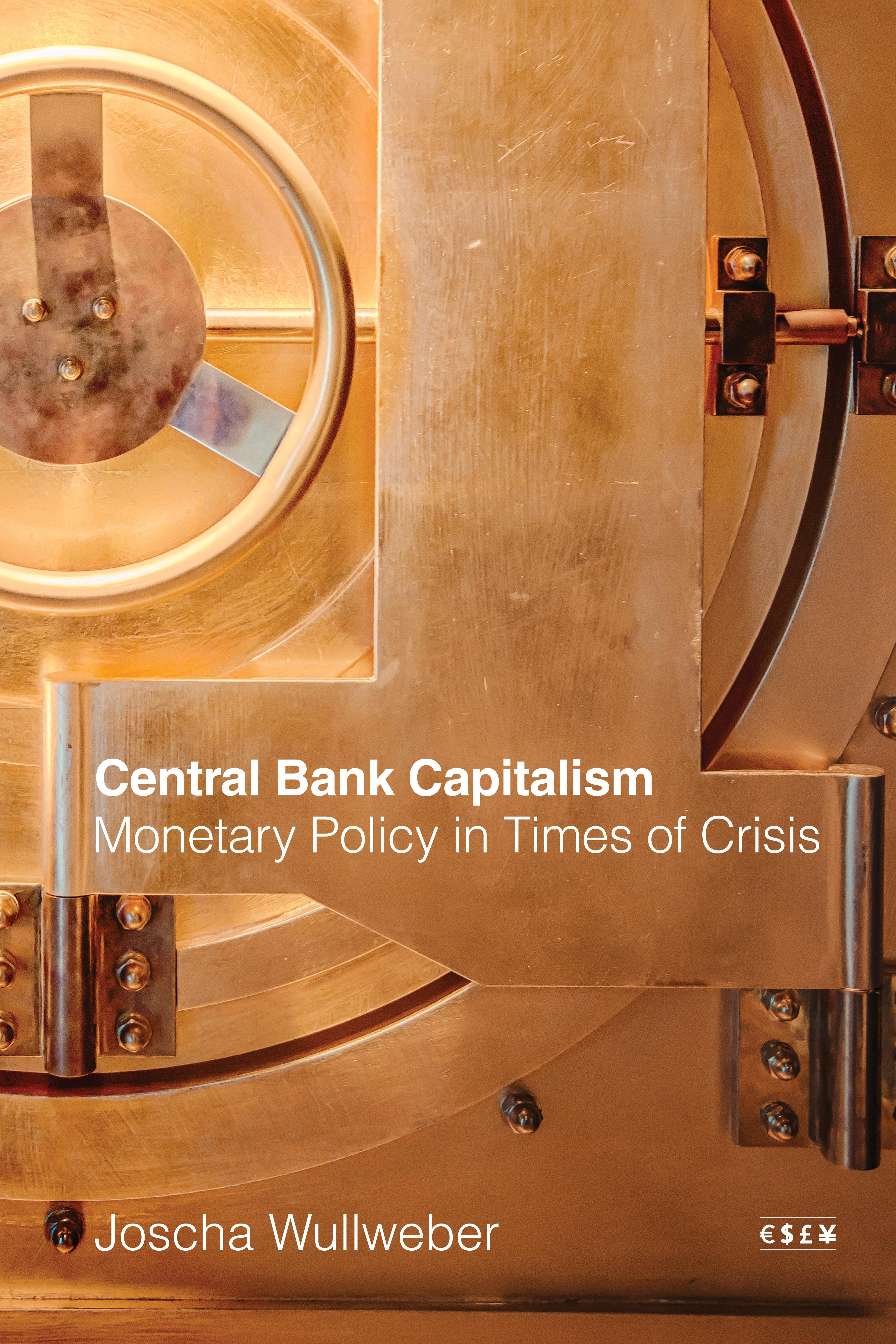
Today's global financial system bears little resemblance to what it was at the end of the twentieth century. Shadow banking—financial activity taking place outside existing regulatory frameworks—has grown so important that it now serves as the backbone of the entire system. The shadow banking system, however, is highly unstable and the main reason why the financial system has remained in crisis mode since the 2008 financial crisis. To maintain stability, central banks like the Fed and the European Central Bank have come to use radical new monetary policy instruments which were inconceivable until very recently. Without intervention on the part of central banks, existing financial systems would completely collapse.
As Joscha Wullweber shows, there has been a radical change in the state-market nexus. With governments refraining from strong and comprehensive fiscal and financial regulatory policies, central banks have become the main stabilizing force and the nodal point of financial circulation. These overburdened institutions are called on to make near-daily interventions to avert crisis. Wullweber calls this historic phase central bank capitalism. His book offers a lucid account of our current state of permanent crisis with its new dilemmas and paradoxes that pose enormous challenges to financial and economic stability.
Betaal eenvoudig met kaart, Klarna, Apple Pay of Google Pay. Niet tevreden? Je hebt altijd 14 dagen bedenktijd. Lees meer in onze voorwaarden. Heb je vragen, mail ons dan via hello@memmo.org.
Memmo maakt studeren makkelijker – waar je ook bent ter wereld. Wij brengen je cursusboeken en slimme studietools samen op één plek: samenvattingen, quizzen, podcasts en flashcards. En Ted, je studievriend die antwoord geeft op alles wat je je afvraagt. Meer dan 50.000 studenten studeren hier al – gebouwd om je sneller te laten leren en minder stress te geven.