
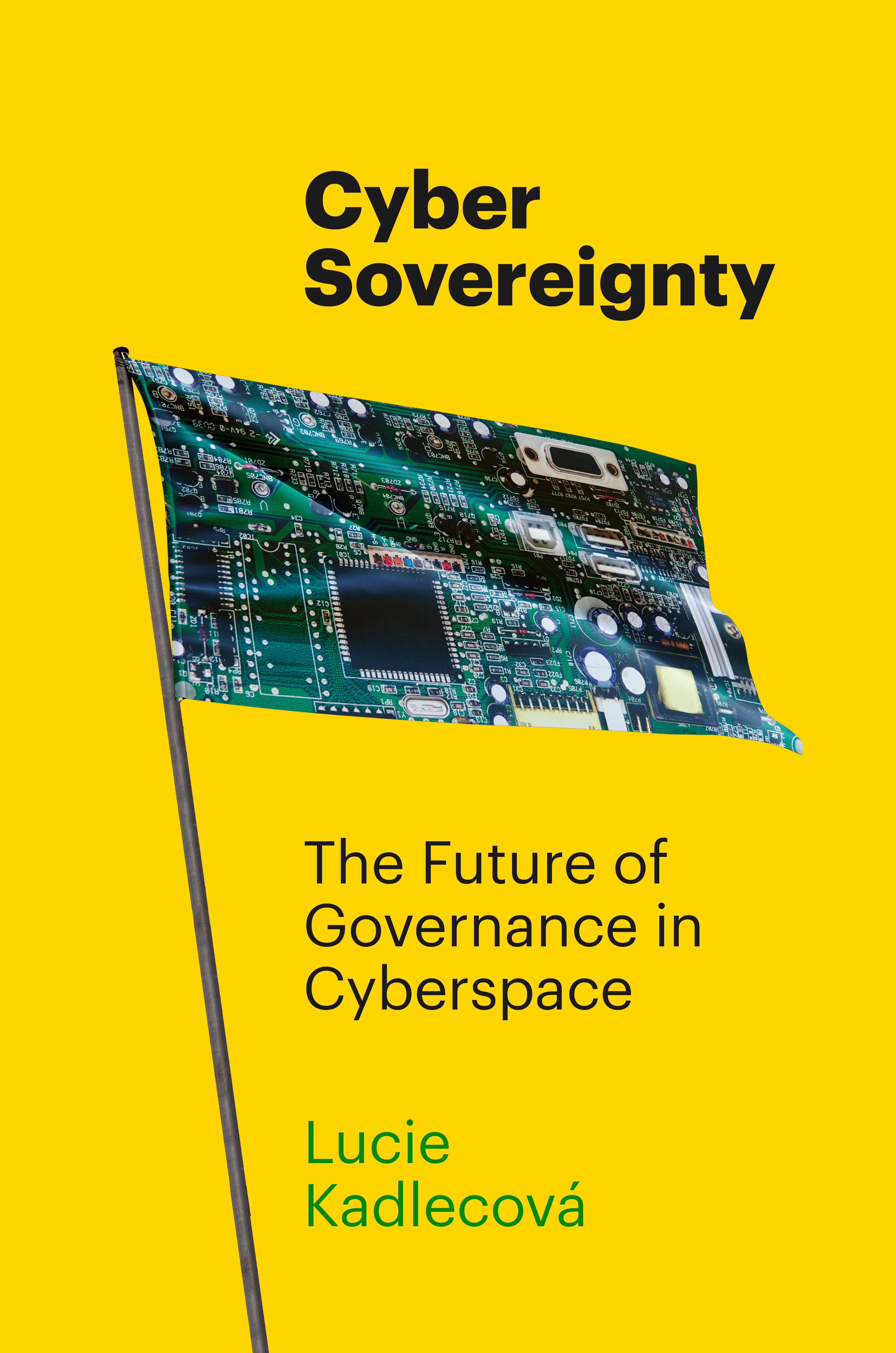
Governments across the globe find themselves in an exploratory phase as they probe the limits of their sovereignty in the cyber domain. Cyberspace is a singular environment that is forcing states to adjust their behavior to fit a new arena beyond the four traditional domains (air, sea, space, and land) to which the classic understanding of state sovereignty applies. According to Lucie Kadlecová, governments must implement a more adaptive approach to keep up with rapid developments and innovations in cyberspace in order to truly retain their sovereignty. This requires understanding the concept of sovereignty in a more creative and flexible manner.
Kadlecová argues that the existence of sovereignty in cyberspace is the latest remarkable stage in the evolution of this concept. Through a close study of the most advanced transatlantic cases of state sovereignty in cyberspace—the Netherlands, the US, Estonia, and Turkey—Cyber Sovereignty reveals how states have pursued new methods and tactics to fuel the distribution of authority and control in the cyber field, imaginatively combining modern technologies with legal frameworks. In times of booming competition over cyber governance between democracies and authoritarian regimes worldwide, cyber sovereignty is a major topic of interest, and concern, for the international community.
Betaal eenvoudig met kaart, Klarna, Apple Pay of Google Pay. Niet tevreden? Je hebt altijd 14 dagen bedenktijd. Lees meer in onze voorwaarden. Heb je vragen, mail ons dan via hello@memmo.org.
Memmo maakt studeren makkelijker – waar je ook bent ter wereld. Wij brengen je cursusboeken en slimme studietools samen op één plek: samenvattingen, quizzen, podcasts en flashcards. En Ted, je studievriend die antwoord geeft op alles wat je je afvraagt. Meer dan 50.000 studenten studeren hier al – gebouwd om je sneller te laten leren en minder stress te geven.