
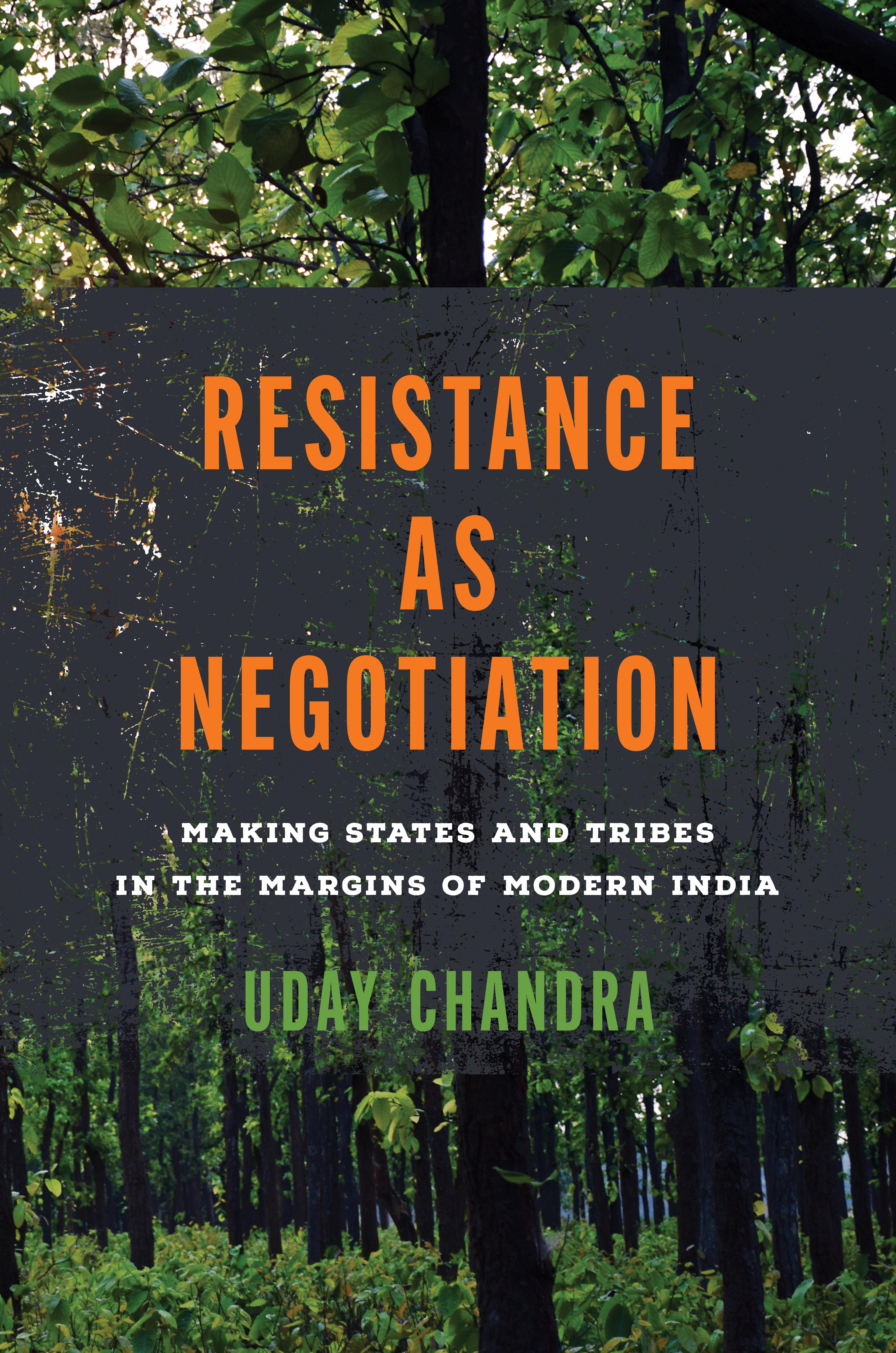
"Tribes" appear worldwide today as vestiges of a pre-modern past at odds with the workings of modern states. Acts of resistance and rebellion by groups designated as "tribal" have fascinated as well as perplexed administrators and scholars in South Asia and beyond. Tribal resistance and rebellion are held to be tragic yet heroic political acts by "subaltern" groups confronting omnipotent states. By contrast, this book draws on fifteen years of archival and ethnographic research to argue that statemaking is intertwined inextricably with the politics of tribal resistance in the margins of modern India.
Uday Chandra demonstrates how the modern Indian state and its tribal or adivasi subjects have made and remade each other throughout the colonial and postcolonial eras, historical processes of modern statemaking shaping and being shaped by myriad forms of resistance by tribal subjects. Accordingly, tribal resistance, whether peaceful or violent, is better understood vis-à-vis negotiations with the modern state, rather than its negation, over the past two centuries. How certain people and places came to be seen as "tribal" in modern India is, therefore, tied intimately to how "tribal" subjects remade their customs and community in the course of negotiations with colonial and postcolonial states. Ultimately, the empirical material unearthed in this book requires rethinking and rewriting the political history of modern India from its "tribal" margins.
Betaal eenvoudig met kaart, Klarna, Apple Pay of Google Pay. Niet tevreden? Je hebt altijd 14 dagen bedenktijd. Lees meer in onze voorwaarden. Heb je vragen, mail ons dan via hello@memmo.org.
Memmo maakt studeren makkelijker – waar je ook bent ter wereld. Wij brengen je cursusboeken en slimme studietools samen op één plek: samenvattingen, quizzen, podcasts en flashcards. En Ted, je studievriend die antwoord geeft op alles wat je je afvraagt. Meer dan 50.000 studenten studeren hier al – gebouwd om je sneller te laten leren en minder stress te geven.