
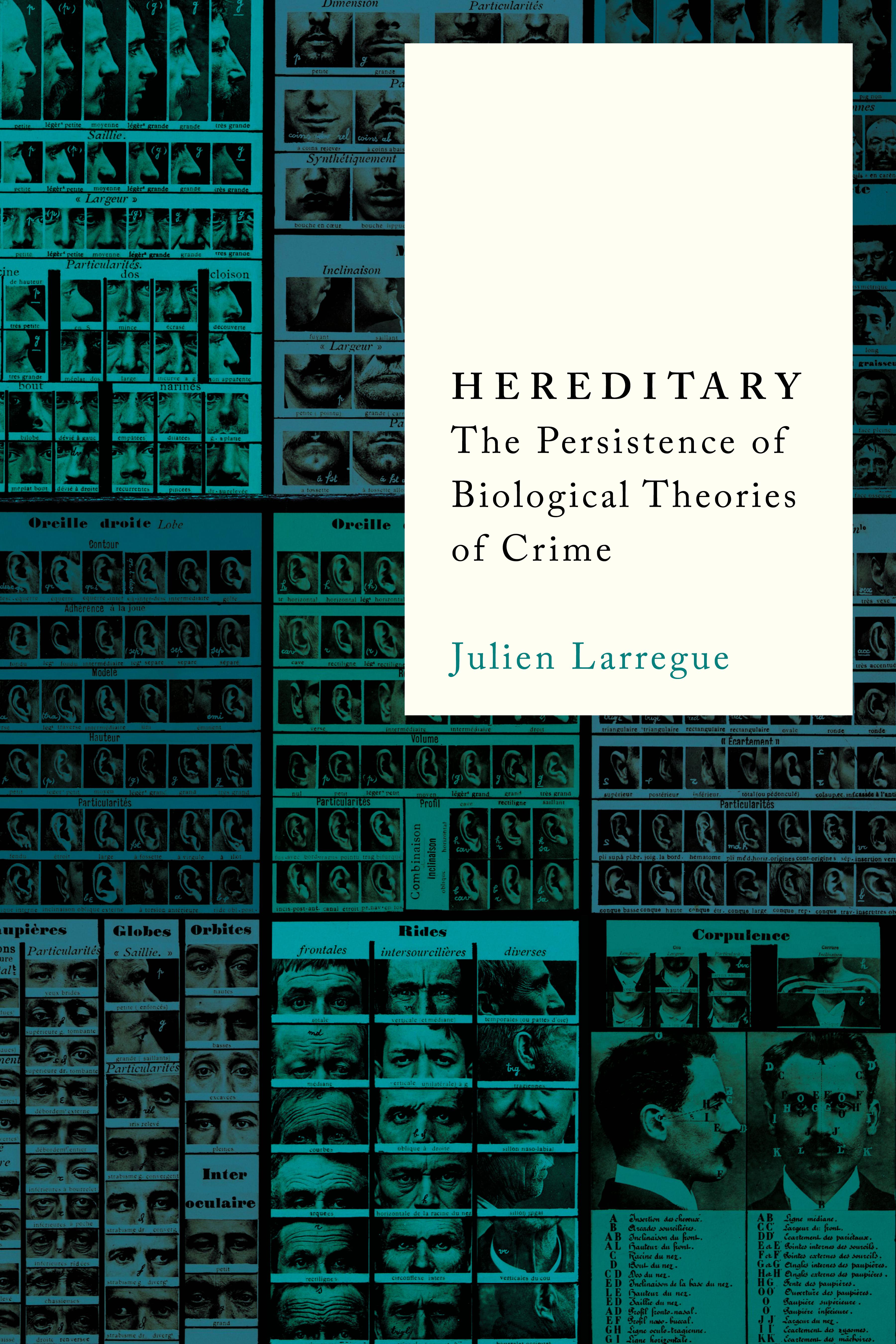
Since the 1990s, a growing number of criminal courts around the world have been using expert assessments based on behavioral genetics and neuroscience to evaluate the responsibility and dangerousness of offenders. Despite this rapid circulation, however, we still know very little about the scientific knowledge underlying these expert evaluations. Hereditary traces the historical development of biosocial criminology in the United States from the 1960s to the present, showing how the fate of this movement is intimately linked to that of the field of criminology as a whole. In claiming to identify the biological and environmental causes of so-called "antisocial" behaviors, biosocial criminologists are redefining the boundary between the normal and the pathological. Julien Larregue examines what is at stake in the development of biosocial criminology. Beyond the origins of delinquency, Larregue addresses the reconfiguration of expertise in contemporary societies, and in particular the territorial struggles between the medical and legal professions. For if the causes of crime are both biological and social, its treatment may call for medical as well as legal solutions.
Betaal eenvoudig met kaart, Klarna, Apple Pay of Google Pay. Niet tevreden? Je hebt altijd 14 dagen bedenktijd. Lees meer in onze voorwaarden. Heb je vragen, mail ons dan via hello@memmo.org.
Memmo maakt studeren makkelijker – waar je ook bent ter wereld. Wij brengen je cursusboeken en slimme studietools samen op één plek: samenvattingen, quizzen, podcasts en flashcards. En Ted, je studievriend die antwoord geeft op alles wat je je afvraagt. Meer dan 50.000 studenten studeren hier al – gebouwd om je sneller te laten leren en minder stress te geven.