
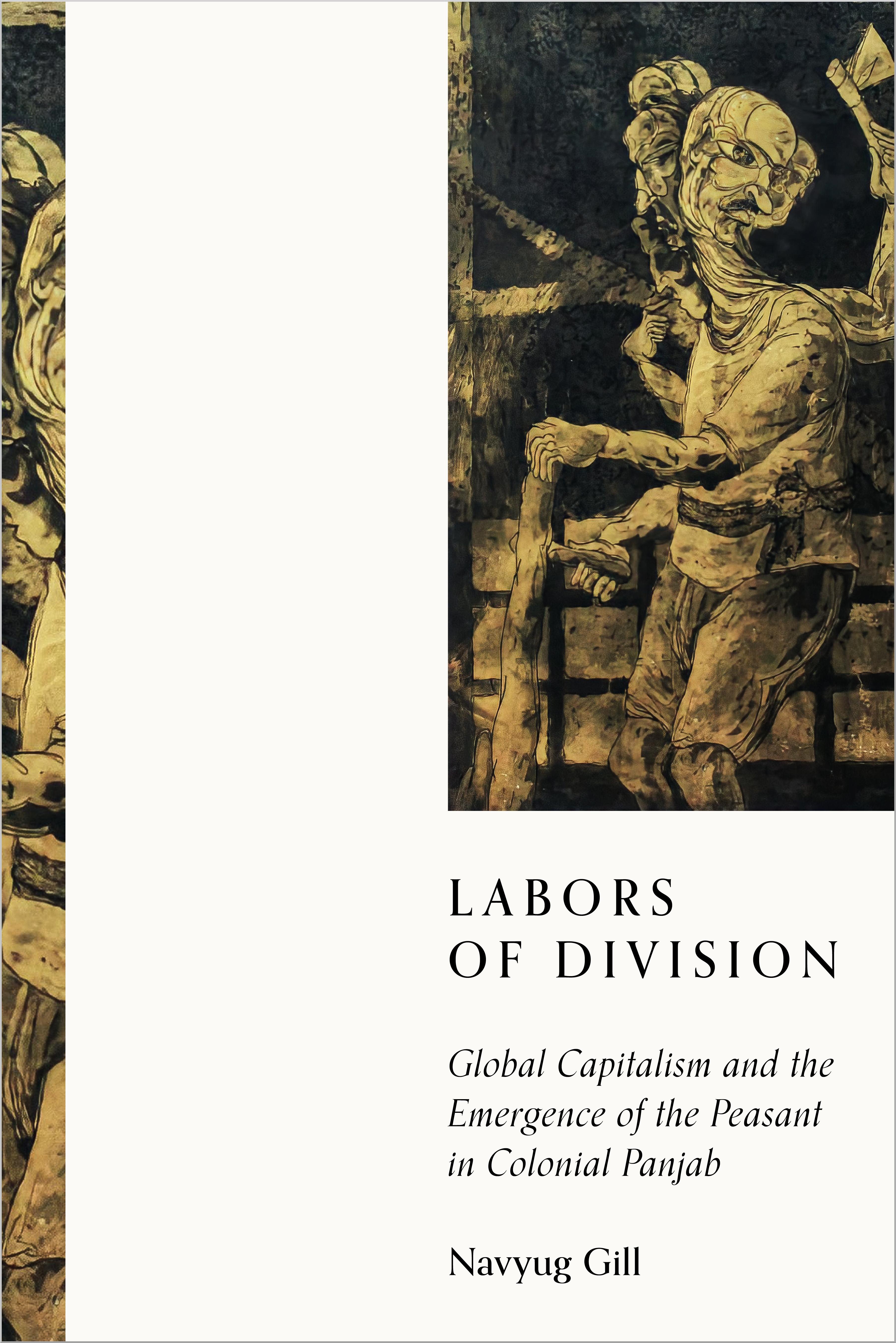
One of the most durable figures in modern history, the peasant has long been a site of intense intellectual and political debate. Yet underlying much of this literature is the assumption that peasants simply existed everywhere, a general if not generic group, traced backward from modernity to antiquity. Focused on the transformation of Panjab during the nineteenth and early twentieth centuries, this book accounts for the colonial origins of global capitalism through a radical history of the concept of "the peasant," demonstrating how seemingly fixed hierarchies were in fact produced, legitimized, and challenged within the preeminent agricultural region of South Asia. Navyug Gill uncovers how and why British officials and ascendant Panjabis disrupted existing forms of identity and occupation to generate a new agrarian order in the countryside. The notion of the hereditary caste peasant engaged in timeless cultivation thus emerged, paradoxically, as a result of a dramatic series of conceptual, juridical, and monetary divisions.
Far from archaic relics, this book ultimately reveals both the landowning peasant and landless laborer to be novel political subjects forged through the encounter between colonialism and struggles over culture and capital within Panjabi society. Questions of progress, exploitation and knowledge come to animate the vernacular operations of power. With this history, Gill brings difference and contingency to understandings of the global past in order to re-think the itinerary of comparative political economy as well as alternative possibilities for emancipatory futures.
Betaal eenvoudig met kaart, Klarna, Apple Pay of Google Pay. Niet tevreden? Je hebt altijd 14 dagen bedenktijd. Lees meer in onze voorwaarden. Heb je vragen, mail ons dan via hello@memmo.org.
Memmo maakt studeren makkelijker – waar je ook bent ter wereld. Wij brengen je cursusboeken en slimme studietools samen op één plek: samenvattingen, quizzen, podcasts en flashcards. En Ted, je studievriend die antwoord geeft op alles wat je je afvraagt. Meer dan 50.000 studenten studeren hier al – gebouwd om je sneller te laten leren en minder stress te geven.