
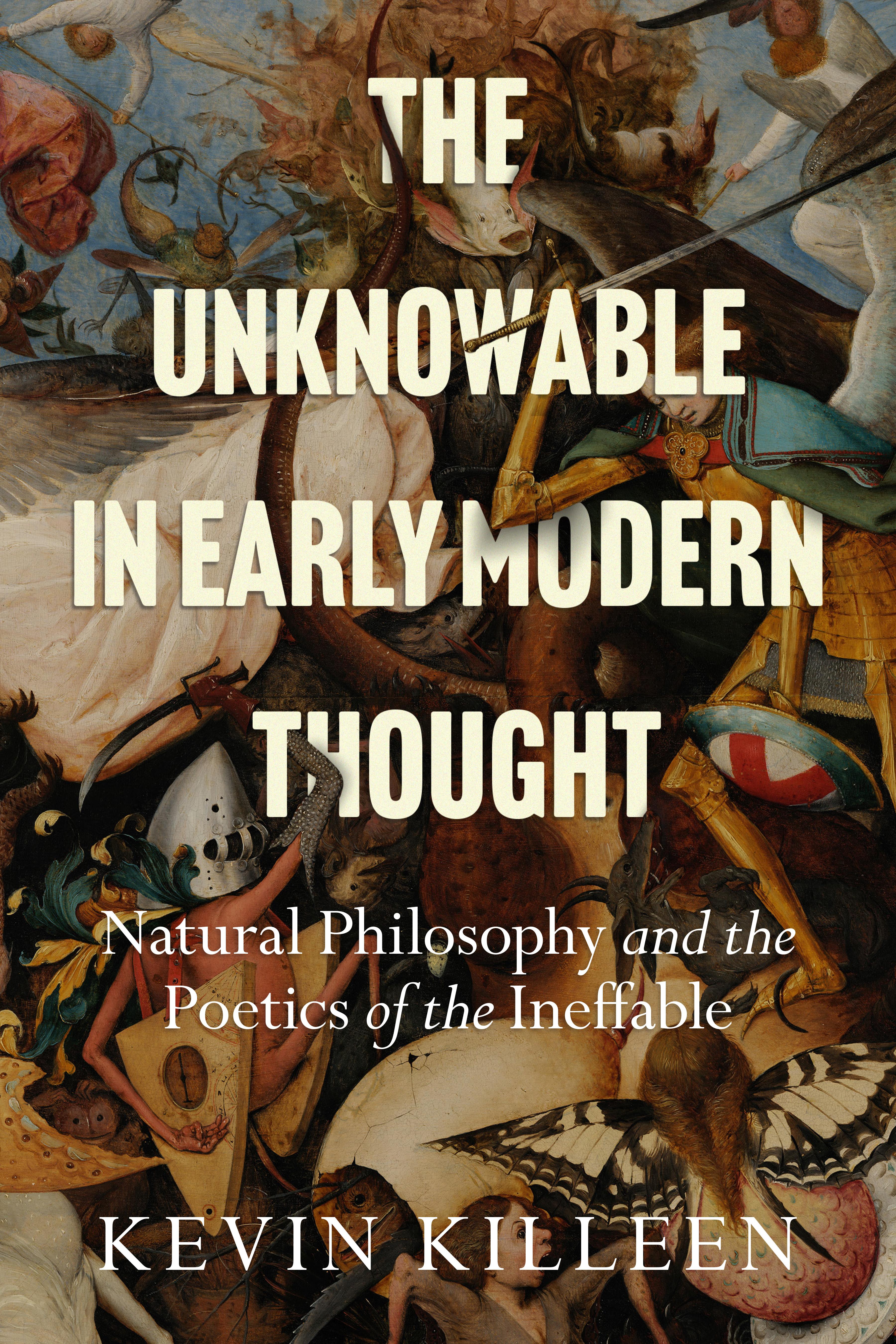
Early modern thought was haunted by the unknowable character of the fallen world. The sometimes brilliant and sometimes baffling fusion of theological and scientific ideas in the era, as well as some of its greatest literature, responds to this sense that humans encountered only an incomplete reality.
Ranging from Paradise Lost to thinkers in and around the Royal Society and commentary on the Book of Job, The Unknowable in Early Modern Thought explores how the era of the scientific revolution was in part paralyzed by and in part energized by the paradox it encountered in thinking about the elusive nature of God and the unfathomable nature of the natural world. Looking at writers with scientific, literary and theological interests, from the shoemaker mystic, Jacob Boehme to John Milton, from Robert Boyle to Margaret Cavendish, and from Thomas Browne to the fiery prophet, Anna Trapnel, Kevin Killeen shows how seventeenth-century writings redeployed the rich resources of the ineffable and the apophatic—what cannot be said, except in negative terms—to think about natural philosophy and the enigmas of the natural world.
Betaal eenvoudig met kaart, Klarna, Apple Pay of Google Pay. Niet tevreden? Je hebt altijd 14 dagen bedenktijd. Lees meer in onze voorwaarden. Heb je vragen, mail ons dan via hello@memmo.org.
Memmo maakt studeren makkelijker – waar je ook bent ter wereld. Wij brengen je cursusboeken en slimme studietools samen op één plek: samenvattingen, quizzen, podcasts en flashcards. En Ted, je studievriend die antwoord geeft op alles wat je je afvraagt. Meer dan 50.000 studenten studeren hier al – gebouwd om je sneller te laten leren en minder stress te geven.