
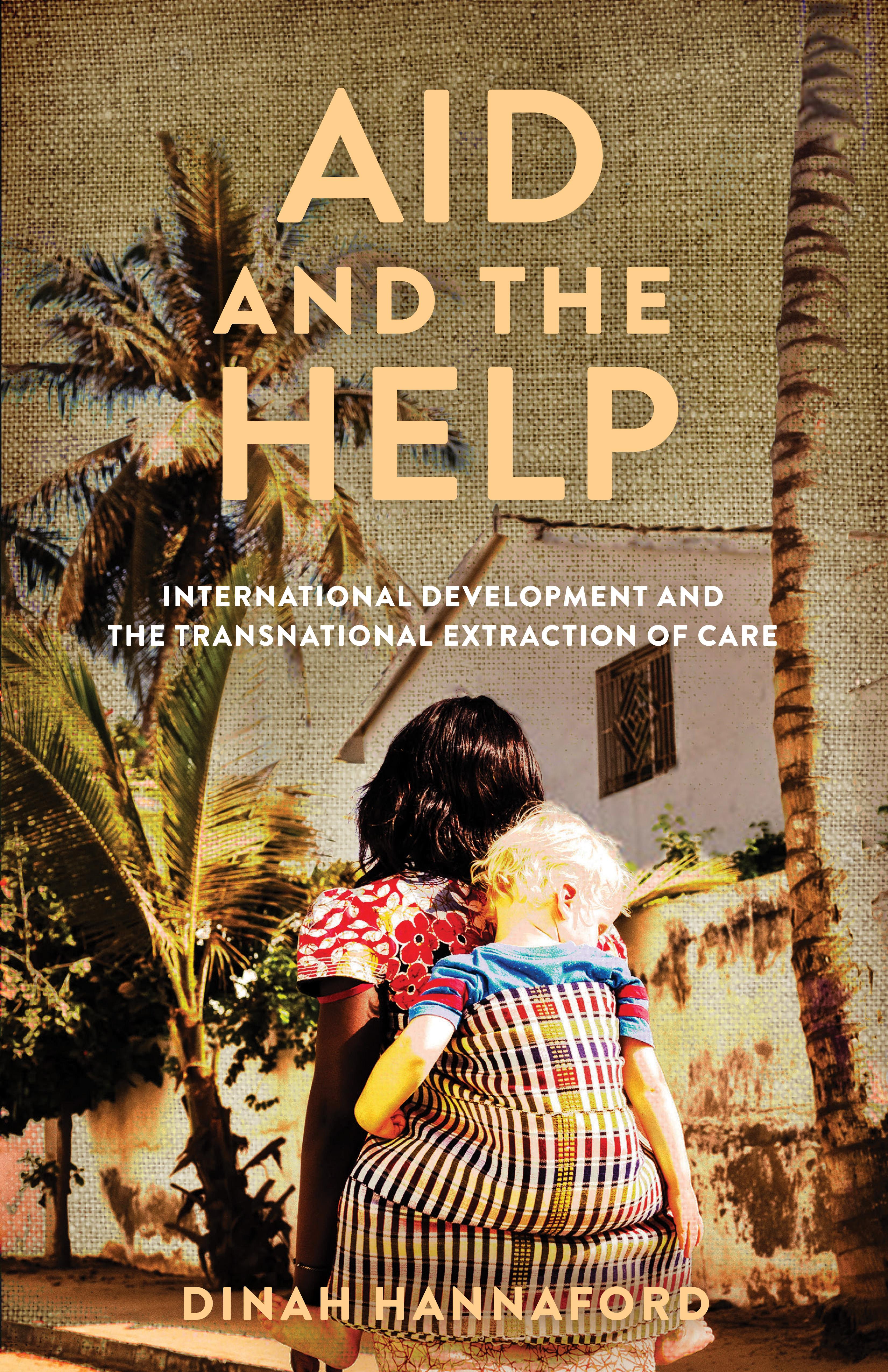
Hiring domestic workers is a routine part of the expat development lifestyle. Whether working for the United Nations, governmental aid agencies, or NGOs such as Oxfam, Save the Children, or World Vision, expatriate aid workers in the developing world employ maids, nannies, security guards, gardeners and chauffeurs. Though nearly every expat aid worker in the developing world has local people working within the intimate sphere of their homes, these relationships are seldom, if ever, discussed in analyses of the development paradigm and its praxis. Aid and the Help addresses this major lacuna through an ethnographic analysis of the intersection of development work and domestic work. Examining the reproductive labor cheaply purchased by aid workers posted overseas opens the opportunity to assess the multiple ways that the ostensibly "giving" industry of development can be an extractive industry as well.
Betaal eenvoudig met kaart, Klarna, Apple Pay of Google Pay. Niet tevreden? Je hebt altijd 14 dagen bedenktijd. Lees meer in onze voorwaarden. Heb je vragen, mail ons dan via hello@memmo.org.
Memmo maakt studeren makkelijker – waar je ook bent ter wereld. Wij brengen je cursusboeken en slimme studietools samen op één plek: samenvattingen, quizzen, podcasts en flashcards. En Ted, je studievriend die antwoord geeft op alles wat je je afvraagt. Meer dan 50.000 studenten studeren hier al – gebouwd om je sneller te laten leren en minder stress te geven.