
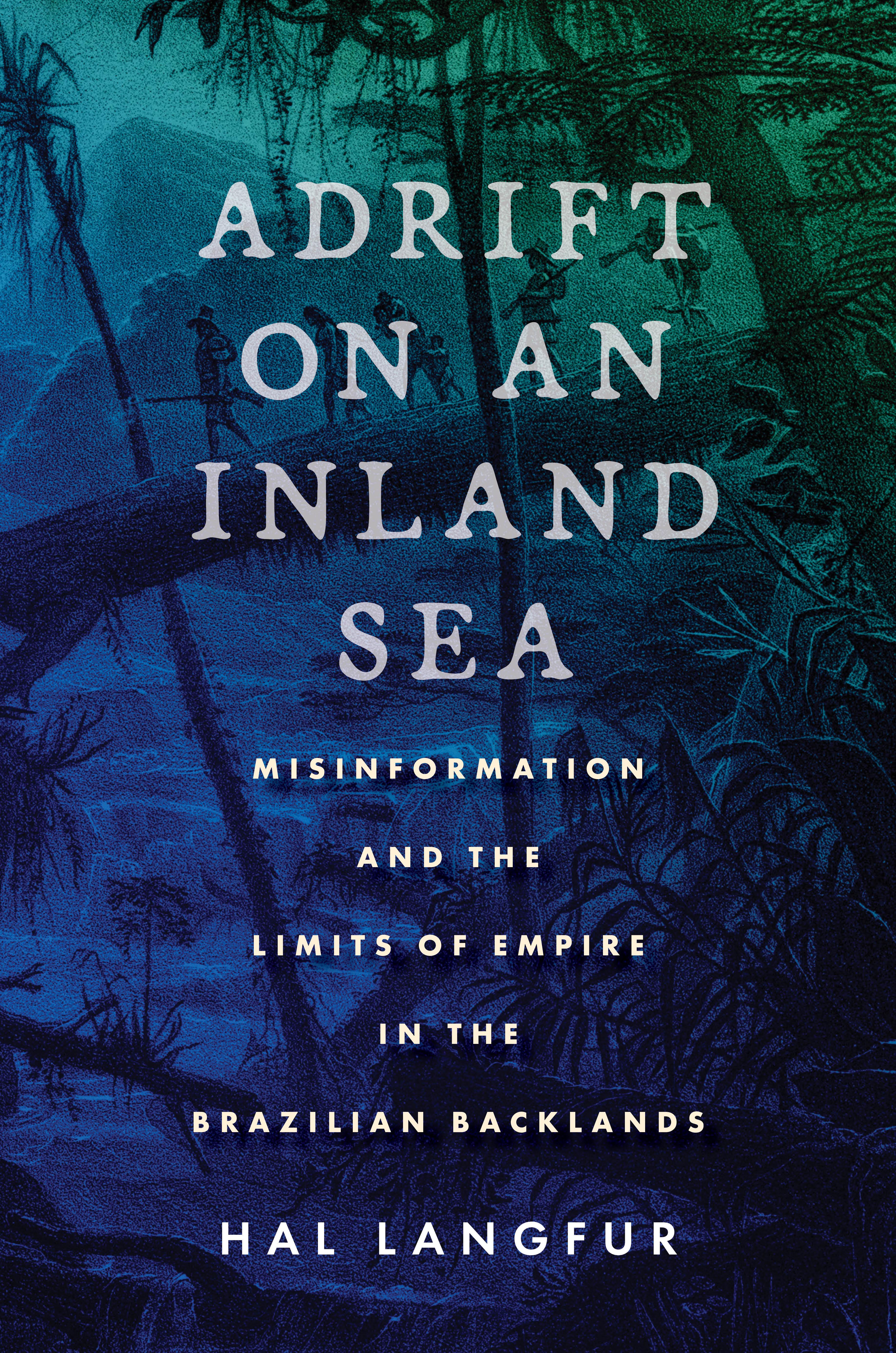
From 1750 until Brazil won its independence in 1822, the Portuguese crown sought to extend imperial control over the colony's immense, sea-like interior and exploit its gold and diamond deposits using enslaved labor. Carrying orders from Lisbon into the Brazilian backlands, elite vassals, soldiers, and scientific experts charged with exploring multiple frontier zones and establishing royal authority conducted themselves in ways that proved difficult for the crown to regulate. The overland expeditions they mounted in turn encountered actors operating beyond the state's purview: seminomadic Native peoples, runaway slaves, itinerant poor, and those deemed criminals, who eluded, defied, and reshaped imperial ambitions.
This book measures Portugal's transatlantic projection of power against a particular obstacle: imperial information-gathering, which produced a confusion of rumors, distortions, claims, conflicting reports, and disputed facts. Drawing on interdisciplinary scholarship in the fields of ethnohistory, slavery and diaspora studies, and legal and literary history, Hal Langfur considers how misinformation destabilized European sovereignty in the Americas, making a major contribution to histories of empire, frontiers and borderlands, knowledge production, and scientific exploration in the eighteenth and nineteenth centuries.
Betaal eenvoudig met kaart, Klarna, Apple Pay of Google Pay. Niet tevreden? Je hebt altijd 14 dagen bedenktijd. Lees meer in onze voorwaarden. Heb je vragen, mail ons dan via hello@memmo.org.
Memmo maakt studeren makkelijker – waar je ook bent ter wereld. Wij brengen je cursusboeken en slimme studietools samen op één plek: samenvattingen, quizzen, podcasts en flashcards. En Ted, je studievriend die antwoord geeft op alles wat je je afvraagt. Meer dan 50.000 studenten studeren hier al – gebouwd om je sneller te laten leren en minder stress te geven.