
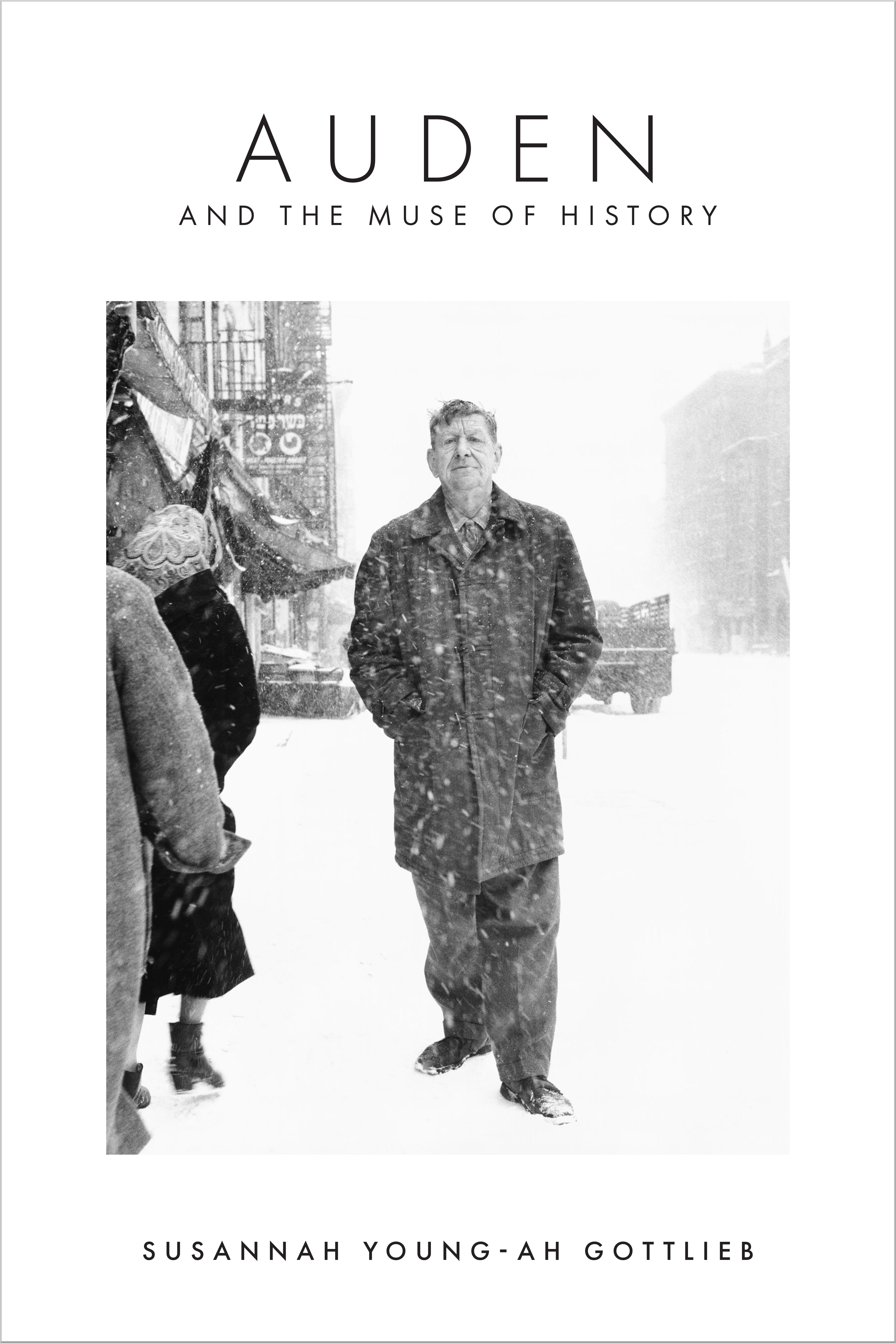
Concentrating on W. H. Auden's work from the late 1930s, when he seeks to understand the poet's responsibility in the face of a triumphant fascism, to the late 1950s, when he discerns an irreconcilable "divorce" between poetry and history in light of industrialized murder, this startling new study reveals the intensity of the poet's struggles with the meanings of history. Through meticulous readings, significant archival findings, and critical reflection, Susannah Young-ah Gottlieb presents a new image and understanding of Auden's achievement and reveals how his version of modernism illuminates urgent contemporary issues and theoretical paradigms: from the meaning of marriage equality to the persistence of fascism; from critical theory to psychoanalysis; from precarity to postcolonial studies. "The muse does not like being forced to choose between Agit-prop and Mallarmé," Auden writes with characteristic lucidity, and this study elucidates the probity, humor, and technical skill with which his responses to historical reality in the mid-twentieth century illuminate our world today.
Betaal eenvoudig met kaart, Klarna, Apple Pay of Google Pay. Niet tevreden? Je hebt altijd 14 dagen bedenktijd. Lees meer in onze voorwaarden. Heb je vragen, mail ons dan via hello@memmo.org.
Memmo maakt studeren makkelijker – waar je ook bent ter wereld. Wij brengen je cursusboeken en slimme studietools samen op één plek: samenvattingen, quizzen, podcasts en flashcards. En Ted, je studievriend die antwoord geeft op alles wat je je afvraagt. Meer dan 50.000 studenten studeren hier al – gebouwd om je sneller te laten leren en minder stress te geven.