
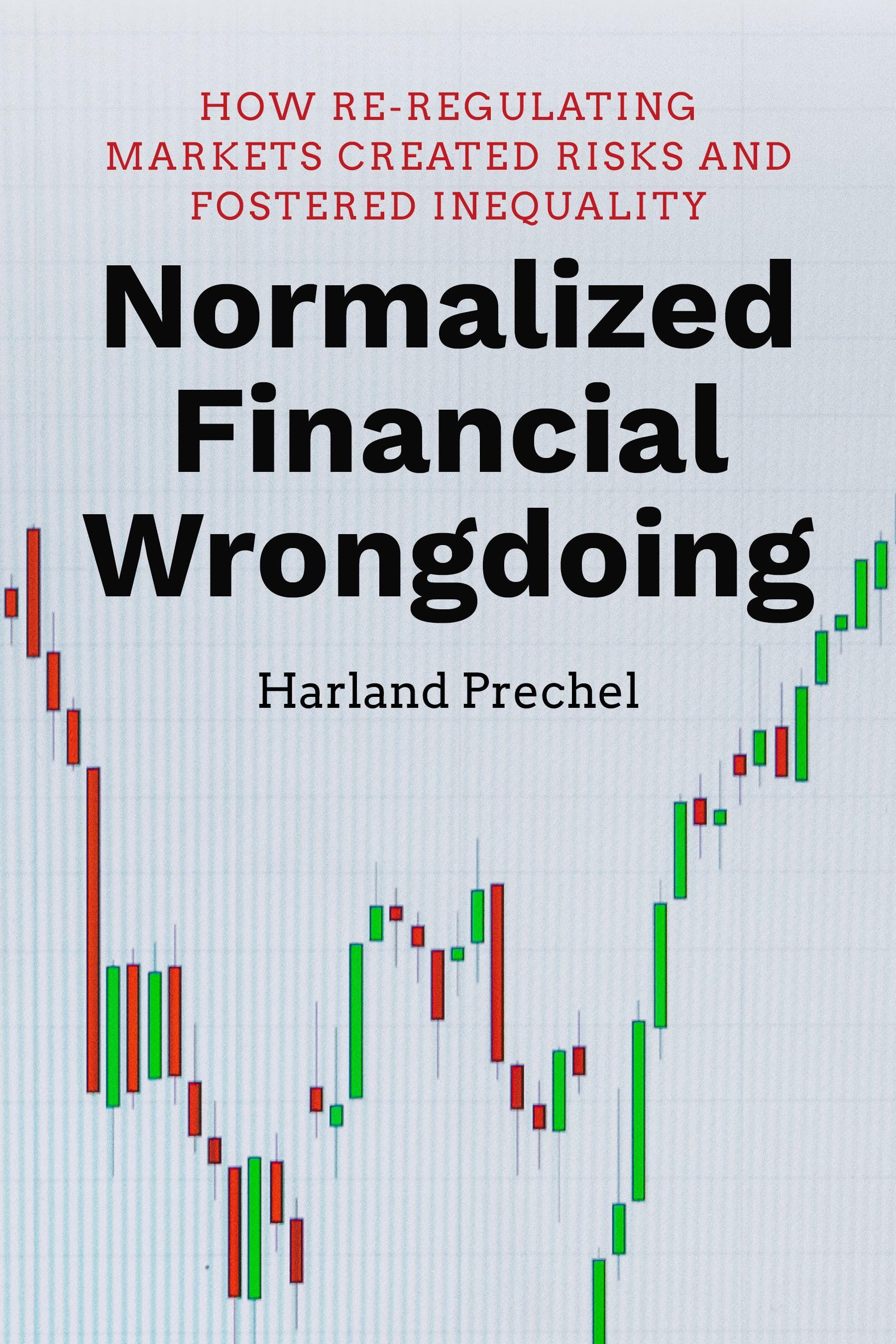
In Normalized Financial Wrongdoing, Harland Prechel examines how social structural arrangements that extended corporate property rights and increased managerial control opened the door for misconduct and, ultimately, the 2008 financial crisis. Beginning his analysis with the financialization of the home-mortgage market in the 1930s, Prechel shows how pervasive these arrangements had become by the end of the century, when the bank and energy sectors developed political strategies to participate in financial markets. His account adopts a multilevel approach that considers the political and legal landscapes in which corporations are embedded to answer two questions: how did banks and financial firms transition from being providers of capital to financial market actors? Second, how did new organizational structures cause market participants to engage in high-risk activities? After careful historical analysis, Prechel examines how organizational and political-legal arrangements contribute to current record-high income and wealth inequality, and considers societal preconditions for change.
Betaal eenvoudig met kaart, Klarna, Apple Pay of Google Pay. Niet tevreden? Je hebt altijd 14 dagen bedenktijd. Lees meer in onze voorwaarden. Heb je vragen, mail ons dan via hello@memmo.org.
Memmo maakt studeren makkelijker – waar je ook bent ter wereld. Wij brengen je cursusboeken en slimme studietools samen op één plek: samenvattingen, quizzen, podcasts en flashcards. En Ted, je studievriend die antwoord geeft op alles wat je je afvraagt. Meer dan 50.000 studenten studeren hier al – gebouwd om je sneller te laten leren en minder stress te geven.