
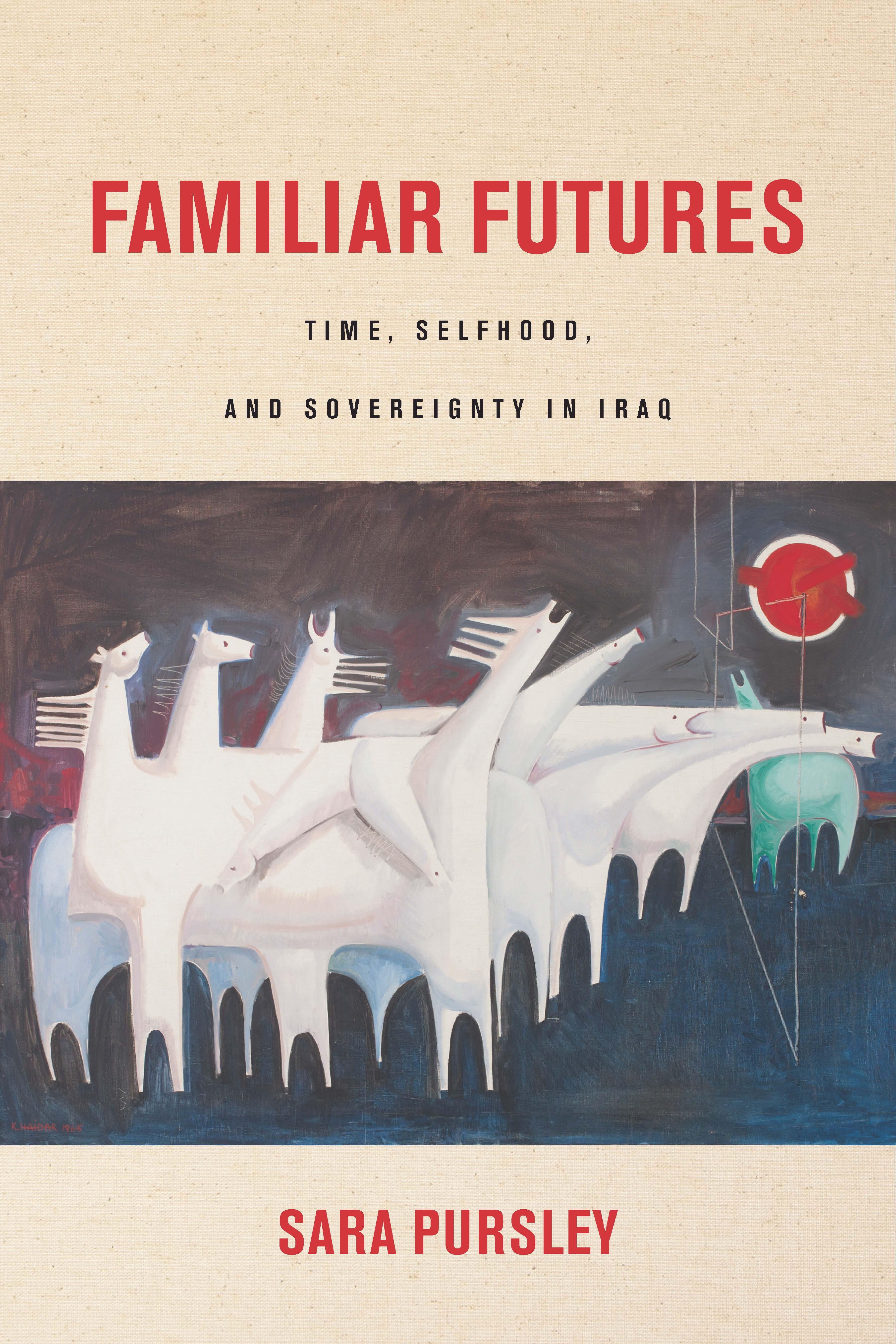
Iraq was the first postcolonial state recognized as legally sovereign by the League of Nations amid the twentieth-century wave of decolonization movements. It also emerged as an early laboratory of development projects designed by Iraqi intellectuals, British colonial officials, American modernization theorists, and postwar international agencies. Familiar Futures considers how such projects—from the country's creation under British mandate rule in 1920 through the 1958 revolution to the first Ba'th coup in 1963—reshaped Iraqi everyday habits, desires, and familial relations in the name of a developed future.
Sara Pursley investigates how Western and Iraqi policymakers promoted changes in schooling, land ownership, and family law to better differentiate Iraq's citizens by class, sex, and age. Peasants were resettled on isolated family farms; rural boys received education limited to training in agricultural skills; girls were required to take home economics courses; and adolescents were educated on the formation of proper families. Future-oriented discourses about the importance of sexual difference to Iraq's modernization worked paradoxically, deferring demands for political change in the present and reproducing existing capitalist relations. Ultimately, the book shows how certain goods—most obviously, democratic ideals—were repeatedly sacrificed in the name of the nation's economic development in an ever-receding future.
Betaal eenvoudig met kaart, Klarna, Apple Pay of Google Pay. Niet tevreden? Je hebt altijd 14 dagen bedenktijd. Lees meer in onze voorwaarden. Heb je vragen, mail ons dan via hello@memmo.org.
Memmo maakt studeren makkelijker – waar je ook bent ter wereld. Wij brengen je cursusboeken en slimme studietools samen op één plek: samenvattingen, quizzen, podcasts en flashcards. En Ted, je studievriend die antwoord geeft op alles wat je je afvraagt. Meer dan 50.000 studenten studeren hier al – gebouwd om je sneller te laten leren en minder stress te geven.