
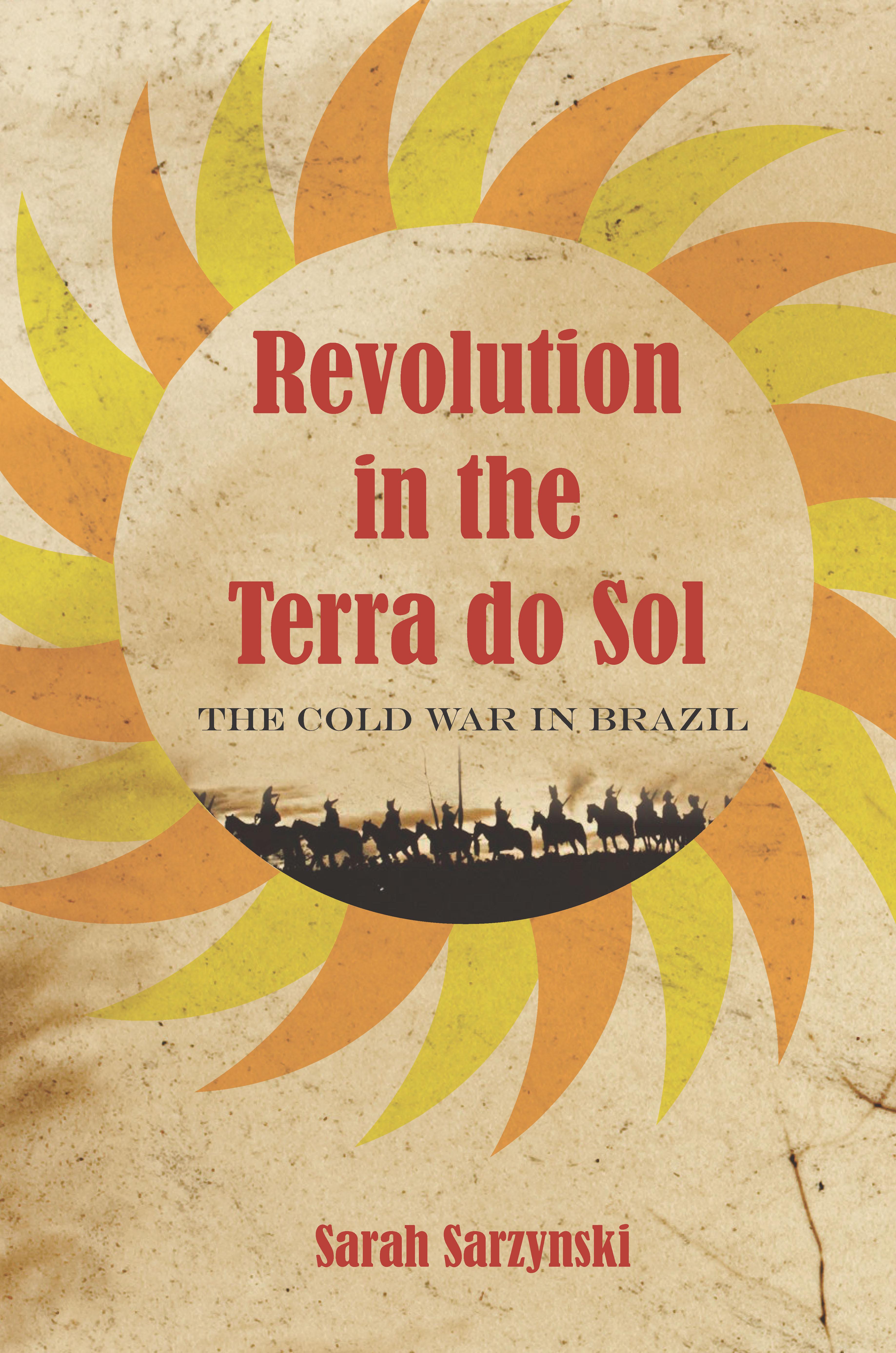
Sarah Sarzynski's cultural history of Cold War–era Brazil examines the influence of revolutionary social movements in Northeastern Brazil during the lead-up to the 1964 coup that would bring the military to power for 21 years. Rural social movements that unfolded in the Northeast beginning in the 1950s inspired Brazilian and international filmmakers, intellectuals, politicians, and journalists to envision a potential social revolution in Brazil. But in the wake of the Cuban Revolution, the strength of rural social movements also raised fears about the threat of communism and hemispheric security.
Turning to sources including Cinema Novo films, biographies, chapbook literature, and materials from U.S. and Brazilian government archives, Sarzynski shows how representations of the Northeast depended on persistent stereotypes depicting the region as backward, impoverished, and violent. By late March 1964, Brazilian Armed Forces faced little resistance when overthrowing democratically elected leaders in part because of the widely held belief that the violence and chaos in the "backward" Northeast threatened the modern Brazilian nation. Sarzynski's cultural history recasts conventional narratives of the Cold War in Brazil, showing how local struggles over land reform and rural workers' rights were part of broader ideological debates over capitalism and communism, Third World independence, and modernization on a global scale.
Betaal eenvoudig met kaart, Klarna, Apple Pay of Google Pay. Niet tevreden? Je hebt altijd 14 dagen bedenktijd. Lees meer in onze voorwaarden. Heb je vragen, mail ons dan via hello@memmo.org.
Memmo maakt studeren makkelijker – waar je ook bent ter wereld. Wij brengen je cursusboeken en slimme studietools samen op één plek: samenvattingen, quizzen, podcasts en flashcards. En Ted, je studievriend die antwoord geeft op alles wat je je afvraagt. Meer dan 50.000 studenten studeren hier al – gebouwd om je sneller te laten leren en minder stress te geven.