
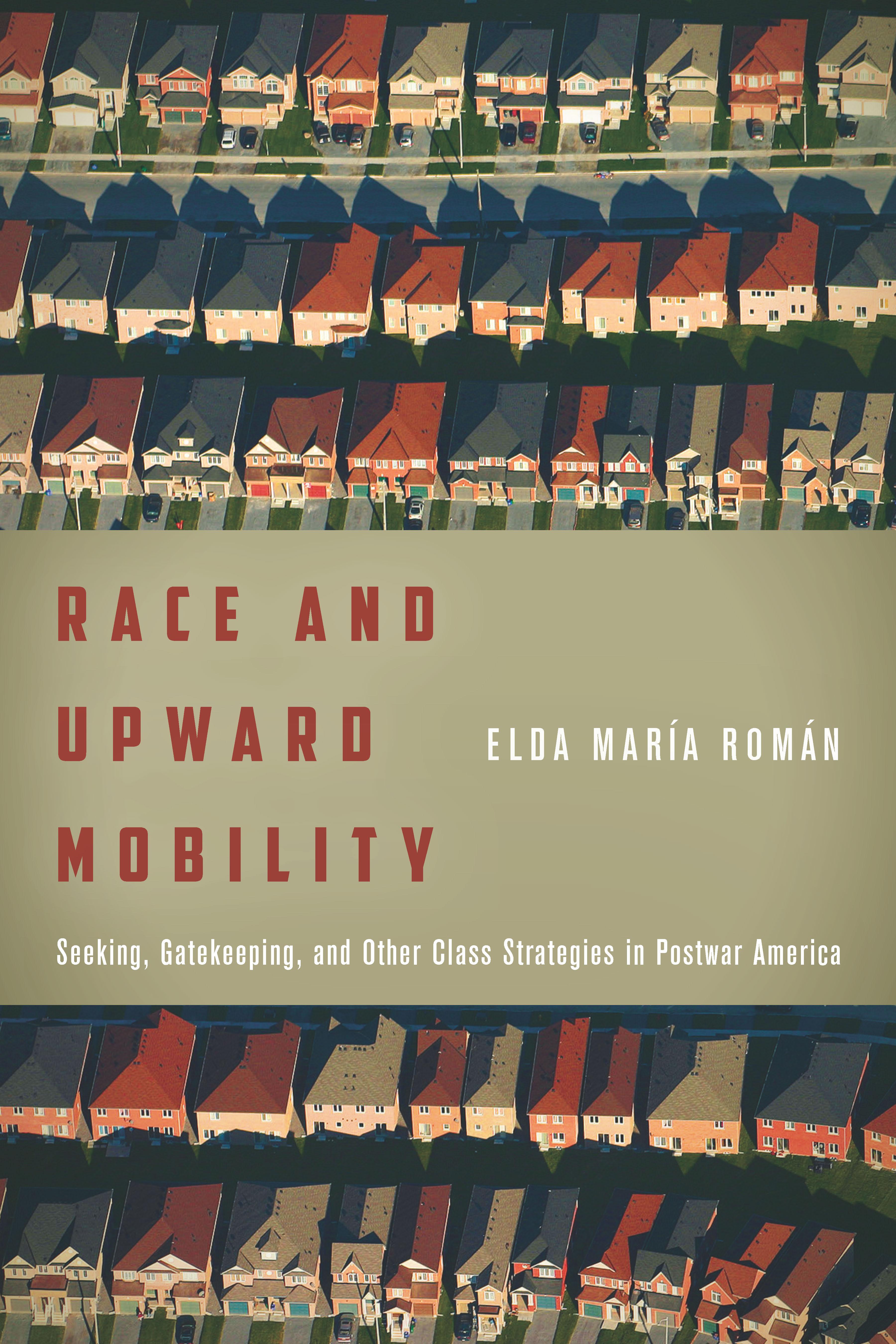
Over the course of the twentieth and twenty-first centuries, Mexican American and African American cultural productions have seen a proliferation of upward mobility narratives: plotlines that describe desires for financial solvency, middle-class status, and social incorporation. Yet the terms "middle class" and "upward mobility"—often associated with assimilation, selling out, or political conservatism—can hold negative connotations in literary and cultural studies. Surveying literature, film, and television from the 1940s to the 2000s, Elda María Román brings forth these narratives, untangling how they present the intertwined effects of capitalism and white supremacy.
Race and Upward Mobility examines how class and ethnicity serve as forms of currency in American literature, affording people of color material and symbolic wages as they traverse class divisions. Identifying four recurring character types—status seekers, conflicted artists, mediators, and gatekeepers—that appear across genres, Román traces how each models a distinct strategy for negotiating race and class. Her comparative analysis sheds light on the overlaps and misalignments, the shared narrative strategies, and the historical trajectories of Mexican American and African American texts, bringing both groups' works into sharper relief. Her study advances both a new approach to ethnic literary studies and a more nuanced understanding of the class-based complexities of racial identity.
Betaal eenvoudig met kaart, Klarna, Apple Pay of Google Pay. Niet tevreden? Je hebt altijd 14 dagen bedenktijd. Lees meer in onze voorwaarden. Heb je vragen, mail ons dan via hello@memmo.org.
Memmo maakt studeren makkelijker – waar je ook bent ter wereld. Wij brengen je cursusboeken en slimme studietools samen op één plek: samenvattingen, quizzen, podcasts en flashcards. En Ted, je studievriend die antwoord geeft op alles wat je je afvraagt. Meer dan 50.000 studenten studeren hier al – gebouwd om je sneller te laten leren en minder stress te geven.