
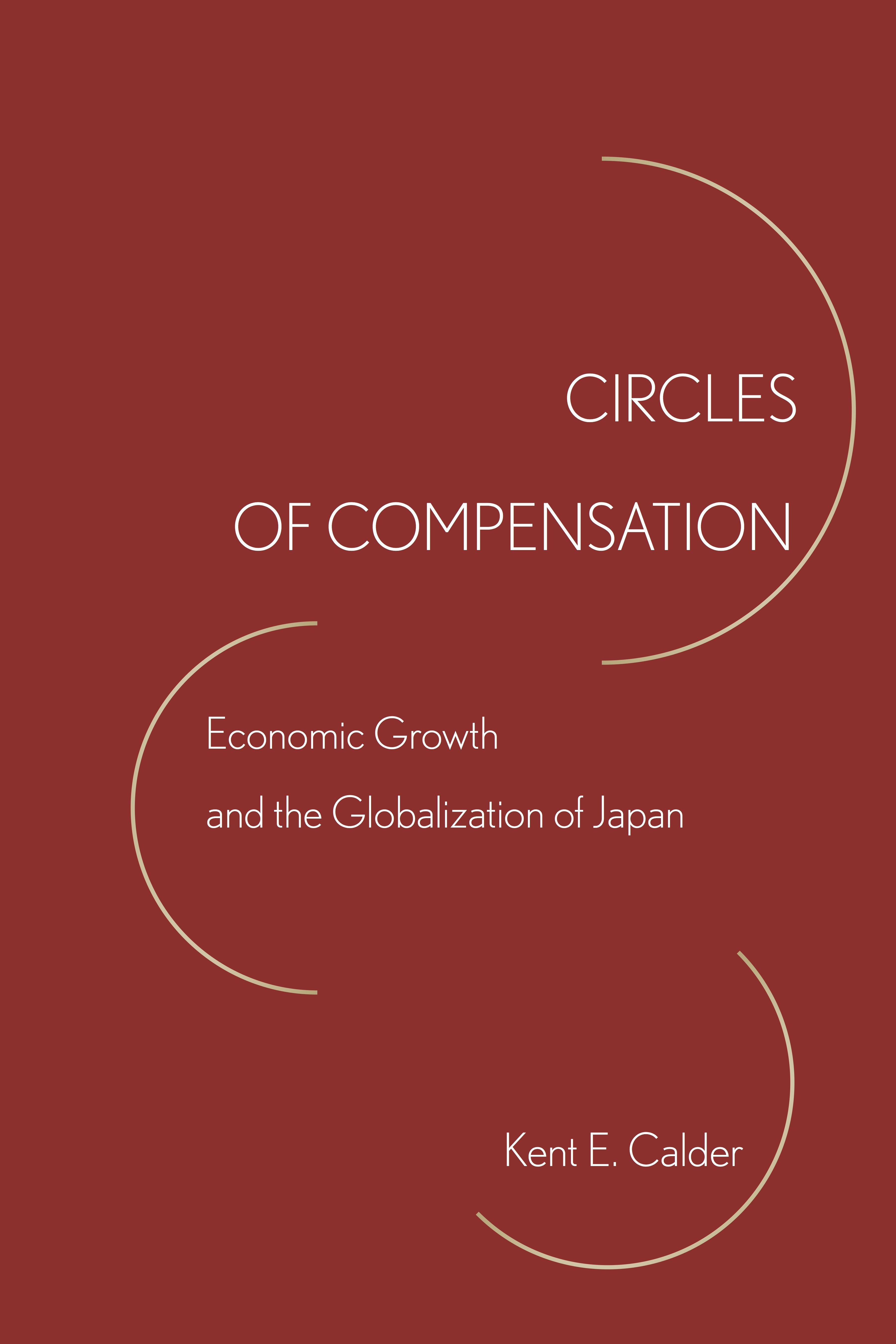
Japan grew explosively and consistently for more than a century, from the Meiji Restoration until the collapse of the economic bubble in the early 1990s. Since then, it has been unable to restart its economic engine and respond to globalization. How could the same political–economic system produce such strongly contrasting outcomes?
This book identifies the crucial variables as classic Japanese forms of socio-political organization: the "circles of compensation." These cooperative groupings of economic, political, and bureaucratic interests dictate corporate and individual responses to such critical issues as investment and innovation; at the micro level, they explain why individuals can be decidedly cautious on their own, yet prone to risk-taking as a collective. Kent E. Calder examines how these circles operate in seven concrete areas, from food supply to consumer electronics, and deals in special detail with the influence of Japan's changing financial system. The result is a comprehensive overview of Japan's circles of compensation as they stand today, and a road map for broadening them in the future.
Betaal eenvoudig met kaart, Klarna, Apple Pay of Google Pay. Niet tevreden? Je hebt altijd 14 dagen bedenktijd. Lees meer in onze voorwaarden. Heb je vragen, mail ons dan via hello@memmo.org.
Memmo maakt studeren makkelijker – waar je ook bent ter wereld. Wij brengen je cursusboeken en slimme studietools samen op één plek: samenvattingen, quizzen, podcasts en flashcards. En Ted, je studievriend die antwoord geeft op alles wat je je afvraagt. Meer dan 50.000 studenten studeren hier al – gebouwd om je sneller te laten leren en minder stress te geven.