
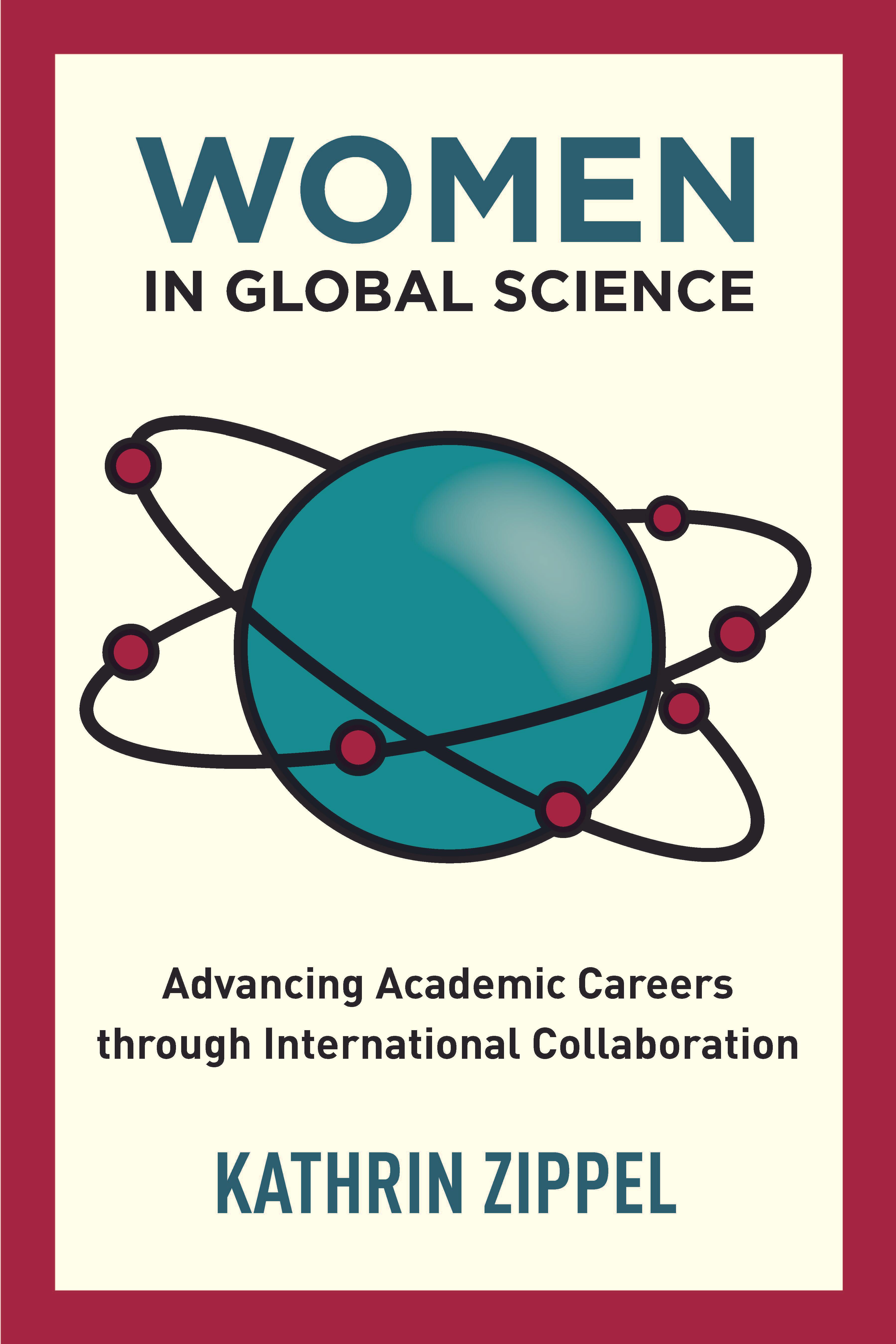
Scientific and engineering research is increasingly global, and international collaboration can be essential to academic success. Yet even as administrators and policymakers extol the benefits of global science, few recognize the diversity of international research collaborations and their participants, or take gendered inequalities into account. Women in Global Science is the first book to consider systematically the challenges and opportunities that the globalization of scientific work brings to U.S. academics, especially for women faculty.
Kathrin Zippel looks to the STEM fields as a case study, where gendered cultures and structures in academia have contributed to an underrepresentation of women. While some have approached underrepresentation as a national concern with a national solution, Zippel highlights how gender relations are reconfigured in global academia. For U.S. women in particular, international collaboration offers opportunities to step outside of exclusionary networks at home. International collaboration is not the panacea to gendered inequalities in academia, but, as Zippel argues, international considerations can be key to ending the steady attrition of women in STEM fields and developing a more inclusive academic world.
Betaal eenvoudig met kaart, Klarna, Apple Pay of Google Pay. Niet tevreden? Je hebt altijd 14 dagen bedenktijd. Lees meer in onze voorwaarden. Heb je vragen, mail ons dan via hello@memmo.org.
Memmo maakt studeren makkelijker – waar je ook bent ter wereld. Wij brengen je cursusboeken en slimme studietools samen op één plek: samenvattingen, quizzen, podcasts en flashcards. En Ted, je studievriend die antwoord geeft op alles wat je je afvraagt. Meer dan 50.000 studenten studeren hier al – gebouwd om je sneller te laten leren en minder stress te geven.