
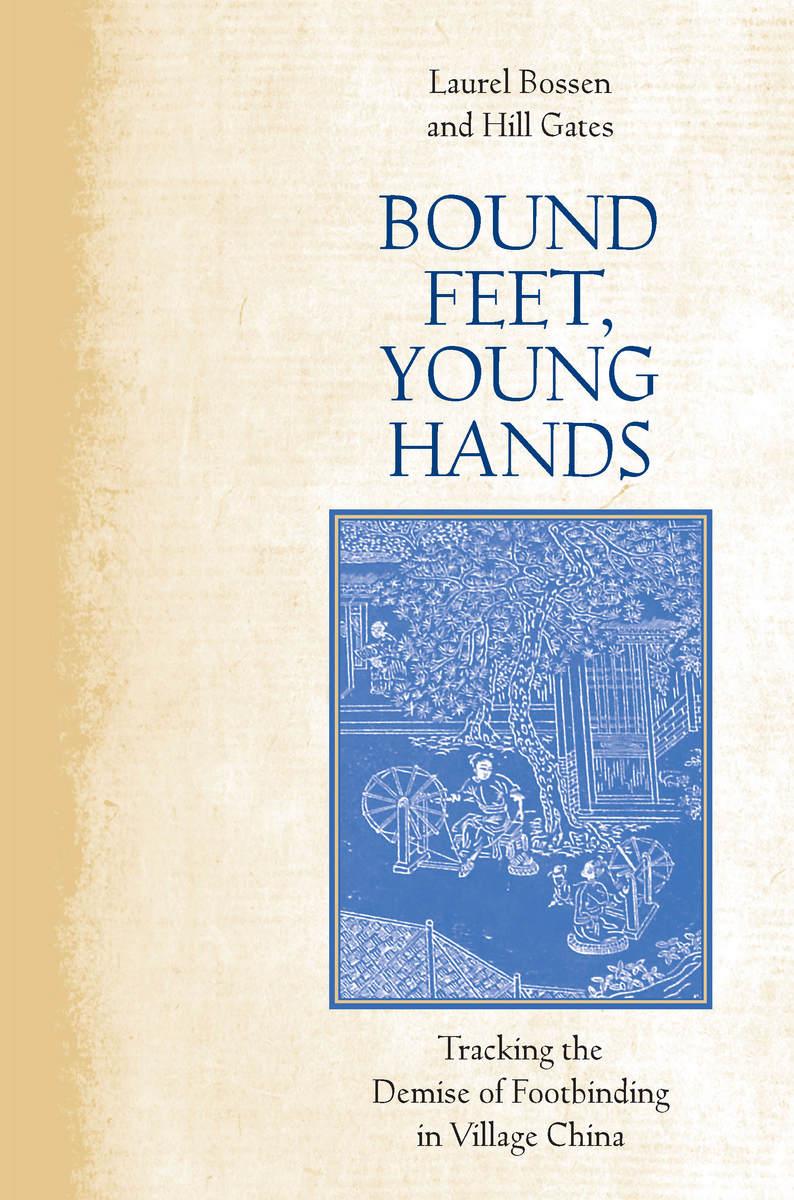
Footbinding was common in China until the early twentieth century, when most Chinese were family farmers. Why did these families bind young girls' feet? And why did footbinding stop? In this groundbreaking work, Laurel Bossen and Hill Gates upend the popular view of footbinding as a status, or even sexual, symbol by showing that it was an undeniably effective way to get even very young girls to sit still and work with their hands.
Interviews with 1,800 elderly women, many with bound feet, reveal the reality of girls' hand labor across the North China Plain, Northwest China, and Southwest China. As binding reshaped their feet, mothers disciplined girls to spin, weave, and do other handwork because many village families depended on selling such goods. When factories eliminated the economic value of handwork, footbinding died out. As the last generation of footbound women passes away, Bound Feet, Young Hands presents a data-driven examination of the social and economic aspects of this misunderstood custom.
Betaal eenvoudig met kaart, Klarna, Apple Pay of Google Pay. Niet tevreden? Je hebt altijd 14 dagen bedenktijd. Lees meer in onze voorwaarden. Heb je vragen, mail ons dan via hello@memmo.org.
Memmo maakt studeren makkelijker – waar je ook bent ter wereld. Wij brengen je cursusboeken en slimme studietools samen op één plek: samenvattingen, quizzen, podcasts en flashcards. En Ted, je studievriend die antwoord geeft op alles wat je je afvraagt. Meer dan 50.000 studenten studeren hier al – gebouwd om je sneller te laten leren en minder stress te geven.